



Application of Food-grade Organic Acid Salt for Baking Food Preservation
Products such as soft European bread, cream cakes, Chinese pastries, and mooncakes manufactured by bakery and pastry processing plants commonly face core challenges including high moisture activity, susceptibility to mold and yeast growth, short shelf life, rapid degradation of preservatives after high-temperature baking, and flavor susceptibility to additives. These products must comply with global food safety standards including China's GB 2760, the EU EFSA, and the US FDA. Among the four mainstream products in the baking preservation sector, the following two core products are compatible with all categories of baking production, demonstrating stable performance and strong regulatory compliance. Details are as follows:
1. Food-grade sodium diacetate (main content ≥99%, compliant with GB 2760, FDA, and EU EFSA standards)
Core Function: A broad-spectrum preservative and freshness-keeping core ingredient for baked goods, it effectively inhibits key spoilage-causing microorganisms such as Rhizopus, Mucor, Penicillium, and yeast that lead to mold growth in bread and rancidity in pastries. It is highly effective against the most common mold issues in baked goods, suitable for all product categories including soft bread, hand-torn bread, cream cakes, and mooncakes. Additionally, it provides pH buffering, delays starch retrogradation, and enhances product softness without compromising the original flavor of baked goods.
Product Advantages: Broad-spectrum antibacterial activity, maintaining stable efficacy in weakly acidic to neutral systems with superior performance compared to traditional sodium benzoate; Excellent heat resistance, retaining over 90% preservative activity after baking at 180-220°C without thermal degradation; Compliance with global food safety standards, non-toxic, residue-free, odorless, and preserving the natural aroma of wheat and milk; Capable of delaying starch retrogradation, extending softness and freshness, and reducing product shrinkage and residue; Excellent cost-performance ratio, suitable for large-scale industrial production.
Usage instructions: For bread dough, add 0.1%-0.3% of the total flour mass as a premix with dry ingredients before mixing. For pastry wrappers, incorporate 0.15%-0.25% of the total flour mass during kneading. For fillings cooled below 60°C, add 0.2%-0.4% of the total mass. For cream cakes, use 0.05%-0.15% of the total batter mass, premix with powdered sugar, and whip at low temperature before use.
Common Issues: Highly hygroscopic, requires sealed and dry storage to prevent moisture absorption and clumping; excessive addition may result in a slightly acidic taste in low-sugar products, necessitating strict dosage control; mixing with excessive strong alkaline additives may reduce antibacterial efficacy, requiring adjustment of system pH to the optimal range of 5.0-6.5.
2. Food-grade anhydrous sodium acetate (main content ≥99%, compliant with GB 2760 and Codex Alimentarius CAC standards)
Core Function: A specialized preservative and buffering additive for baked goods, suitable for preserving fermented bread, low-sugar and low-fat pastries, and mooncake fillings. It enhances antibacterial effects by stabilizing the system's pH, assists in inhibiting the proliferation of mold and yeast, while improving water retention and crumbiness. Additionally, it delays starch retrogradation and hardening. When synergized with sodium diacetate, it significantly reduces the dosage of individual additives while enhancing preservative efficacy.
Product Advantages: Excellent pH buffering capacity stabilizes system acidity/alkalinity, creating optimal conditions for preservative efficacy while remaining unaffected by pH fluctuations during fermentation. Resistant to fermentation and high temperatures, it resists yeast decomposition and is compatible with the entire fermentation-baking process. Free from off-flavors and bitterness, it preserves product flavor and enhances palatability in low-sugar products. Compliant with global food safety standards, it is non-toxic and residue-free. Additionally, its water-retaining and fluffy properties improve product yield.
Usage: Fermented bread should be pre-mixed with dry ingredients at a ratio of 0.05%-0.2% of the total flour mass for dough preparation. The filling and pastry sauce should be added at 0.1%-0.3% of the total mass when the temperature is reduced below 70°C. It can be combined with sodium diacetate in a 1:2 ratio to synergistically enhance preservative effects.
Common issues: Highly hygroscopic, requires strict sealed and dry storage to prevent caking; excessive addition may result in a slightly alkaline taste, necessitating precise dosage control; unsuitable for strongly acidic formulation systems, as it may lose buffering efficacy.
3.Industry Use Cases
A major chain bakery specializing in soft bread, cream cakes, and Chinese pastries previously faced challenges with product shelf life: 3-7 days at room temperature and merely 15 days under cold chain storage, resulting in a 6%+ return rate. By implementing a preservative solution combining sodium diacetate and anhydrous sodium acetate, the company optimized the formulation process. This breakthrough extended the product's sealed shelf life to 45 days at room temperature and 90 days under cold chain storage, achieving zero detection of harmful microorganisms. The softness retention period for bread tripled, reducing the return rate to 0.8%. With significantly expanded distribution reach and successful export compliance with local food safety standards, the bakery saw its annual sales surge by 32%.

USER EVALUATE
Here is the customer's evaluation of us
YOU MAY LIKE
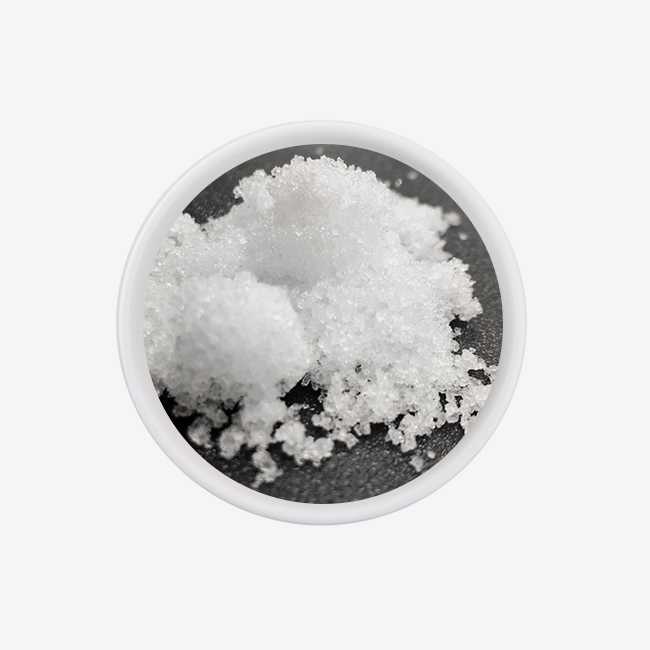 VIEW MOREPastry Sodium Acetate Trihydrate
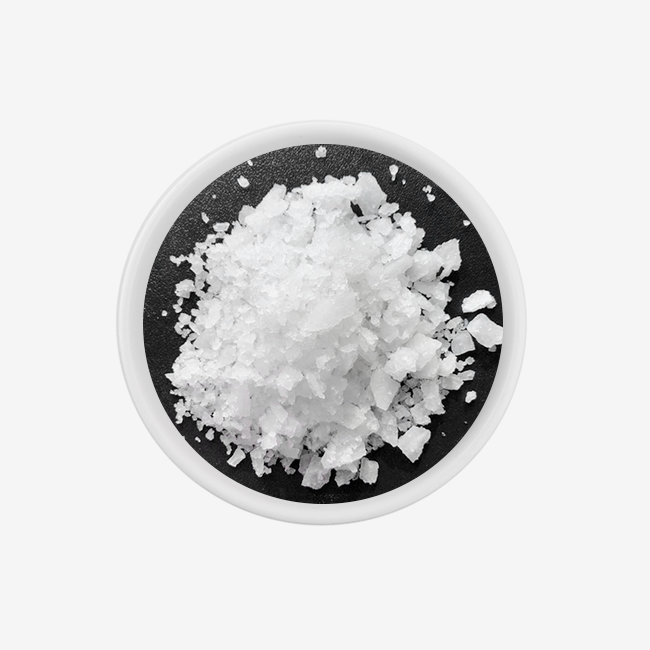 VIEW MOREDeicing Solid Potassium Formate
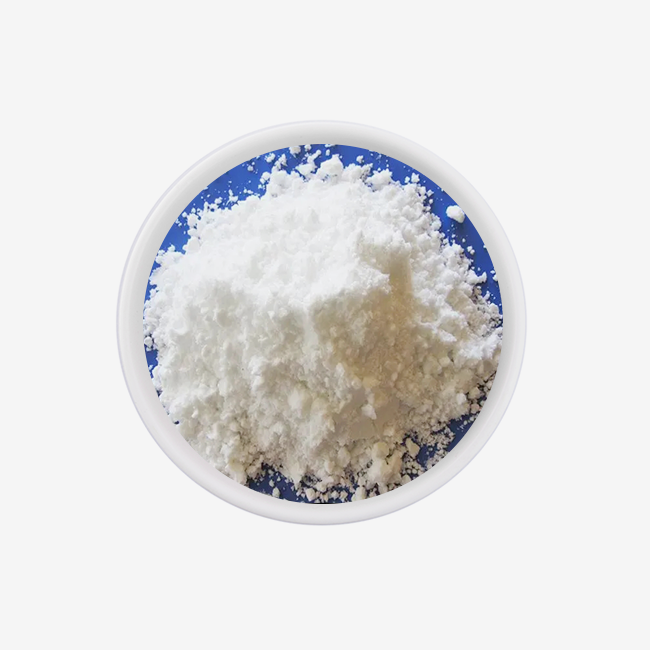 VIEW MORELeather Solid Sodium Formate
 VIEW MOREFabric Fixing Solid Sodium Formate
 VIEW MOREAgricultural Liquid Potassium Acetate
 VIEW MOREDrilling Solid Potassium Acetate
 VIEW MOREAirport Runway Solid Potassium Acetate
 VIEW MORECarbon Source Sodium Acetate Trihydrate