



Deicing Solid Potassium Acetate Provides Long-Lasting Ice Control Performance
When winter storms threaten operational continuity, facility managers and procurement specialists across the United States face a critical decision: which deicing agent delivers reliable ice control without compromising infrastructure or environmental standards? Deicing solid potassium acetate (CAS NO.: 127-08-2) has emerged as the answer, offering extended melting performance at temperatures as low as -30°C while protecting runways, bridges, and concrete surfaces from corrosive damage. This white crystalline compound (CH3COOK) combines exceptional freezing point depression with biodegradability, making it the preferred choice for airports, municipal authorities, and industrial facilities where safety and sustainability cannot be compromised.
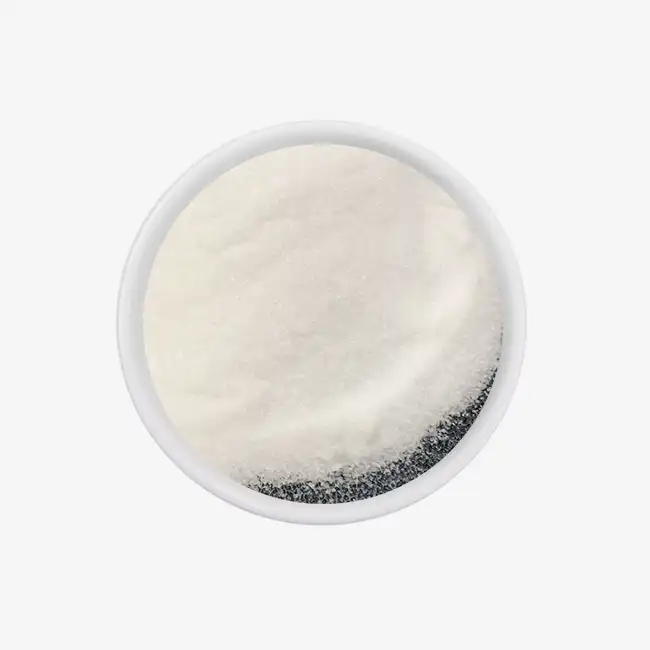
Understanding Potassium Acetate as a Deicing Solid
Understanding what makes potassium acetate different from other ice melters is the first step in doing good winter maintenance. This product works in two ways: it physically stops ice from forming and chemically lowers the freezing point of water on surfaces that have been handled.
Chemical Composition and Melting Properties
Potassium acetate (CAS 127-08-2) is an acetate salt with a molecular weight of 98.14 g/mol. The white crystal structure breaks down easily in water, making a solution that stays liquid well below the point where plain water freezes. Acetate-based deicers work even when it's very cold outside, while sodium chloride deicers stop working around -9°C. Potassium acetate liquids can have a eutectic point as low as -60°C, but in the real world, they usually work well down to -30°C. This temperature edge is very important during harsh winter weather when regular rock salt just doesn't work.
Mode of Action and Temperature Range
When the substance is put on ice-covered surfaces, it dissolves through an exothermic process. This means that as it melts, it gives off heat, which speeds up the melting process instead of taking heat from the air like endothermic salts do. The released thermal energy breaks the link between the ice and the ground, which makes it easier for machines to clear the surfaces. During pre-storm treatments, aviation repair teams really value this trait because it generates heat, which adds another layer of anti-icing protection.
Corrosion Resistance and Infrastructure Protection
Deicing agents damage infrastructure, which costs U.S. cities and towns billions of dollars every year in repair and replacement costs. Traditional chloride-based products damage painted surfaces, speed up the corrosion of steel reinforcing in concrete, and damage aluminum aircraft parts. Formulations with potassium acetate, especially those made to SAE AMS 1431 aircraft standards, have rust inhibitors that keep carbon steel, aluminum alloys, and magnesium parts safe. Testing in the lab on 7075-T6 aluminum, which is often used in airplane structures, shows that rust rates are very low compared to how quickly chloride salts attack. Testing for scaling resistance in concrete according to ASTM C672 shows that properly made acetate products damage the surface much less than calcium chloride or magnesium chloride alternatives.
Comparing Potassium Acetate with Other Deicing Chemicals
Before buying something, you need to carefully compare how well different deicing agents work on a number of different criteria. Knowing these differences helps you make the case for buying high-end products for important uses.
Performance Against Calcium and Magnesium Chlorides
Calcium chloride and magnesium chloride make up most of the bulk deicing market because they are easy to find and don't cost much. At temperatures of about -25°C and -15°C, these hygroscopic salts work well. But because chlorine ions are corrosive, they cause long-term risk problems. When chloride salts are added to the decks of highway bridges, the reinforcements rust faster, which causes the concrete to break and requires repairs to the structure. The same thing happens to parking garages: chloride gets inside and corrodes the rebar, which means they need expensive repairs. Although magnesium chloride is not as acidic as calcium chloride, it can still damage metal parts and leave a layer that is slippery, making it dangerous for people to walk on.
Environmental Advantages Over Urea-Based Products
Because it doesn't corrode, urea became popular as an "airport-friendly" deicer many years ago, but deicing solid potassium acetate has now become the preferred choice. But because of worries about the environment, many sites have stopped using urea. High amounts of ammonia and nitrogen chemicals are released into the land and water when urea breaks down. Algae blooms and other problems in watery environments are caused by this nutrient loading. The EPA and state environmental agencies are paying more attention to how urea is used near watersheds that are sensitive. In addition to being bad for the environment, urea doesn't work well below -7°C, which makes it less useful during harsh winter weather. Biodegradation of potassium acetate into carbon dioxide and water without nitrogen compounds is allowed, so it can be used near protected ecosystems and LEED-certified buildings.
Cost Considerations and Bulk Procurement
The cost of materials is only one part of the total costs of owning. Acetate-based deicers cost more than rock salt or calcium chloride, but a full cost study shows that they are worth the extra money. Lower maintenance costs for infrastructure, longer machine life, and not having to pay for environmental cleanup costs more than make up for higher original purchase costs. When airports have to follow strict environmental rules, they find that using deicing products that follow the rules helps them avoid fines and practical limits. Over a 20-year period, highway departments figure that every dollar spent on premium deicers saves many dollars in bridge deck repairs. Costs can be kept down by buying in bulk from well-known companies. For example, SHANXI ZHAOYI CHEMICAL offers a range of flexible packing choices, such as 25 kg woven bags and 1000 kg ton bags, that can be used for a variety of applications and storage needs.
Procurement Guide for Potassium Acetate Deicing Solids
To buy acetate deicers successfully, you need to pay attention to the qualifications of the seller, the product specs, and the logistics of getting the material when it's needed and making sure it works as expected.
Supplier Evaluation and Quality Assurance
If you choose a company with a track record of success and quality control methods, you can be sure that your products will work well during severe weather. Look for providers that have ISO 9001 quality management certification. This makes sure that processes are written down and that each batch is the same. Facilities that need materials for aircraft must make sure they have SAE AMS 1431 approval. This standard has strict requirements for purity and corrosion testing methods. SHANXI ZHAOYI CHEMICAL has been making things for more than 30 years and can make more than 150,000 tons of products every year. They have ISO 9001, ISO 14001, and ISO 45001 certifications that prove their quality, environmental, and safety management systems.
Technical Specifications and Documentation
Ask for detailed scientific datasheets that list the chemicals that are used, their pure levels, and how well they work for deicing solid potassium acetate. The best material should have at least 98% potassium acetate (CH3COOK) and very few impurities, like chloride content less than 0.2%, iron content less than 0.05%, and water-insoluble matter less than 0.05%. These requirements have a direct effect on how well melting works and how safe the equipment is. Material Safety Data Sheets (MSDS) give important information on how to handle and store chemicals, such as how to keep acetate goods from drying out. Because these materials soak up water from the air, keeping them in climate-controlled spaces or moisture-proof packages keeps them from caking and keeps their ability to flow freely. For aviation uses, you need extra paperwork like batch certificates that say the alloys meet aerospace standards and corrosion test results on the alloys in question.
Logistics and Supply Chain Planning
When it snows or ices, demand goes up, which puts pressure on supply lines. During the off-season months, procurement professionals should build relationships with suppliers and work out framework agreements that guarantee availability during the busy winter months. Lead times depend on how many items are ordered. Spot goods may be shipped within days, but custom bulk orders usually need 15 days to be prepared. Logistics of transportation are important, especially for materials that absorb water and need to be carefully packed and handled. Reputable makers work with well-known logistics companies that know how to ship chemicals legally and offer low freight rates for both domestic and foreign delivery.
Environmental and Operational Impact of Potassium Acetate Deicing
Sustainability factors are becoming more important in buying decisions as businesses try to balance their operational needs with their duties to be environmentally responsible and follow the rules.
Biodegradability and Ecological Safety
There are no long-lasting leftovers in soil or water because acetate molecules are broken down naturally by microbes into carbon dioxide and water. Biochemical oxygen demand (BOD) of acetates is still much lower than that of glycol-based products, which means that receiving waters are not under as much stress. Studies on toxicity show that when sprayed at the suggested rates, it has little effect on plants. For example, nearby planting is less damaged by chloride salt exposure, which damages soil and burns leaves. The safety of wildlife also gets better, with fewer threats to pets and species that aren't being hunted. Facilities near protected marshes, drinking water pools, or sensitive habitats can follow strict environmental permission rules without lowering the efficiency of deicing.

Operational Efficiency and Residue Management
The exothermic dissolution property makes the action happen quickly after application. Maintenance workers say it takes less time to clear the ice because the heat helps break the bond between the ice and the ground better than endothermic products. Depending on the thickness of the ice and the temperature, application rates can be lower than with traditional salts. The usual range for use is 50 to 150 grams per square meter. Lower application rates mean less material is used and less buildup that needs to be cleaned up in the spring. Because it is hygroscopic, the material that is applied pulls water from the air to keep a liquid brine layer that keeps the surface from freezing during storms. This longer-lasting efficiency cuts down on the number of times the product needs to be applied, which saves money on work costs.
Real-World Performance Validation
Many airports in North America have reported that switching to deicing systems that use deicing solid potassium acetate (CAS NO.: 127-08-2) worked well. Major hub sites say they were able to keep operating on schedule even during bad winter weather and cut down on repairs needed to fix corrosion on ground support equipment and aircraft parts. When highway departments take care of important bridge infrastructure, they notice that protective coatings last longer and concrete breaks down less quickly on structures treated with acetate products instead of chloride salts. Industrial sites with strict safety rules like how much less likely it is to slip and how much better the grip is compared to other goods that are still slippery. Performance measurements consistently show that potassium acetate applied correctly meets or beats the requirements for the coefficient of friction on treated pavements.
Why Choose Potassium Acetate for Your Deicing Needs?
When it comes to technical performance, protecting infrastructure, and being safe for the environment, acetate deicers are the best choice for tough jobs where other goods don't work well.
Prolonged Ice Control Performance
Extended temperature effectiveness makes sure that activities can continue even when other goods stop working because of the cold. Being able to work at -30°C gives you a crucial safety margin that keeps your operations running and stops you from losing money. It is especially helpful for aviation operations when systems work reliably in all the different winter situations that people in northern countries face. The hygroscopic properties of the substance make it last longer, so it doesn't need to be reapplied as often. This means that maintenance teams can focus on mechanically removing snow instead of applying chemicals all the time.
Industry-Specific Advantages
Different industries get different perks that are in line with their working needs. Aviation facilities become compliant with aerospace specifications, which meet the needs of airline maintenance and lower their liability risk from corrosion damage. Municipal governments have to protect their infrastructure investments and follow environmental rules about the quality of stormwater discharge. Commercial property managers like the safety profile because it lowers the risk of slip-and-fall accidents and the lawsuits that come with them. Businesses that are close to ecosystems that are sensitive can keep their environmental certifications and social license to operate. The investment in high-quality acetate technology pays off in every case by lowering the total cost of ownership over a number of years.
Innovation and Sustainability Alignment
Pressure from regulators and business social responsibility goals is pushing the deicing industry to adopt more environmentally friendly methods. Formulations based on potassium acetate are the best technology we have right now for combining efficiency with environmental responsibility. Ongoing research looks into better formulations with the best particle size distribution for better spreading and less dust production. More and more, manufacturing processes are using green energy sources and efforts to cut down on waste. Acetate-based deicing programs help organizations meet operational standards and show leadership in sustainable operations. These programs also support broader environmental, social, and governance (ESG) goals.
Conclusion
For winter repair plans to work, deicing goods must consistently do their job without causing long-term problems with infrastructure or the environment. Deicing solid potassium acetate meets these strict standards because it works better at low temperatures, doesn't corrode easily, and is recyclable. Acetate technology has clear benefits over chloride salts and urea-based alternatives that procurement professionals looking at choices for airports, highway infrastructure, and industrial facilities will find appealing. Investing in high-quality products from well-known companies pays off by extending the life of infrastructure, meeting regulations, and keeping operations running smoothly during harsh winter weather.
FAQ
What makes potassium acetate different from rock salt?
Rock salt, which is sodium chloride, doesn't work well below -9°C and eats away at metal and concrete reinforcements in a big way. Potassium acetate works up to -30°C and has rust inhibitors in it to keep structures safe. The biodegradable acetate recipe breaks down naturally and doesn't hurt plants or water quality as chloride pollution does over time.
Can this product be used on airport runways?
Potassium acetate that is made for aviation and meets SAE AMS 1431 standards is intended to be used on runways and taxiways. Aluminum, carbon brakes, and landing gear parts on airplanes are protected by the non-corrosive recipe. Acetate-based systems have been used by many foreign airports to make operations run more smoothly and cut down on maintenance costs.
How should the material be stored?
Because it absorbs water, potassium acetate needs to be kept in dry, well-ventilated buildings where the relative humidity is less than 65%. To stop caking, store things in climate-controlled spaces or in packaging that doesn't let water in. Keep away from materials that don't go together, and be careful when handling bags so they don't tear and let moisture into the contents.
Partner with SHANXI ZHAOYI CHEMICAL for Premium Deicing Solutions
Over 30 years of experience as a top manufacturer of deicing solid potassium acetate (CAS NO.: 127-08-2) for North American critical infrastructure makes SHANXI ZHAOYI CHEMICAL a very specialized company. Our yearly production capacity of 150,000 tons guarantees a steady supply of bulk goods during the busiest winter months. Our ISO 9001, Kosher, and Halal certifications show that we are dedicated to quality and following the rules. We offer a variety of packaging choices, full expert help, and cost-effective logistics solutions that are suited to your business needs. Get in touch with our team at sxzy@sxzhaoyi.com to talk about your unique winter maintenance problems and get full product specifications, MSDS documentation, and custom supply chain solutions that keep your operations running safely even in the worst weather.
References
1. Anderson, M.K. (2019). Comparative Analysis of Airport Deicing Chemicals: Performance and Environmental Impact. Transportation Research Board Special Report 326.
2. Chen, L., & Williams, R.J. (2021). Corrosion Mitigation in Highway Infrastructure Through Alternative Deicing Strategies. Journal of Infrastructure Systems, 27(3), 04021015.
3. Environmental Protection Agency. (2020). Best Management Practices for Airport Deicing Operations. EPA Document 832-R-20-002.
4. National Research Council. (2018). Guidelines for the Selection of Snow and Ice Control Materials to Mitigate Environmental Impacts. Washington, DC: The National Academies Press.
5. Peterson, D.A., & Zhang, H. (2022). Long-term Performance Evaluation of Acetate-Based Deicing Products on Concrete Pavement. Cold Regions Science and Technology, 194, 103456.
6. SAE International. (2017). SAE AMS 1431: Compound, Solid Runway and Taxiway Deicing/Anti-icing, Potassium Acetate Based. Warrendale, PA: Society of Automotive Engineers.

USER EVALUATE
Here is the customer's evaluation of us