



Snow Melting Solid Potassium Acetate Supports Efficient Snow Removal Operations
Winter weather can bring operations to a standstill. When ice forms on critical infrastructure—airport runways, bridge decks, hospital access roads—every minute counts. Snow Melting Solid Potassium Acetate (CAS NO.: 127-08-2) has emerged as a game-changing solution that addresses the shortcomings of traditional deicing agents while delivering superior performance in extreme conditions. This advanced acetate-based deicer combines rapid ice-melting capability with environmental responsibility, making it the preferred choice for municipal authorities, infrastructure managers, and facility operators who refuse to compromise on safety or sustainability.
Understanding Solid Potassium Acetate for Snow Melting
Chemical Properties and Performance Characteristics
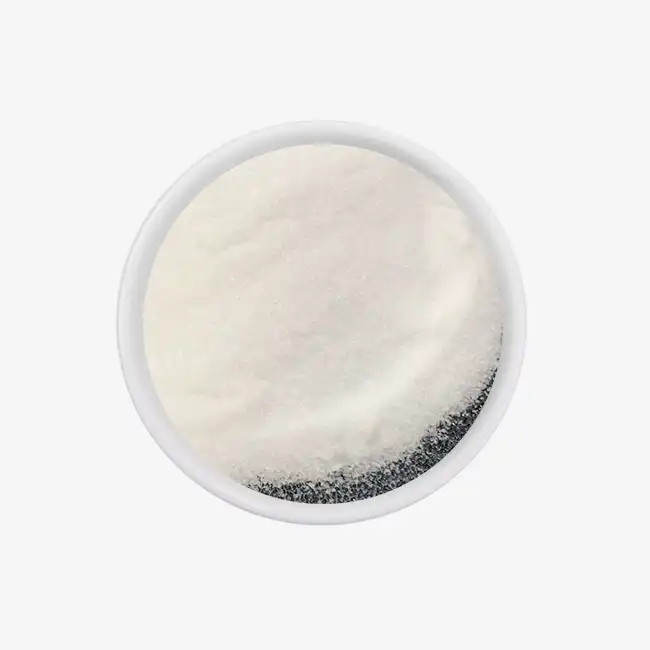
Potassium acetate (CH₀COOK, CAS 127-08-2) is a white solid powder that dissolves easily in water, acid, and alcohol. With a molecular weight of 98.14 g/mol, this compound works by lowering the freezing point of water to stop ice from forming and effectively breaking ice bonds that are already there. Traditional rock salt stops working around -7°C, but potassium acetate-based deicers keep working down to -35°C, so they can be relied on during harsh cold snaps that make traditional methods less useful.
The solid form is clearly better than the liquid form in many ways. Keeping things in the right conditions makes storage a lot easier. Dry, well-ventilated buildings keep the hygroscopic crystals from absorbing water too quickly. Standardized packaging choices help with transportation management. For example, 25 kg plastic woven bags are good for situations where the goods need to be handled by hand, and 1000 kg ton-bags make bulk distribution easier for large-scale operations. Because of these choices, the product is handled less often and doesn't get damaged as much during shipping.
Deicing Mechanism and Application Science
When put on frozen surfaces, potassium acetate crystals break down quickly as soon as they touch any wetness on the surface, no matter how little. This breaking down starts an exothermic reaction that gives off heat that speeds up the melting process. At the same time, the acetate ions break down hydrogen bonds in the structures of the ice crystals. The brine that is made goes under layers of ice and breaks the bond between the ice and the pavement better than just mechanical removal.
Acetate-based deicers are safer for the environment than chloride-based ones. Bacteria in the soil can easily break down acetate ions into carbon dioxide and water using natural biodegradation routes. This bacterial breakdown stops buildup in groundwater systems and keeps plants close to treated areas safe. Environmental agencies' studies show that acetate residues are not as harmful to aquatic environments as rock salt's chloride pollution that lasts for a long time.
Safe Handling and Storage Protocols
Recognizing that the material is hygroscopic is the first step in treating it correctly. Exposure to moisture leads to clumping, which makes it harder for the material to move through spreading equipment and makes the application less effective. Controlling humidity is important for storage sites, and sealed cases are the best way to keep things safe for long periods of time. Standard safety gear like gloves and eye protection should be worn by workers, even though potassium acetate is not as dangerous as some other industrial poisons.
When shipping, extra care must be taken to keep the package from getting damaged, which could let moisture or other contaminants into the product. Standard chemical handling procedures are spelled out in safety data sheets, and they include keeping chemicals away from things that don't react with them. When stored properly and away from sources of heat, the material keeps working the same way during normal stocking cycles. This makes sure that it is ready for when winter conditions call for quick action.
Comparing Potassium Acetate with Other Snow Melting Agents
Performance Metrics Across Temperature Ranges
Temperature tolerance is probably the most important factor in determining performance differences. When temperatures drop below -9°C, rock salt (sodium chloride) breaks down quickly, leaving surfaces open to damage. Calcium chloride increases the temperature range to about -25°C, but it causes metal parts of infrastructure and vehicle undercarriages to rust, which is a big problem. Magnesium chloride works pretty well up to -15°C, but it has the same problems with rusting as calcium chloride.
Formulations based on potassium acetate can keep deicing working at temperatures as low as -35°C, and they might even be able to work at -60°C at eutectic concentration. This wider working window gives you peace of mind when bad weather makes regular agents less effective. The high water solubility speeds up the breakdown rate, which leads to faster initial melting than slower-acting options. This cuts down on the time that ice is potentially dangerous.
Sodium acetate is a related substance in the acetate family that has some of the same environmental benefits but performs a little differently than Snow Melting Solid Potassium Acetate. It is better for critical applications where response time is very important because potassium acetate usually works faster and better at low temperatures. Both types of acetate are non-corrosive, which means they protect investments in infrastructure.
Corrosion Impact and Material Compatibility
Usually, deicers that are based on chloride speed up corrosion by attacking steel reinforcement in concrete buildings, car parts, and sensitive equipment through electrochemical processes. This wear and tear shows up as concrete flaking, rebar showing, and structural parts breaking down too soon. The costs add up over years of repeated exposure. Every year, highway departments across North America spend billions of dollars fixing damage to infrastructure caused by chloride.
Deicers that are built on acetate block these corrosion routes. Testing against aircraft material compatibility standards, such as the AMS 1435 requirements, shows that aluminum alloys, carbon composite materials, and structural steel don't corrode very quickly. Because it doesn't react badly with other materials, potassium acetate is perfect for airports, where it needs to be safe to touch airplane landing gear, brake systems, and electronics enclosures. Corrosion-free deicing is also good for historic bridges, parking structures with visible rebar, and historical buildings.
Cost-Benefit Analysis for Bulk Procurement
Getting potassium acetate for the first time usually costs more than getting regular rock salt. When lifecycle costs are taken into account, this price difference gets a lot smaller. Protecting infrastructure from chloride attack makes assets last longer. Bridges, parking decks, and road surfaces need to be fixed less often when they are safe from this attack. Every year, the savings on maintenance costs add up and often exceed the cost of the acetate-based deicers within the first ten years of use.
Compliance with environmental laws adds another layer to the cost analysis process. Regulations that limit the amount of chloride that can enter watersheds mean that monitoring and cleanup tasks must be done, which raises operational costs. Acetate-based alternatives make compliance easier because they break down naturally, which means less paperwork is needed and there are no possible penalties for environmental violations. Facility managers who have to balance tight budgets with long-term responsibility are becoming more and more aware that investing up front in better deicers pays off in the long run by saving money on costs.
How to Use Solid Potassium Acetate for Efficient Deicing Operations?
Application Rates and Coverage Guidelines
A good application strikes a mix between how well it melts ice and how cheap it is. When there is light frost, you should use 50 to 100 grams per square meter, and when there is moderate ice buildup, you might need 100 to 200 grams per square meter. Rates close to 300 grams per square meter may be needed when there is a lot of ice, or it is very cold. These doses are just suggestions; the exact amounts needed depend on the temperature of the surface, the thickness of the ice, and the traffic patterns that are predicted.
Total chemical use goes down when timing is optimized. Applying pre-treatments before it snows stops ice from sticking to the pavement. This makes mechanical removal easier later on and cuts down on the amount of deicer needed during the storm. Reactive deicing after ice forms is less effective than anti-icing methods, which involve putting a product on before it starts to rain. Compared to traditional reactive protocols, this proactive method cuts the use of chemicals by 25 to 50 percent.
Equipment Selection and Spreading Techniques
Granular potassium acetate is spread evenly over big areas with mechanical spreaders. Broadcast spreaders work well in parking lots and on parts of roads, while drop spreaders are better for controlling the spread of grass on sidewalks and in other sensitive areas. Calibration makes sure that the application rates are always the same. If the adjustments aren't done right, the product is wasted by being applied too much, or safety is compromised by not enough coverage. Manufacturers of equipment offer calibration guides that match the choices on a spreader to the rates of application that are needed for different materials.
For small areas, entryways, and emergency spot treatment, manual application is still useful for Snow Melting Solid Potassium Acetate. Handheld broadcast spreaders let you direct the signal, but they are harder to use consistently than mechanical methods. When material stays dry, it flows better, which is another reason why good keeping is important. When the product is made, anti-caking additives help it keep its free-flowing properties throughout the operational season.

Integration with Mechanical Snow Removal
Chemical deicing and mechanical methods work well together. Deicer gets rid of the bonded ice layer and leftover snow that mechanical equipment can't get rid of, while plowing gets rid of the bulk of the snow buildup. When you use potassium acetate before plowing, the ice-pavement bond is weakened, which makes it easier for plows to clear areas fully. Post-plowing applications keep residual moisture from freezing again and keep the surface safe for friction as temperatures change.
The way airports work is a good example of this combined method. Before winter weather, anti-icing is applied to runway surfaces. During rain or snow, the surfaces are mechanically swept, and then deicing is applied to problem areas. This multi-layered approach keeps operating standards high while making the best use of chemicals. Similar protocols are used in industrial sites, commercial properties, and city infrastructure, depending on their specific needs and safety priorities.
Environmental Compliance and Regulatory Considerations
Managing the environment is easier with biodegradable deicers than with continuous chloride deicers. Microbial action breaks down potassium acetate into carbon dioxide and water, which are safe byproducts that dissolve in natural biological cycles and don't build up. This trait fits with efforts to protect watersheds by limiting the amount of chloride that gets into sensitive aquatic habitats. Regulatory agencies are favoring acetate-based alternatives more and more when protecting the environment is more important than saving money.
Even though the situation is looking good, documentation needs are still important. Keeping application records, keeping track of usage numbers, and keeping an eye on runoff trends are all ways to show that you care about the environment and follow the rules. Acetate-based deicers are managed in the best way possible in many places. This helps owners get the most out of their programs while still protecting the environment and keeping the roads clear during the winter.
Procurement Guide: Sourcing Solid Potassium Acetate for Your Snow Melting Needs
Evaluating Supplier Credentials and Manufacturing Quality
Choosing suppliers you can trust protects both operational continuity and product performance. Manufacturing certificates show dedication to quality systems. For example, ISO 9001 certification shows that established quality management methods are being used, and ISO 14001 certification shows that environmental management standards are being followed. The ISO 45001 certification covers health and safety at work, which is especially important when working with industrial chemicals. Suppliers who have more than one license usually have better business control and stability.
During times of high demand, the dependability of supply is affected by production capability. Winter weather causes demand to rise at the same time in many parts of the world. Suppliers with a lot of production capacity keep their stock on hand when rivals are running out. SHANXI ZHAOYI CHEMICAL has factories that can make 150,000 tons of acetate products every year. This makes sure that large-scale procurement contracts are always met, which is something that smaller manufacturers can't always do.
The ability to provide technical support sets strategic partners apart from commodity suppliers. Access to program experts, advice on how to improve speed, and help with troubleshooting is worth more than the actual product itself. Suppliers who offer technical support 24 hours a day, seven days a week respond quickly when operational problems arise, avoiding costly delays during important winter events. Support for documentation, such as material safety data sheets, certificates of analysis, and compliance paperwork, makes it easier to meet legal standards and check the quality of products.
Bulk Purchasing Strategies and Logistics Planning
Order quantity optimization finds the best balance between the costs of keeping inventory, the benefits of buying in bulk, and the safety of supply. Different suppliers have different minimum order numbers for different types of packaging. Knowing these limits helps you plan your purchases more efficiently. Ton-bag packaging works well for bulk storage and mechanical handling systems. Smaller bag sizes are more flexible for storage spots that are spread out and for using in different ways across multiple sites.
Logistics issues for Snow Melting Solid Potassium Acetate (CAS NO.: 127-08-2) have a big effect on the total cost of delivery. Rates for freight change based on distance, volume, and demand patterns that change with the seasons. Setting delivery terms like FOB, CIF, or DAP makes it clear who is responsible for costs and where the risk lies during transportation. Reliable suppliers keep up shipping partnerships that offer cheap freight rates and guaranteed space allocation. This keeps deliveries on time during busy shipping times, when spot market rates are affected by limited capacity.
Geographic delivery networks cut down on freight costs and wait times. Suppliers whose warehouses are strategically placed can handle urgent orders faster than those who have to ship every order over a long distance. Safety stock programs, in which sellers keep extra supplies just for important customers, give the supply chain more security during sudden increases in demand or production problems that affect the whole chain.
Quality Verification and Product Specifications
The amount of purity has a direct effect on how well and how cheaply deicing works. Formulations with a high purity level—usually 98 to 99% potassium acetate content—achieve consistent results and can be used at consistent rates. It's possible that lower purity grades will need higher application rates to get the same level of performance, which could cancel out any cost savings that come from lower unit pricing. Certificates of analysis that show the amount of cleanliness, moisture, and impurities in a product make it possible to check that it meets quality standards.
Levels of trace contaminants are important, especially for sensitive uses. Specifications for chloride content—often a maximum of 0.2%—make sure that chloride pollution doesn't get in the way of the corrosion-prevention benefits of acetate-based deicers. Limits on the amount of iron in concrete and building surfaces keep them from turning colors. Specifications for water-insoluble material make sure that the substance dissolves completely, leaving no residue behind that could clog drainage systems or cause slip risks.
Performance can be predicted throughout the working season as long as batches are consistent. Suppliers who use strict quality control check each batch of production against set standards. This makes it possible to track and hold suppliers accountable. This consistency from batch to batch gets rid of performance variations that make application rules and teaching staff harder to understand. Purchasing managers are becoming more and more aware that solid stability is a better reason to work with a supplier than just comparing prices.
Building Long-Term Supplier Partnerships
Strategic relationships with suppliers offer benefits that go beyond individual transactions. When people work together, they can make things more specific, like formulas that work better in certain climates, special packaging that is easy to handle, or changes to the specs that make the product work better in certain situations. When suppliers see customers as long-term partners, they put money into learning about their operational needs and coming up with solutions that can't be found through commodity transactions.
When you commit to a certain amount of a product, you can often get better pricing, priority handling when supplies are low, and specialized technical support resources. Multi-year supply deals keep prices stable when the market changes, and they also guarantee that supplies will keep coming. Structured agreements that are flexible enough to let orders be changed based on actual weather trends balance the benefits of commitment with the practical realities of demand that changes based on weather.
During tough times, communication methods that help partnerships work well come in handy. When problems happen, having direct access to people who plan production, coordinate tasks, and fix issues speeds up the process. Instead of managing a crisis after the fact during busy times, proactive communication about production schedules, inventory levels, and possible supply disruptions lets people plan ahead.
Future Trends and Innovations in Snow Melting with Potassium Acetate
Formulation Advances and Performance Enhancement
Acetate-based deicers like Snow Melting Solid Potassium Acetate are getting better as researchers keep looking for better crystal structures and ingredients to add to them. Adding corrosion inhibitors, ice-penetrating surfactants, and anti-caking agents to changed formulations makes the properties work better for certain uses. These improvements make the useful temperature ranges bigger, speed up the initial melting rates, and make storage more stable. They solve practical problems found in the field and through customer feedback.
Combination goods that mix potassium acetate with substances that work well together improve performance. Blends of acetate and formate work better at low temperatures and are still safe for the environment. Agricultural nutrient additives turn deicer water into soil-beneficial amendments instead of trash that needs to be handled. The level of skill needed to match product features to application needs and environmental concerns is growing, as shown by these new products.
Smart Application Technologies
To get the most out of chemical use, digital monitoring systems work with traditional spreading equipment. Controllers with GPS instantly change application rates based on sensors that measure the surface temperature in real time, data from weather forecasts, and algorithms that have already been coded. This accuracy cuts down on loss from using too much while still making sure there is enough coverage to meet safety standards. The ability to log data keeps track of treatment actions so that they can be reported to regulators and used to analyze performance.
Remote monitoring tools let a central authority keep an eye on processes that are spread out. From a single dashboard, facility managers can keep an eye on inventory levels, application activities, and the status of equipment at multiple sites. People are notified automatically when there aren't enough supplies, when equipment breaks down, or when the weather forecast calls for pre-treatment protocols to be carried out. These methods increase working efficiency while lowering the number of workers needed during winter storms that happen overnight or over the weekend.
Regulatory Drivers and Market Expansion
Environmental laws are making it harder to use salt in waterways that are sensitive to wildlife. The U.S. Environmental Protection Agency has named chloride as a new pollutant that needs to be looked at more closely. This has led to state-level efforts to limit the amount of chloride that can be used and require best management practices. As a result of these government rules, the market for acetate-based options that are safer and better for the earth is growing.
International standards for airport deicing chemicals keep making it harder for chemicals to react with certain materials and have negative effects on the environment. Formulations of potassium acetate that meet aerospace standards are becoming more popular in markets other than flight. This is because facility managers know that goods that are safe for sensitive aircraft systems go above and beyond what is needed for less demanding uses. This approval method makes it easier to buy things while still guaranteeing high performance.
The effects of climate change make operations harder, which makes acetate-based options more appealing. As freeze-thaw cycles happen more often instead of long periods of cold weather, deicers need to be able to work reliably in a range of conditions. Because of changes in temperature that make regular salt useless, products that work well in a wider range of temperatures are needed. These changes in the weather are in line with potassium acetate's performance benefits, which are speeding up its use by forward-thinking infrastructure managers.
Conclusion
Protecting infrastructure during the winter requires solutions that balance short-term effectiveness with long-term durability, and Snow Melting Solid Potassium Acetate delivers this balance. Potassium acetate-based deicers are better at melting ice at low temperatures; they don't damage infrastructure, and they break down naturally in the environment, which is something that chloride-based deicers can't do. The operational benefits, such as quickly melting ice, material compatibility, and regulatory compliance, make the investment worth it for facility managers who put safety and asset preservation first. As rules about the environment get stricter and weather trends change, acetate-based solutions help businesses get ready for future problems while also meeting their current needs.
FAQ
How does potassium acetate compare to rock salt in extreme cold?
Around -7°C, rock salt stops working because it dissolves much more slowly. Potassium acetate works well to melt ice even at -35°C, and at its best concentration, it should work well up to -60°C as well. This wider temperature range makes sure that the ice won't build up during very cold spells when regular salt doesn't work at all.
Will acetate-based deicers damage concrete surfaces?
Chloride salts can damage finished concrete chemically, but potassium acetate doesn't do that. It also doesn't cause the damage that freeze-thaw growth does. Because it doesn't corrode, it's perfect for protecting parking garages, bridges, and ancient infrastructure where the protection of concrete calls for high-quality deicing products.
What storage conditions does this product require?
Because potassium acetate absorbs water, it needs to be stored in dry, well-ventilated buildings where it won't come into contact with water. During normal stocking times, sealed packaging keeps the quality of the product. When things are stored correctly, they don't absorb wetness too quickly, which can cause clumping and make application tools less effective.
Can potassium acetate be used around vegetation safely?
Microorganisms in the soil easily break down acetate into carbon dioxide and water, so it doesn't build up and hurt plant roots. Because they break down naturally, acetate-based deicers are much safer for grass, gardening, and nearby plants than chloride chemicals that stay in the soil and cause problems.
Enhance Your Winter Operations with SHANXI ZHAOYI CHEMICAL
When operations managers need reliable acetate-based deicing solutions, they should work with manufacturers who care about quality and dependability. SHANXI ZHAOYI CHEMICAL has been making acetate products for more than thirty years and has ISO, KOSHER, and HALAL certifications to show that they are excellent at what they do. Our yearly production capacity of 150,000 tons guarantees supply continuity for bulk purchase contracts, and our expert support is available 24 hours a day, seven days a week to help with application optimization and problem-solving. Our team can help you with solutions that are tailored to your unique working needs, whether you are in charge of airport runways, city infrastructure, or industry sites. You can talk to our experts about your deicing needs, get detailed information, or set up product samples by emailing sxzy@sxzhaoyi.com. You can look at our full line of acetate products at zhaoyichemical.com and learn why procurement professionals choose SHANXI ZHAOYI CHEMICAL as their top supplier for Snow Melting Solid Potassium Acetate (CAS NO.: 127-08-2) for important winter operations.
References
1. Transportation Research Board. "Sustainable Winter Road Operations: Chemical and Abrasive Management." National Academies Press, 2023.
2. American Society for Testing and Materials. "Standard Specification for Airport Pavement Deicing Fluid." ASTM International Standards, 2022.
3. Environmental Protection Agency. "Chloride Contamination and Best Management Practices for Winter Maintenance." EPA Office of Water Technical Report, 2021.
4. Airport Cooperative Research Program. "Low-Corrosion Deicing Technologies for Aircraft and Airfield Infrastructure." Research Report Series, 2022.
5. National Association of Corrosion Engineers. "Corrosion Costs and Preventive Strategies in Highway Infrastructure." NACE International Publication, 2020.
6. Journal of Cold Regions Engineering. "Performance Evaluation of Acetate-Based Deicing Compounds in Municipal Applications." Cold Regions Research, Volume 37, 2023.

USER EVALUATE
Here is the customer's evaluation of us