



Snow Melting Liquid Potassium Acetate Helps Prevent Snow Accumulation Problems
Snow accumulation creates serious operational disruptions across municipal infrastructure, transportation networks, and commercial facilities during winter months. Snow melting liquid potassium acetate (CAS NO.: 127-08-2) offers an effective solution to prevent ice formation and accumulation on critical surfaces. This colorless, transparent liquid, with the molecular formula CH3COOK, works immediately upon contact to lower the freezing point of water to -35°C, ensuring safe passage even during severe winter storms. Unlike traditional chloride-based salts that damage concrete and corrode metal infrastructure, this acetate-based deicing solution protects assets while delivering consistent performance in extreme cold conditions, making it the preferred choice for airports, highway authorities, and facility managers who prioritize both safety and infrastructure longevity.
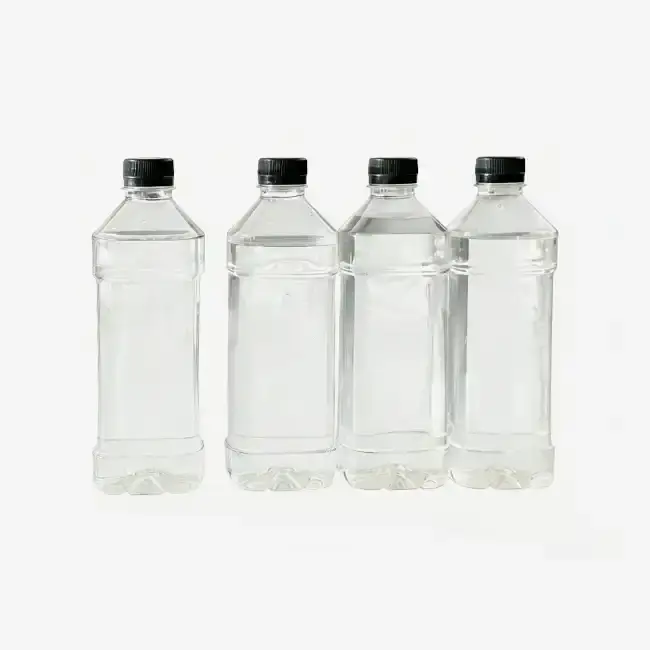
Understanding Liquid Potassium Acetate and Its Role in Snow Melting
What Makes Liquid Potassium Acetate Different from Traditional Deicers?
Liquid potassium acetate is a big step forward in technology for winter upkeep. This chemically stable substance (CAS NO. 127-08-2) lowers the freezing point by stopping the formation of ice crystals at the molecular level. It works right away, unlike solid deicers that take time to dissolve. The liquid form allows even spreading across treated surfaces, making sure full coverage and stopping snow from sticking to the ground. One place this quality comes in handy is on airport runways, where Foreign Object Debris (FOD) from granular products can make flying dangerous.
The chemical makeup improves efficiency and helps with typical maintenance problems that come up in the winter. With a specific gravity of 1.25 to 1.29 at 20°C, the solution easily breaks through existing layers of ice while still being fluid at temperatures below zero. Because the pH range is balanced between 7.5 and 9.2, metal surfaces don't oxidize as easily as they do with chloride-based options. It can be used with automated spray systems and Fixed Automated Spray Technology (FAST) installations on bridge decks and overpasses because of these qualities.
Environmental and Safety Profile
More and more sensitive places are using acetate-based deicing products because people want to be better for the environment. The product breaks down more than 95% naturally, and its low Biological Oxygen Demand (BOD) and Chemical Oxygen Demand (COD) levels mean that it has little to no effect on water systems that receive it. This environmental profile means that it can be used safely near landscaping, plants, and waterways, without the environmental worries that come with using regular salt products.
Safety concerns go beyond how something affects the world and include things like how the material works with other things and how to handle it. The non-corrosive formula keeps rust rates below 0.03g/m²·h on surfaces made of carbon steel, aluminum, and concrete. This protects investments in infrastructure and lowers long-term upkeep costs. The slightly acidic nature makes it safer to handle than harmful alternatives, but standard safety gear should still be worn during application procedures. For storage, containers must be kept in dry, well-ventilated areas away from heat sources and materials that don't go with them. During transport, they must be handled carefully to avoid damage.
Benefits of Using Liquid Potassium Acetate for Snow and Ice Control
Superior Performance in Extreme Conditions
Quality deicing options are different from average ones because they are reliable during bad weather. At temperatures as low as -25°C, liquid potassium acetate can melt snow at a rate of more than 85% in an hour, keeping its effectiveness where other products fall short. This performance lets airports keep running, which is important because the availability of runways directly affects schedules and income. Bridge officials say that they don't have to apply it as often as salt-based options, which means lower labor costs and less damage to the environment from waste.
Real-life examples show how the benefits can be used in a variety of situations. Municipal wastewater treatment plants that use sodium acetate for denitrification have added potassium acetate for deicing, using the same safety rules and storage facilities they already have. Particulate residue that could affect production areas or get in the way of fine equipment is not present in industrial facilities that use sensitive processes. Highway maintenance contractors who use FAST systems say that the nozzles always work properly and don't get clogged as they do with solid product solutions.
Infrastructure Protection and Cost Efficiency
The economic case for snow melting liquid potassium acetate goes beyond the price of the product itself and includes the total cost of ownership. Exposure to chloride speeds up the spalling of concrete and the rusting of steel reinforcements in bridges, parking structures, and roads. This means that repairs are needed more often than cheaper materials would be worth. By stopping this damage, building managers keep the value of assets and avoid having to deal with disruptive repair projects.
The benefits of material compatibility stretch to vehicles and tools that are used during the application process. Less corrosion damage happens to airport ground support equipment, city maintenance trucks, and business snow removal equipment, which means they last longer and cost less to repair. When facility managers switch from chloride-based products to acetate-based products, they report fewer repairs to the concrete and longer periods of time between structural assessments.
How to Procure Snow Melting Liquid Potassium Acetate: A B2B Buying Guide?
Selecting Qualified Suppliers and Manufacturers
Finding providers who can provide consistent quality and dependable delivery over multiple winter seasons is key to successful procurement. SHANXI ZHAOYI CHEMICAL was founded in 1988 and has been making acetate for 30 years. They are a good example of the kind of seller skills that procurement professionals should look for. The company can produce 150,000 tons of goods every year, which makes sure there is enough to go around even during times of high demand. Their ISO 9001, ISO 14001, and ISO 45001 certifications show that they are committed to quality management, environmental standards, and health and safety at work.
Different types of applications have different certification needs. For airport operations, Aerospace Material Specification (AMS) 1435 standards for corrosion tests and material suitability must usually be followed. For food-grade and pharmaceutical uses, you need extra KOSHER and HALAL approvals, which well-known makers keep up to serve a wide range of customers. Asking for Certificate of Analysis (COA) paperwork for sample production batches lets you check important factors like the amount of potassium acetate (50–60%), the amount of heavy metals (Pb ≤0.01%), and the amount of chloride contamination (≤0.01%).
Evaluating Technical Specifications and Quality Parameters
Knowing the technical details of different suppliers' products lets you make smart comparisons. One important factor is the quantity of potassium acetate, which has a direct effect on the freezing point decline and application rates. Products with a 50–60% concentration combine performance with handling properties, working effectively at temperatures as low as -30°C while still being able to be pumped. The amount of impurities affects both how well the equipment works and how long it lasts. For example, iron content limits (≤0.002%) keep surfaces from staining, and sulfate limits (≤0.05%) keep precipitation from building up and blocking spray systems.
Protocols for quality control tell the difference between professional makers and sellers of goods. For consistency from batch to batch, you need to do a lot of tests, like checking the refractive index, measuring the density, and checking the pH stability. Manufacturers who use Statistical Process Control (SPC) methods give information about their production capabilities and how they control variation. By asking for quality documentation from more than one production period, customers can find out if suppliers consistently meet standards or if they sometimes fall short and need to be contacted.
Logistics and Packaging Considerations
The choice of packaging affects how much it costs to ship, how well it stores, and how easy it is to use. The 1000L IBC (Intermediate Bulk Container) style is better for places that have access to forklifts and enough storage room because it makes handling cheaper and cuts down on packaging waste. By turning standard shipping containers into tanks for liquid cargo, flexitank systems make international shipping of goods by ocean more cost-effective. When you talk to suppliers about your yearly volume needs, they can often give you packaging choices that are better suited to your individual logistics and work processes.
Logistics networks for snow melting liquid potassium acetate (CAS NO.: 127-08-2) should be planned for in terms of how cold weather will affect them. Delivery delays during peak winter demand can be avoided by making supply deals that include smart inventory placement at regional distribution points. Lead times depend on the supplier's capacity and location. SHANXI ZHAOYI CHEMICAL keeps security stock to allow production and fulfillment cycles of 5–7 working days. They also have good relationships with international shipping companies that ensure they can offer competitive rates and reliable schedules.
Best Practices for Storing, Handling, and Applying Liquid Potassium Acetate
Storage Requirements and Shelf Life Management
When products are stored correctly, they stay useful all winter and into the following years. The goods should be kept in stores that are dry, well-ventilated, and away from direct heat sources and sources of wetness. Extreme temperatures don't affect the safety of chemicals, but storing them at room temperature above the freezing point makes them easier to handle because they don't have to be thawed before use. Regular inspections are needed to make sure that containers are still intact. For example, IBC tanks should be checked for damage, especially after transport, and any damaged units should be kept separate until they can be fixed or replaced.
Inventory rotation practices make sure that products work at their best. Although potassium acetate solutions are very stable, using first-in, first-out (FIFO) rules keeps stock from going bad for no reason. Standard safety rules for chemical storage include keeping chemicals away from things that don't work with them, especially strong oxidizers and explosive metals. Keeping track of receipt dates and batch numbers makes it possible to find out what happened if there are problems with the performance during application.
Application Techniques and Equipment Integration
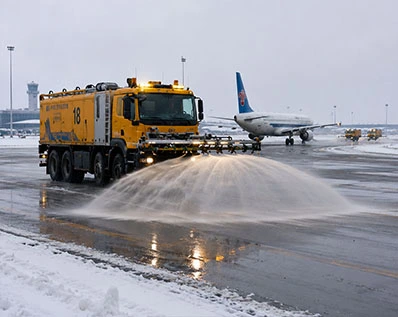
For application to work well, the method needs to be matched to the surface and weather conditions. Usually 30 to 50 liters per lane kilometer are used for anti-icing treatments before it rains to keep snow from sticking to the ground. When deicing an existing buildup, higher application rates are needed that are based on the thickness and temperature of the ice. The liquid form works perfectly with spray bar tools, letting you precisely measure and spread the product evenly over the intended areas.
Application systems work longer when they are maintained according to set rules. When you flush spray systems with clean water after use, you stop gunk from building up that could affect how well they work in the future. Regularly checking the sprayer for wear patterns that need to be fixed or replaced parts keeps the desired spray patterns and stops waste from being spread out unevenly. Accurate rate control is made possible by calibrating application equipment, which also makes the best use of materials while getting the desired heating performance.
Comparing Liquid Potassium Acetate with Alternative Deicing Solutions
Acetate-Based Product Comparison
Potassium acetate is one of the acetate-based deicers that works best in certain situations. Sodium acetate is often used in municipal wastewater treatment as a carbon source for biological denitrification. It is also used for deicing when corrosion resistance is important but adding potassium to the soil is not wanted. As an added bonus, potassium acetate is good for plants, which makes it a better choice for places where waste affects farmland or planted areas. Calcium acetate has some uses, but it doesn't work as well at low temperatures as potassium versions do most of the time.
When thinking about cost, it's not enough to just look at unit price. You also need to think about differences in concentration and application rates. Higher ratios of active ingredients mean that smaller amounts of the product are needed to get the same effects, which saves money on shipping and storage space. Comparing based on cost-per-treated-area is more useful than price-per-gallon measures because it takes into account how well the product works and how efficiently it is bought.
Advantages Over Chloride-Based Salts
Traditional road salt (sodium chloride) and calcium chloride products are the most popular winter care items because they are cheap to buy. However, these apparent savings hide high costs that aren't so obvious. Exposure to chlorine speeds up the breakdown of concrete in a number of ways, including attacking the cement paste chemically, causing it to expand due to the growth of salt crystals, and making freeze-thaw damage happen more quickly. Corrosion of steel reinforcements caused by salt entry requires expensive repairs like removing concrete, replacing rebar, and restoring the structure.
The protection that potassium acetate gives to infrastructure is worth a lot because it saves money on maintenance. When looking at 20-year service periods, bridge authorities that do lifecycle cost analyzes always find that non-chloride deicers are more cost-effective. Environmental compliance factors strengthen this economic case—places with strict chloride discharge limits to sensitive watersheds find that acetate alternatives allow them to keep doing winter maintenance work without breaking the rules or spending a lot of money on expensive stormwater treatment infrastructure.
Conclusion
Problems with snow buildup call for solid solutions that keep operations going all winter long while protecting infrastructure, and snow melting liquid potassium acetate is the answer. Liquid potassium acetate has been shown to work well in harsh conditions, melting ice while also being safe for the environment and compatible with other materials. The liquid form makes it easy to use with modern application equipment and doesn't have the problems that come with granular products, like foreign object debris. Total cost of ownership analysis consistently favors acetate-based solutions over traditional chloride alternatives, especially when infrastructure security and environmental compliance are taken into account by procurement professionals looking at winter upkeep strategies. Supply stability across multiple seasons is ensured by choosing qualified makers with proven production capacity and quality management systems.
FAQ
What surfaces can be safely treated with liquid potassium acetate?
It has been shown that liquid potassium acetate can be used with almost all popular building materials, such as asphalt, concrete, steel, metal, and painted surfaces. After AMS 1435 standard verification, aviation officials say it can be used on surfaces that are compatible with airplanes. Because it has a balanced pH and doesn't corrode, it can be used in places where regular salt products would damage parking structures, bridge decks, historic cobblestone areas, and sensitive business areas. It's a good idea to test on specific specialty surfaces before using them on a lot of surfaces, though compatibility problems don't happen very often.
How should product be stored to maintain effectiveness?
Products will always be of high quality if they are stored in dry, well-ventilated places away from sources of heat and wetness. Potassium acetate liquids don't break down when stored normally because they are chemically stable. When not in use, containers should be kept closed so that they don't absorb water or get dirty. The product works at all temperatures, but storing it above freezing makes it easier to handle because you don't have to let it thaw before using it. Standard safety procedures say that drugs that don't mix should be kept away from each other. This keeps the storage area safe.
What factors influence pricing for bulk purchases?
Prices are affected by factors like concentration, order number, packaging type, and shipping operations. Because of economies of scale in production and transportation, suppliers usually give discounts for large orders. Freight prices, customs taxes, and currency exchange rates are things that come up when you buy something internationally that don't come up when you buy something locally. Pricing may be affected by the quality approvals needed for certain uses. For example, aviation-grade material that meets AMS standards costs more than general industry grades. Setting up regular supply deals is a good way to get good prices and make sure you have enough during times of high demand.
Partner with SHANXI ZHAOYI CHEMICAL for Reliable Winter Maintenance Solutions
If you need help with winter maintenance, SHANXI ZHAOYI CHEMICAL has enterprise-grade potassium acetate products like snow melting liquid potassium acetate (CAS NO.: 127-08-2) that are made under strict quality control rules. Our 30 years of experience making liquid potassium acetate for removing snow means that the quality of our products is always the same. We back this up with ISO certifications and full technical support. We keep a lot of stock on hand so that we can fulfill orders quickly, even during times of high demand. We also offer a variety of flexible packaging options, such as 1000L IBC tanks and cheap flexitanks for shipping goods internationally. For specific needs, our technology team can help with applications and make changes as needed. Get in touch with our purchasing experts at sxzy@sxzhaoyi.com to talk about your specific winter maintenance issues and get full product specifications. Visit zhaoyichemical.com to see our full line of acetate products used in a wide range of industries around the world.
References
1. American Society for Testing and Materials (2019). Standard Practice for Evaluating Solid-Free Liquid Deicer Performance. ASTM International, West Conshohocken, PA.
2. Federal Aviation Administration (2018). Advisory Circular: Airport Winter Safety and Operations. U.S. Department of Transportation, Washington, DC.
3. National Association of Corrosion Engineers (2020). Corrosion Costs and Preventive Strategies in Infrastructure Management. NACE International, Houston, TX.
4. Pacific Northwest Snowfighters Association (2021). Best Practices Guide for Winter Road Maintenance. Transportation Research Board, Washington, DC.
5. Strategic Highway Research Program (2017). Non-Chloride Deicers for Winter Highway Maintenance: Performance and Environmental Impacts. National Academies Press, Washington, DC.
6. Transportation Research Board (2022). Sustainable Winter Maintenance: Material Selection and Application Strategies. National Cooperative Highway Research Program, Washington, DC.

USER EVALUATE
Here is the customer's evaluation of us