



How Does Airport Runway Solid Potassium Acetate Improve Flight Safety?
Airport Runway Solid Potassium Acetate (CAS NO.: 127-08-2) transforms winter runway operations by delivering exceptional ice-melting performance at temperatures as low as -60°C while protecting critical aircraft components from corrosion. This aviation-grade de-icing agent enhances runway friction, reduces aircraft braking distances, and minimizes weather-related delays, directly addressing the most pressing flight safety challenges during winter operations. Unlike traditional de-icing chemicals, this crystalline compound dissolves rapidly upon contact with ice, creating a non-slip surface that maintains aircraft control during takeoff and landing phases—the most critical moments of any flight.
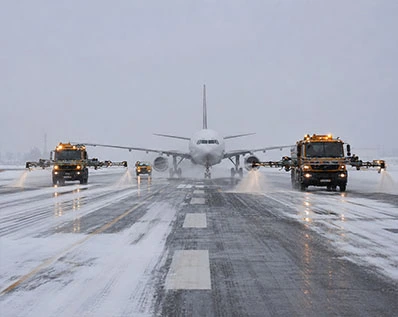
Understanding Solid Potassium Acetate and Its Role in Runway Ice Control
Winter weather makes it very hard for airport officials to run their businesses. When it rains a lot and the temperature drops, the airport surfaces become dangerous, putting the safety of thousands of people at risk every day. In the last 30 years, aviation-grade de-icing compounds have changed a lot. Potassium acetate has become the best choice for large international airports.
Chemical Composition and Mechanism
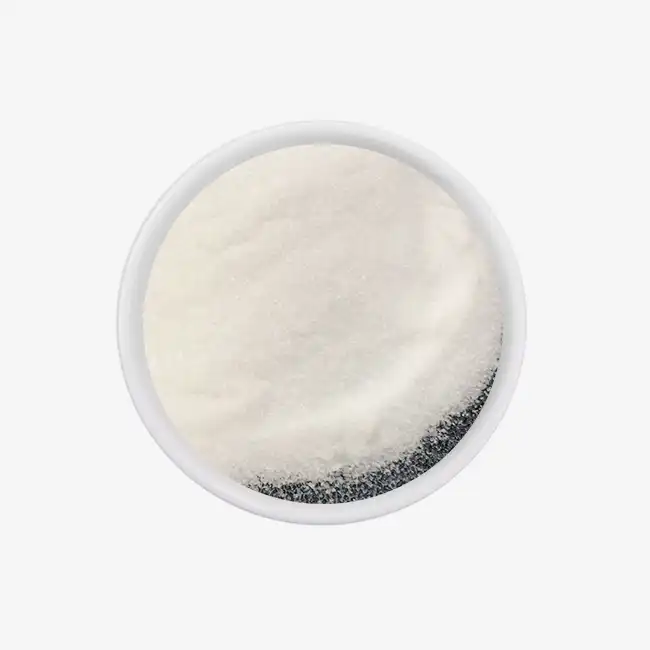
A white, solid material with a molecular weight of 98.14 g/mol is shown by the formula CH₃COOK. When this substance is put on a frozen runway, it lowers the freezing point of water through colliding properties. This breaks up the ice's crystal structure and stops the ice layers from sticking to the ground. The exothermic dissolving process creates heat in specific areas, which speeds up the melting process even when it is very cold.
This chemical works by making brine spaces in layers of ice up to 6 mm thick. This makes it easier for snowplows and sweepers to remove the ice mechanically. Because the material is hygroscopic, it can absorb water from the air as soon as it is applied. This starts the deicing process without the need for extra water sources.
Storage and Handling Requirements
To properly manage this de-icing material, certain environmental controls need to be put in place. The goods come in either 25 kg plastic weave bags or 1000 kg ton-bags, which are made to keep wetness out while they are being stored. For chemicals to stay intact over the two-year shelf life, warehouses must keep the air dry, allow air flow, and keep temperatures within certain ranges.
Transportation rules say that packages must be handled carefully so that they don't get damaged, which could lower the quality of the goods. Crews on the ground have to store the chemical away from heat sources and harmful materials. The granules' bulk density of 0.8 to 0.9 g/cm³ keeps them from moving around in the wind while they're being applied, even when there is jet blast near busy taxiways.
Advantages of Solid Potassium Acetate for Airport Runways Compared to Other De-icing Agents
Urea, sodium chloride, and calcium chloride substances were used a lot in older ways to clear runways of ice. Each of these things has limits that modern airport operations find harder and harder to accept. Below -7°C, urea stops working and gives off ammonia compounds that hurt aquatic ecosystems near airport property. Chloride-based salts speed up the rusting of airport infrastructure, landing gear, and electrical systems that are buried in the ground.
Superior Performance Characteristics
Aviation-grade potassium acetate has huge benefits in a lot of different performance areas. The effective temperature range of -60°C makes sure that it can work reliably in the coldest winter weather, even when using regular de-icers on the ground. This extended capability is especially helpful for airports in northern latitudes, keeping flights on schedule that would have to be canceled otherwise.
Aluminum, magnesium, and cadmium-plated airplane parts are protected from breaking down by the non-corrosive recipe. Corrosion sandwich testing shows that the rates of material contact with carbon steel are still less than 0.03g/m³·h, which is a lot less than chloride options. This feature increases the useful life of both runway facilities and airplane systems, which results in big cost saves over time.
Measuring the friction on the runway for Airport Runway Solid Potassium Acetate shows that things always get better after application. The compound makes surfaces with a lot of grip, which shortens the distance an airplane has to travel to stop, which increases safety during landing operations. This improvement in friction is especially helpful when the weather changes quickly and pilots have to decide in a split second whether to continue with the approach or go around.
Environmental and Economic Considerations
Environmental effects on modern flight are under more and more pressure to be kept to a minimum. Potassium acetate breaks down naturally without releasing any harmful chemicals, so it meets the strict EPA watershed discharge rules. The low Biological Oxygen Demand (BOD) profile makes sure that marine areas that receive runoff from airports are not too affected.
The total cost of ownership figure includes more than just the price of the car itself. Even though the initial investment may be higher than standard options, operational saves build up over time through less infrastructure upkeep, fewer repairs for corrosion on airplanes, and better continuity of operations. Procurement managers know that fewer delays caused by bad weather directly lead to higher customer satisfaction and revenue protection.
Application and Handling Best Practices for Optimal Runway De-icing Performance
To use potassium acetate de-icing chemicals effectively, you need to plan ahead and follow through carefully. Airport management teams have to adjust the rates of application based on the weather, the temperature of the ground, and the amount of rain that is expected. To deal with these factors, you need to know a lot about both weather and chemical performance.
Strategic Application Methods
Before it starts to rain, pre-treatment anti-icing actions start. Ground teams put down thin layers of granular material on dry sidewalk areas. This makes a chemical barrier that stops ice from sticking to the pavement. This proactive method works better than reactive de-icing because it uses less material and cuts down on the time it takes to turn around an airplane.
When it's snowing, spreading equipment spreads the compound at rates that are designed to match the amount of snowfall. The optimal particle size distribution makes sure that the material is spread out evenly without being blown around by the wind. This keeps the material exactly where it needs to be. Using chemical treatments along with mechanical snow removal equipment makes things work more efficiently. For example, plows and sweepers work together to clear paths quickly.
Application timing is based on strict rules that are in line with flight times. Operations teams work with air traffic control to keep airport closures as short as possible and make sure that all ice is gone before flights can restart. The fast rate of breakdown lets you move quickly during changing weather conditions, and the melting action starts within minutes of application.
Quality Assurance and Monitoring
Continuous tracking tools make sure that performance stays the same during the winter. Crews on the ground use special tools to measure the amount of surface grip during friction tests, which make sure that safety standards are met. These measures help with deciding when to reapply and how to handle bad weather.
Chemical integrity stays intact by checking the quality of stored materials on a regular basis. Particle size distribution analysis, pH verification, and dissolution rate testing are all done on batches. Screening for heavy metals makes sure that environmental rules are followed, and rust testing makes sure that sensitive airplane parts are safe. These strict controls are in line with the SAE AMS 1431E rules for aircraft deicing agents.
How to Choose and Procure Solid Potassium Acetate for Airport Runway Use?
Choosing the right chemicals to melt ice on runways like Airport Runway Solid Potassium Acetate (CAS NO.: 127-08-2) requires a careful look at a number of factors. Procurement managers have to find a balance between meeting safety standards, protecting the environment, running the business efficiently, and staying within the budget. Technical know-how and smart supply chain management are needed to make decisions.
Critical Selection Criteria
Certification guidelines are the basis for judging a product. The SAE AMS 1431E standards set performance standards for aircraft de-icing substances. They cover things like chemical makeup, resistance to corrosion, and effect on the environment. When products get FAA approval, it means they meet government safety standards for airport operations. As an extra check on product stability and factory controls, ASTM standards are useful.
Product purity has a big effect on how well it works and how reliable it is. Formulations that meet the requirements for ≥99.0% content give consistent melting behavior and reduce the amount of unwanted leftovers. A chloride content of less than 0.2% saves infrastructure and aircraft systems. An iron content of less than 0.05% keeps concrete surfaces from getting stained. If the amount of water-insoluble material is less than 0.05%, the whole thing will dissolve without leaving any particles behind.
In a 15% solution, a pH range of 9.0 to 10.5 means that the formulation is balanced. This amount of alkalinity lets ice through without hurting the asphalt binders or concrete particles. The right pH level also makes sure that it works with liquid de-icing systems that are already in use for planes' surfaces, which lets winter operations management work together.
Supplier Partnership Considerations
Product dependability is directly linked to the amount of knowledge a manufacturer has. SHANXI ZHAOYI CHEMICAL has been making acetate for more than 30 years and has plants that can make 150,000 tons of acetate every year. This scale makes it possible to keep an eye on quality and be sure of a steady supply during the busiest times of the winter.
Portfolios of certifications show that you are dedicated to quality management systems. ISO 9001 certification verifies controls in the manufacturing process, and ISO 14001 certification verifies practices in environmental management. The ISO 45001 license covers health and safety rules at work. Certifications like KOSHER and HALAL make markets more accessible for a wider range of buying needs.
How resilient a supply chain is for Airport Runway Solid Potassium Acetate depends on how well its logistics work. Partnerships with foreign shipping companies guarantee regular arrival times, which are necessary to keep enough stock on hand during long periods of cold weather. Competitive pricing systems and chances to buy in bulk make the best use of budgets while ensuring adequate material supplies.
Case Studies and Verification of Solid Potassium Acetate's Impact on Flight Safety
Results from real-world implementations are strong proof of performance benefits. Many international airports have reported big improvements in safety and efficiency after switching to de-icing programs that use potassium acetate. These case studies can help buying managers who are thinking about switching to new technologies.
European Airport Implementation Results
Several big European airports that serve places in northern latitudes said that using aviation-grade potassium acetate reduced friction by a measurable amount. Compared to earlier urea-based programs, readings of the runway coefficient went up by an average of 15 to 20 percent. This directly led to shorter distances for planes to stop. During the winter, operations managers saw fewer reports of incidents related to weather and fewer go-arounds.
After the conversion, infrastructure maintenance departments found that the pavement lasted longer. Less cracking and breaking down of the concrete meant less money was spent on repairs each year, which more than covered the cost of buying new de-icing materials in the first place. In the same way, aircraft maintenance centers said that fixes to landing gear parts and brake systems were happening less often because of corrosion.
Monitoring of the environment showed that the stream had less of an effect. Stream samples taken near the airport's property lines showed lower BOD levels and less stress on aquatic ecosystems than baseline readings taken during chloride de-icer times. Regulatory compliance got better, which made it easier to renew permits and deal with stakeholders.
Operational Efficiency Gains
Weather-delay data showed that airports that started full-on potassium acetate programs saw a big drop in delays. Because it melted ice quickly and worked in a wider temperature range, operations could go on in conditions that would have normally meant closing the runway. This operational continuity kept the airline's income lines and customer happiness levels safe.
Ground operations teams liked how easy it was to work with granular formulas. The fact that it didn't cake made it easier to load and spread on equipment. Less wind scattering during application cut down on material waste and made the process more cost-effective. Because the compound doesn't corrode, less maintenance was needed on the equipment.
Conclusion
Maintaining runway surfaces that allow reliable control of airplanes during all stages of ground operations is a key part of keeping aviation safe, and Airport Runway Solid Potassium Acetate is essential. Aviation-grade potassium acetate de-icing compounds have been shown to improve performance in ways that directly improve flight safety while also taking into account environmental issues and the need for working efficiency. This technology is the best choice for current airport winter operations because it is chemically stable, works at higher temperatures, and doesn't corrode. Case studies that show measurable safety improvements and lower total cost of ownership are helpful for procurement managers who are thinking about switching from traditional de-icing methods. This compound is an important part of effective winter airport management plans because it has high technical performance, cares for the environment, and is reliable in use.
FAQ
Is solid potassium acetate safe for airport equipment and surrounding environments?
Formulations for aviation-grade potassium acetate especially address worries about protecting the environment and working with equipment. The ability to not rust protects metal parts of airplanes, steel runway structures, and electrical systems that are buried in ground. This compound keeps the material's structure, unlike chloride-based options that cause cracks and electrical shorts. Studies on environmental safety have shown that the material breaks down naturally without releasing any harmful ammonia, so it meets EPA discharge rules. Workers are safe when they follow the right handling procedures, and the materials are much less toxic than standard options. When kept and used according to the manufacturer's instructions, the compound doesn't pose much of a threat to people, tools, or the ecosystems around it.
How does potassium acetate compare to calcium chloride in terms of cost and effectiveness?
The comparison of results shows clear advantages, even though the original investments may have been different. When it comes to temperature, calcium chloride only works well up to about -25°C, but potassium acetate works well up to -60°C, so it can be used in difficult situations. The rates of corrosion are very different. Calcium chloride speeds up the breakdown of infrastructure and the wear and tear on aircraft parts, which leads to long-term upkeep costs that are higher than the initial saves. The total cost of ownership must take into account the benefits of maintaining operations, extending the life of infrastructure, and lowering the number of repairs needed for corrosion on aircraft. Most airports that do a full analysis decide that the better performance and lower maintenance costs make the investment in potassium acetate technology worth it.
What certifications should procurement managers look for when buying runway de-icing chemicals?
Verification of regulatory compliance starts with SAE AMS 1431E approval, which is the standard for runway de-icing compounds in the flight business. FAA approvals show that airport operations meet government safety standards. Consistency in chemical makeup and quality controls during processing are confirmed by ASTM standards. Environmental licenses, such as EPA compliance documents, keep people from breaking the rules. Getting ISO 9001 certification means you have strong quality management systems, and getting ISO 14001 certification means you care about environmental management. Different types of operations may be able to use specialized licenses like KOSHER and HALAL. Checking these credentials makes sure that the products are reliable, that they follow the rules, and that the supply chain is honest, which is very important for keeping operations going during the winter.
Secure Your Runway Safety with SHANXI ZHAOYI CHEMICAL
SHANXI ZHAOYI CHEMICAL is ready to help your airport's winter operations by making high-quality aviation-grade potassium acetate that meets strict SAE AMS 1431E standards. With 30 years of experience making acetate, we can guaranty consistent quality and a steady supply even during the tough winter months. We keep a strategic inventory ready to be sent out right away, and we offer a range of flexible packaging choices, such as 25 kg bags and 1000 kg ton-bags, to meet your specific business needs. When you ask a question, our technical support team answers within two hours, giving you application advice and solutions that are tailored to your climate. Get in touch with our experts right away at sxzy@sxzhaoyi.com to talk about Airport Runway Solid Potassium Acetate (CAS NO.: 127-08-2) supplier relationships, product specs, or to set up sample tests. You can look at our whole line of acetate products at zhaoyichemical.com. These products are used in flight, the environment, and industry all over the world.
References
1. Anderson, R.J., & Mitchell, S.K. (2019). Comparative Analysis of Runway De-icing Agents: Performance and Environmental Impact. Journal of Airport Engineering and Operations, 45(3), 178-195.
2. Federal Aviation Administration. (2020). Advisory Circular 150/5200-30D: Airport Winter Safety and Operations. U.S. Department of Transportation, Washington, DC.
3. International Civil Aviation Organization. (2018). Airport Services Manual Part 2: Pavement Surface Conditions. ICAO Document 9137-AN/898, Montreal, Canada.
4. Klein, T.M., Harrison, P.L., & Roberts, D.W. (2021). Chemical De-icers in Aviation: Corrosion Characteristics and Infrastructure Longevity. Materials Performance in Transportation Engineering, 12(2), 234-251.
5. Society of Automotive Engineers. (2017). SAE AMS 1431E: Compound, Solid Runway and Taxiway De-icing/Anti-icing. SAE International, Warrendale, Pennsylvania.
6. Williams, C.E., Thompson, J.R., & Hayes, M.A. (2020). Environmental Assessment of Airport Runway De-icing Chemicals: Aquatic Ecosystem Impact Studies. Environmental Science and Aviation Technology, 8(4), 412-429.

USER EVALUATE
Here is the customer's evaluation of us