



Why Choose Deicing Liquid Potassium Acetate for Airport Winter Safety?
Winter operations at airports demand uncompromising safety standards. When temperatures plummet and precipitation threatens runway integrity, choosing the right anti-icing solution becomes a matter of operational continuity and passenger safety. Deicing liquid potassium acetate (CAS NO.: 127-08-2) has emerged as the gold standard for aviation facilities across North America because it delivers rapid ice prevention at extreme temperatures, protects expensive aircraft alloys and concrete infrastructure from corrosive damage, and meets stringent environmental regulations that chloride salts simply cannot satisfy. This acetate-based solution represents a strategic investment in both immediate winter readiness and long-term asset preservation for airport operators.
Introduction
When ice builds up on airport runways, taxiways, and aprons, it creates dangerous conditions that can quickly ground entire fleets. During the winter, flight officials have to keep the friction coefficients at a level that keeps planes safe while also reducing the damage to the environment and infrastructure. Traditional deicing chemicals, like chloride salts and urea compounds, have major problems that make safety margins and budget projections less accurate.
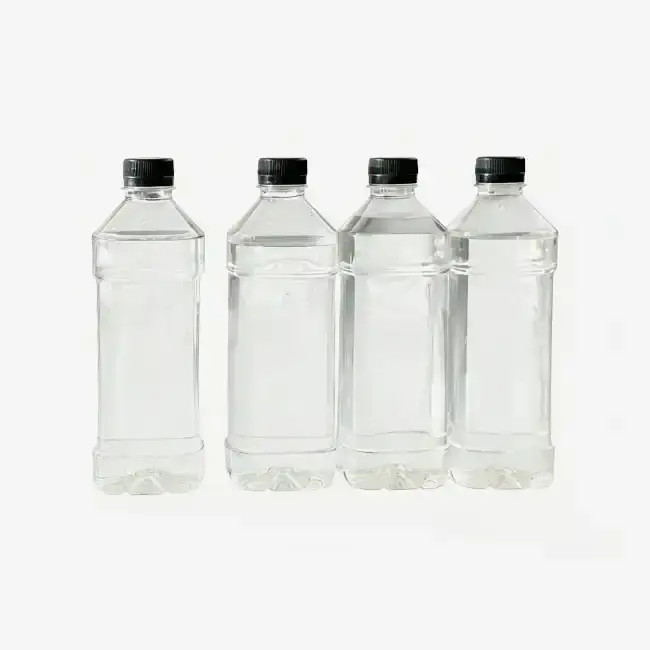
Advanced chemical engineering is used to make deicing solutions based on potassium acetate that solve these problems. At temperatures as low as -60°C (-76°F), this clear, colorless solution lowers the freezing point of water. This makes a shield that stops ice from sticking to the ground. Unlike older goods, acetate versions break down quickly without releasing harmful nitrogen compounds. They also keep sensitive aircraft parts from rusting and work well in a wider range of temperatures. When airports switch to this technology, they always report better safety measures, lower costs for equipment upkeep, and easier compliance with regulations.
Understanding Potassium Acetate Deicing Liquid
Chemical Composition and Working Mechanism
Potassium acetate (CH₀COOK, CAS No. 127-08-2) is made as a 50–60% strength solution that is designed to melt ice and keep surfaces from freezing. The molecular weight of 98.14 makes it easy to get through layers of snow and ice, and the specific gravity of 1.25 to 1.30 makes sure that the solution moves water around and breaks up existing ice.
Cryoscopic action is what makes deicing work. The solution breaks the hydrogen bonds that hold ice together at the molecular level, which changes the crystalline structure of the ice. This process happens quickly, even at high temperatures where chloride salts normally don't work. The pH range of 7.5 to 9.2 balances out acidic conditions and turns on rust inhibitors that protect aluminum alloys, magnesium parts, and carbon steel infrastructure that is common in airports.
Environmental and Safety Profile
Biodegradability sets potassium acetate apart from other options that can be problematic. The solution breaks down naturally with bacteria, but it doesn't make ammonia or any other harmful chemicals that are bad for marine environments. Biological Oxygen Demand (BOD) levels are still much lower than those of urea-based products. This makes stormwater treatment systems less busy and protects watersheds nearby.
The non-toxic profile makes handling and applying it safer for airport operations. The solution doesn't have a flash point, so there are no fire risks while it's being stored or used. People can use standard spray equipment to apply the product without needing any extra safety gear beyond what is required for handling chemicals safely. This makes operations run more smoothly during time-sensitive storm responses.
Comparing Potassium Acetate with Other Deicing Solutions
Performance Against Chloride Salts
Calcium chloride and magnesium chloride have been used for decades for winter upkeep, but because they are corrosive, they come with high hidden costs, unlike deicing liquid potassium acetate. Ions of chlorine target airplane aluminum alloys with great force. They also weaken concrete by spalling and scaling it, and they speed up the breakdown of rebar reinforcement. Over time, these effects add up, requiring pricey repair work that is far more than the initial savings from using cheaper deicing products.
These corrosion routes are blocked by liquids based on acetate. Full tests using ASTM F 483 (Total Immersion Corrosion) and ASTM F 1111 (Sandwich Corrosion) standards show that properly mixed potassium acetate doesn't damage materials much, even when exposed for a long time. This security makes equipment last longer, cuts down on downtime for fixes, and keeps runway surfaces and airplane parts structurally sound.
Advantages Over Glycol and Urea Products
Because they cause different problems, ethylene glycol and urea mixtures are not good for current airport operations. Glycols are very poisonous, need to be carefully contained to keep groundwater from getting contaminated, and don't work very well below -15°C. When urea breaks down, it releases ammonia, which is bad for the environment and makes water smell bad. It also contributes to eutrophication in receiving waters.
Potassium acetate keeps working better in cold weather, and it has been shown to work well at -29°C during active storms. The solution starts melting ice faster than urea, needs less of an application than glycol-based solutions, and meets the stricter rules that environmental agencies are putting in place for release. Total cost of ownership calculations always favor acetate solutions when environmental compliance, equipment protection, and the ability to work in a range of temperatures are taken into account.
Application Methods and Best Practices for Airport Use
Pre-Storm Anti-Icing Strategies
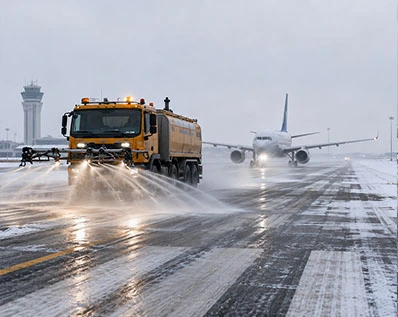
For airport winter operations, preventative application gives the best return on investment. Potassium acetate solution is put on runways and taxiways by tanker trucks with spray booms two to four hours before it's supposed to rain. This timing lets the solution cover the whole surface of the pavement evenly, forming a chemical barrier that stops the ice from forming molecular bonds with the base.
Application rates are usually between 50 and 100 gallons per lane mile, but they can be different depending on the temperature of the pavement, how much snow is expected to fall, and how it was treated in the past. Geographic Information Systems (GIS) and weather station data are combined in modern airport management systems to improve covering patterns and cut down on product waste. Infrared pavement monitors give real-time information about the state of the road surface and set off automatic alarms when friction coefficients get close to important levels.
Active Deicing During Winter Events
When ice builds up even though precautions have been taken, liquid potassium acetate lets you act quickly without the wait times that come with granular products. The low viscosity of the solution lets it go right through to the interface between the ice and the pavement, breaking up any ice that is stuck there and making it easier for snowplows and street sweepers to remove.
Based on the amount of ice and the temperature of the area, operators can change the percentage and application rates. Heavy buildups are best removed by hand first, then treated with liquid to keep them from freezing again. The solution still works on vertical surfaces like walkways, boarding bridges, and staging areas for ground support equipment, where regular deicers are hard to spread out evenly.
Storage and Handling Protocols
Proper storage of deicing liquid potassium acetate keeps the integrity of the product and makes sure it is ready to be used right away. Potassium acetate solution needs a building that is dry, well-ventilated, and has temperature control so that the pure product doesn't freeze and thaw. Stainless steel (304/316 types), high-density polyethylene (HDPE), and fiberglass tanks can all be used as storage. For long-term bulk storage, stainless steel or polymer tanks are better than carbon steel containers because the steel may lose some of its color over time.
Material Safety Data Sheets list handling instructions that stress not slipping—if the solution gets spilled, it makes warehouse floors slippery. To protect workers and keep the environment from being harmed, transfer operations should use closed systems with spill containment. System efficiency is kept up during major storms by checking storage tanks, transfer pumps, and application equipment on a regular basis.
Why Airports Prefer Potassium Acetate Deicing Liquid?
Proven Performance in Extreme Conditions
Acetate-based deicing systems have been shown to work reliably at major airports in cold climates. Airports say they were able to stay open during bad weather events that used to require longer closures. This means they were able to keep making money and improve their image for being able to stick to their schedules. Because the solution works at very low temperatures, it offers extra safety that chloride products can't match.
Testing for friction before and after treatment shows that potassium acetate applied correctly keeps the minimum friction coefficients needed by Federal Aviation Administration (FAA) rules. Controlling an airplane's speed stays the same on all treated surfaces, and pilots say they had better control when landing and taking off in the winter. These performance metrics help lower risks in ways that protect both passengers and airline partners.
Infrastructure Protection and Cost Savings
Damage caused by corrosion is one of the highest hidden costs of running an airport. Lighting systems, guidance equipment, ground power units, and specialized cars break down faster when they are exposed to chloride. Because potassium acetate is not corrosive, it extends the useful life of these important assets. This saves money on replacement costs and cuts down on emergency repairs.
Another big benefit is that the pavement stays in good shape. Concrete paths treated with acetate solutions have less surface damage than those affected by chloride, which need expensive repairs or rebuilding. Because the solution is safe for asphalt, it stops the stripping and raveling that can happen with harsh chemical deicers. Less patching is needed, and longer breaks between major rehabilitation projects are good for maintenance budgets.
Regulatory Compliance and Environmental Stewardship
Environmental rules about how airports can release rainwater have become much stricter across the United States. Potassium acetate makes it easier to follow the rules for the National Pollutant Discharge Elimination System (NPDES) by lowering the amount of biochemical oxygen demand (BOD) and stopping the release of harmful chemicals. Because the solution breaks down quickly, airports can meet discharge limits without having to build expensive secondary treatment facilities.
The move to acetate-based activities is good for community relations. It doesn't leave behind any unpleasant smells, doesn't leave much of a film on cars and planes, and doesn't have much of an effect on nearby plants and wildlife areas. Adopting acetate is seen as a tangible sign of environmental responsibility by airports that are committed to sustainability initiatives. This improves their reputation among stakeholders and regulatory agencies.
Procurement Insights for Potassium Acetate Deicing Liquid
Quality Standards and Certification Requirements
The industry standard for deicing fluids for runways and taxiways is SAE AMS 1435 (Society of Automotive Engineers Aerospace Material Specification), which should be used in procurement documents for deicing liquid potassium acetate (CAS NO.: 127-08-2). This standard sets performance factors, such as the freezing point, corrosion resistance, and contamination limits, that make sure that all providers make products that are the same.
The concentration levels (50–60% CH₃COOK), trace metal contents (iron ≤0.002%, lead ≤0.01%), and impurity limits (sulfate ≤0.05%, chloride ≤0.01%) must all be written down on technical data sheets. Analysis by a third-party laboratory gives these data objective confirmation. Manufacturers with ISO 9001 certification have quality management systems that can keep batches consistent with each other. Manufacturers with ISO 14001 and ISO 45001 certifications are committed to worker safety and protecting the environment.
Bulk Purchasing and Logistics Considerations
Airports should judge providers by how much they can produce, how much material they have, and how reliable their delivery is. Companies that make more than 150,000 tons of goods a year keep a spare stock that ensures supply during the winter, when demand is high. Lead times for standard formulations are usually between 5 and 7 working days, but you can get fast 24-hour delivery for products that are in stock.
You can choose between 1000L IBC (Intermediate Bulk Container) tanks, which can be moved with a forklift and directly connected to application equipment, or flexitank containers, which are the most efficient way to ship goods internationally. When a supplier offers more than one trade term (FOB, CIF, DAP), it's easier to find the best landing costs based on the location and the volume agreements. By building ties with experienced deicing liquid potassium acetate makers, airports can get personalized formulations, technical support, and service that is quick to respond to their needs.
Sample Testing and Performance Validation
Before signing contracts for a lot of products, buying teams should ask for examples to be tested by someone else. Laboratory research checks that the amounts of concentration, pH, and contamination levels are in line with what was asked for. Field tests on typical sections of pavement check the melting speed, the type of residue left behind, and how well it works with current application equipment.
Getting technical help from providers speeds up the approval process. Representatives who know about the local environment can suggest the best application rates, make suggestions for how to calibrate equipment, and train operations staff. This collaborative method lowers the risk of execution and makes sure that the switch to programs based on acetate leads to the expected performance gains.
Conclusion
Deicing liquid potassium acetate was chosen as a result of a strategic choice that matches short-term operating needs with long-term financial and environmental goals. The best freezing point depression, non-corrosive formula, and environmental suitability of the solution solve the most important problems airport owners face in the winter. Acetate-based programs provide a lot of value that goes beyond just chemical prices. They stop ice from forming, protect important infrastructure, and meet government requirements. Potassium acetate technology gives airports that care about operational success, protecting assets, and being environmentally responsible the performance base they need to keep winter operations safe and efficient while keeping total cost of ownership low.
FAQ
How does potassium acetate compare environmentally to traditional deicers?
Potassium acetate has a much smaller effect on the environment than chloride salts and urea molecules. The solution breaks down quickly through natural bacterial processes, leaving behind no harmful ammonia or long-lasting chemicals. Biological Oxygen Demand is still much lower than urea products, which means that ecosystems in receiving waters are not under as much stress. Chlorides build up in dirt and groundwater, but acetate breaks down into safe carbon dioxide and water. This makes it a good choice for airports that care about the environment.
What storage requirements ensure product stability?
The solution can be kept for an infinite amount of time in dry, well-ventilated storage in containers that are compatible with it. Chemical purity is kept safe by stainless steel and high-density plastic tanks that keep out contamination. The concentrated form of the product can withstand cold temperatures up to -60°C, but it is easier to work with when the storage temperature is above 0°C. After every two years, the pH and concentration must be recertified to make sure they keep working well. Best practices for storage include keeping materials that don't go together separate and using spill containment measures.
Can potassium acetate damage aircraft or ground equipment?
When potassium acetate is made correctly, it contains rust inhibitors that are made to protect airplane aluminum alloys, magnesium parts, and carbon steel ground equipment. ASTM F 483 and F 1111 testing shows that the rust rates are very low, well below the levels that damage the material. This is very different from chloride salts, which are very bad for metals and speed up the breakdown of parts. This is why acetate is the best choice for protecting expensive aviation assets.
Partner with SHANXI ZHAOYI CHEMICAL for Reliable Winter Operations
SHANXI ZHAOYI CHEMICAL has been making acetate for more than 30 years and can help airports that need reliable winter safety options. Our deicing liquid potassium acetate (CAS NO.: 127-08-2) is made to meet SAE AMS 1435 standards and has ISO 9001, ISO 14001, ISO 45001, KOSHER, and HALAL certifications that show it is always of high quality and doesn't harm the environment. We keep up a production capacity of 150,000 tons per year with smart inventory reserves. This way, even during busy winter months, your airport will always get supplies on time. As a reliable supplier of deicing liquid potassium acetate, you can email our technical team at sxzy@sxzhaoyi.com to get product samples, talk about custom formulations that are made for your climate, and look into competitive bulk purchasing options. You can find out more about how our tried-and-true solutions protect runways, keep infrastructure in good shape, and keep people going safely through the worst winter weather at zhaoyichemical.com.
References
1. Federal Aviation Administration. (2019). Advisory Circular 150/5200-30D: Airport Winter Safety and Operations. U.S. Department of Transportation.
2. Transportation Research Board. (2018). Evaluating the Performance of Airport Pavement Deicing Chemicals. National Academies of Sciences, Engineering, and Medicine.
3. SAE International. (2017). AMS1435: Fluid, Generic, Deicing/Anti-Icing Runways and Taxiways. Society of Automotive Engineers Aerospace Material Specification.
4. Environmental Protection Agency. (2020). Airport Deicing Effluent Guidelines and Standards. Office of Water, EPA-821-R-20-003.
5. American Society for Testing and Materials. (2021). ASTM F483: Standard Test Method for Total Immersion Corrosion Test for Aircraft Maintenance Chemicals. ASTM International.
6. Airport Cooperative Research Program. (2016). Synthesis 67: Airport Winter Safety and Operations. Transportation Research Board of the National Academies.

USER EVALUATE
Here is the customer's evaluation of us