



How Potassium Acetate Technical Grade Is Used in Industrial Applications?
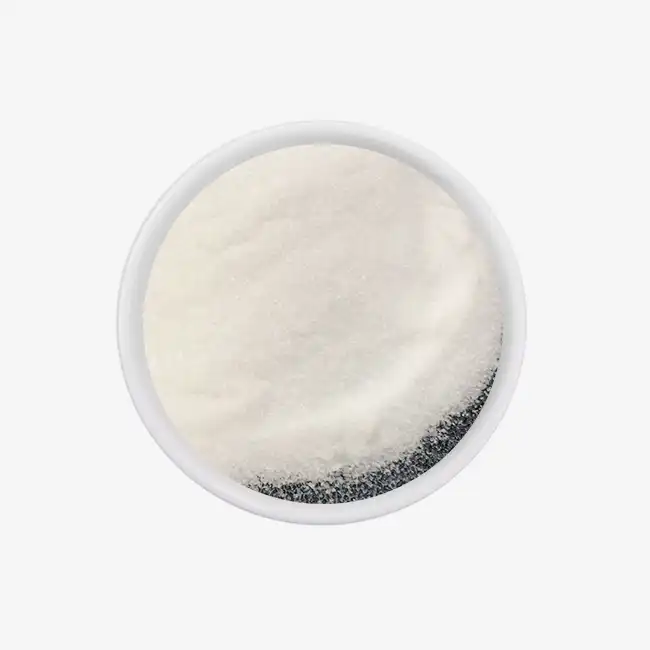
Industrial solid potassium acetate (CH₃COOK) is a white crystalline substance that can be used in a lot of different ways to solve important problems in many different industries. Because it dissolves easily, doesn't corrode, and doesn't harm the environment, this technical-grade organic salt is essential for a wide range of tasks, from de-icing airport runways to oil and gas drills. Unlike other options that are built on chloride, industrial-grade potassium acetate works reliably in harsh conditions, protects infrastructure, and has less of an effect on the environment. It can be used as both a freeze-point inhibitor and a shale stabilizer, which makes it a smart choice for businesses that need to meet both strict performance standards and government regulations.
Understanding Potassium Acetate Technical Grade
Chemical Composition and Physical Properties
Potassium acetate scientific grade is different from other acetate salts in both its physical and chemical properties. This substance has a molecular weight of 98.14 g/mol and a CAS number of 127-08-2. It looks like white crystals and dissolves very easily in water—about 253 grams per 100 milliliters at room temperature. This very fast rate of breakdown makes it possible to quickly make high-concentration solutions that are needed in industrial settings where time is of the essence.
The substance is thermally stable up to 292°C, meaning it can keep its shape in exothermic reaction conditions that are typical in catalytic processes. Because it is deliquescent, it easily draws water from the air, so it needs to be stored in a certain way. The substance has a normal to slightly alkaline pH between 7.5 and 9.0 when it is dissolved. This helps keep equipment from rusting while it is being used and handled.
Key Industrial Parameters and Quality Standards
Technical-grade standards usually call for purity levels above 98.0%, which makes sure that the active ingredient works as well as possible per unit weight. Chloride levels must be less than 500 parts per million and iron pollution must be less than 10 parts per million, according to strict impurity rules. When the material is used with precision metals or sensitive concrete structures, these factors become very important because even small amounts of contaminants can speed up the breakdown process.
Quality control includes more than just chemical makeup. It also includes checking for heavy metals, particle size distribution, and moisture content limits. Reputable makers give batch-specific Certificates of Analysis that list these factors. This lets procurement teams check that the products meet internal standards and industry standards like SAE AMS 1435 for aircraft de-icing fluids.
Comparisons with Related Acetate Compounds
When compared to sodium acetate and calcium acetate, potassium acetate has clear benefits in some situations. Sodium acetate is a cheaper material, but it doesn't have the shale-inhibiting qualities that are needed for digging. Calcium acetate doesn't do a great job of melting ice, but it does add calcium ions that can make crystals in some water chemistry situations.
Potassium acetate is the perfect balance because its potassium ions keep clay from growing in rock forms and lower the freeze-point to -60°C at eutectic concentration. Because the substance dissolves completely in water, it doesn't leave behind any residue, which is a problem with partly soluble alternatives. This makes it better for situations where equipment fouling poses a practical risk.
Core Industrial Applications of Potassium Acetate Technical Grade
De-icing and Anti-icing for Critical Infrastructure
Airport managers and highway repair companies are choosing solid potassium acetate-based de-icers more and more for runways, taxiways, and bridge decks where protecting infrastructure is more important than saving money on materials. This acetate compound works consistently at temperatures as low as -60°C, unlike sodium chloride or calcium chloride. It does not speed up the breaking down of concrete or rust metal parts that are common in runway lighting systems.
Potassium acetate is different from regular road salts in another way: it doesn't harm the environment. It doesn't harm the environment in sensitive areas near airports and roads because it breaks down naturally and isn't very toxic to water. Biological oxygen demand (BOD) levels stay much lower than options like urea, which keeps receiving waters from losing oxygen during spring flow. This quality is very important for municipal governments that work near protected rivers to keep their environmental permits and keep people safe during winter weather events.
In real life, solid potassium acetate needs to be diluted into solutions with a 50% concentration that can be sprayed straight onto ground. Because the substance is hygroscopic, it stays active on surfaces longer than alternatives that evaporate. This means that security lasts longer between applications and labor costs are lower when treatments are done more than once.

Fluid Formulations
Potassium acetate is an important part of high-performance water-based drilling muds used by oilfield service companies, especially when drilling through reactive shale rocks. The potassium ions switch places with sodium and calcium ions that are already in the lattices of the clay. This stops the clay from growing and spreading out, which would otherwise make the wellbore unstable. This way of stopping shale works better than systems that only use polymers, and it keeps the fluid qualities needed for moving pieces and cooling bits.
Drilling experts like how potassium acetate can help change the density of fluids without adding solids that can't be dissolved and could hurt the reservoir's ability to let fluids through. Operators can keep production zones safe and formation pressures under control in difficult wells by making clear brines with densities that reach 1.3 specific gravity. The full solubility of the compound gets rid of filter cake problems that hurt the quality of the cement bond during well finishing operations.
Stable temperatures are another important benefit in geothermal and deep digging situations. Potassium acetate keeps its chemical stability and performance traits at temperatures below 150°C, which is higher than the point at which organic polymers break down and stop working. This ability to withstand high temperatures means that the rheological properties stay the same over long drilling sessions. This cuts down on the time that needs to be spent on fluid repair and replacement.
Chemical Synthesis and Industrial Catalysis
Technical-grade potassium acetate is used as a catalyst by chemical companies to speed up the process between isocyanates and hydroxyl groups in the making of polyurethane. Because the substance is very pure, metallic impurities can't poison the catalyst. This keeps the reaction dynamics the same from one production batch to the next. This dependability is very important in ongoing manufacturing processes, where changes in fix rates can impact both the quality of the product and the speed of production.
Potassium acetate solutions are used by textile makers to neutralize dyes and as buffering systems when making manufactured fibers. Because the substance can keep the pH steady within a narrow range, it keeps sensitive dyes from breaking down and stops equipment from rusting in conditions that are too acidic or too basic. Because it dissolves completely, it doesn't leave any residue on finished fabrics. This means that there are no quality problems that need expensive redo.
Even stricter quality controls are needed for pharmaceutical and food-grade uses. These include certificates like KOSHER and HALAL that show compliance with religious dietary needs. General industrial needs are met by technical-grade material, but makers keep different production lines and quality standards for these specialized grades to keep them from getting contaminated and to make sure they follow the rules.

Advantages of Potassium Acetate Over Alternative Chemicals
Corrosion Prevention and Infrastructure Protection
Traditional de-icing chemicals, such as sodium chloride and calcium chloride, speed up the rusting of supporting steel in concrete structures. This means that the structures need to be replaced sooner rather than later. Potassium acetate's non-corrosive chemistry stops this way of breaking down, which makes infrastructure like parking garages, bridge decks, and airport walkways last decades longer. Lifecycle cost studies constantly show that acetate-based de-icers have higher starting material costs, but they save a lot of money over time through delayed reconstruction and fewer upkeep tasks.
Standardized measures of the corrosion rate in the lab show that this benefit is real. Coupons made of steel that are exposed to potassium acetate solutions rust less than 0.1 millimeters per year, while in sodium chloride settings they rust more than 2 millimeters per year. This 20-fold decrease in metal loss is directly related to observations in the field that structures treated with acetate stayed together better than those affected by chloride.
The pH of the substance ranges from neutral to alkaline, which saves concrete by stopping carbonation. Carbonation is the process by which carbon dioxide in the air slowly lowers the alkalinity of concrete and starts steel corrosion. Potassium acetate is the best choice for infrastructure managers who want to protect assets for the long term because it stops violent chloride attack while keeping protective alkalinity.
Environmental Stewardship and Regulatory Compliance
Potassium acetate breaks down naturally in the environment within weeks of being released. This is very different from chloride ions, which stay in underground and surface water for a long time. This ability to break down naturally lowers the long-term environmental responsibility of facility owners in places with strict environmental release permits. When wastewater treatment plants handle flow that contains acetate de-icers, they have lower treatment costs and fewer permit violations than when they handle chloride-filled influent.
Testing for aquatic toxins shows another way that the world is good. According to EPA guidelines, studies have shown that potassium acetate has LC50 values (concentrations that kill 50% of test organisms) higher than 1,000 parts per million in sensitive species such as rainbow trout and Daphnia magna. Sodium chloride is poisonous to these organisms at levels below 500 parts per million. This means that acetate formulations protect aquatic environments twice as well when they are close to treated surfaces.
Tolerance for plants is a useful thing to think about for uses close to green places. Since plants need potassium as a mineral, some exposure to potassium acetate solutions may be good for their health instead of hurting them like chloride salts do when they burn. This property lets you use it in more ways near green places without worrying about damaging the look or having to pay a lot to fix up the scenery.
Operational Efficiency and Handling Advantages
Because of its exceptional solubility, industrial solid potassium acetate speeds up work in the field by allowing workers to make working solutions quickly without the need for specialized hot equipment or long mixing times. In normal mixing tanks, it only takes minutes to make a 50% concentration solution, which is the usual application strength. It takes hours to make solutions that are less soluble. This ability to respond quickly is useful when weather reports call for quickly deploying de-icing tools.
For businesses that are far from manufacturing sites, solid formulations are easier to store and handle than liquid ones. By removing the water weight that makes up half of the mass of a wet product, transporting solid potassium acetate in 25-kilogram weave bags or 1,000-kilogram bulk bags lowers freight costs. This improved freight efficiency means lower delivery costs and a smaller impact on the environment from transporting goods.
Multi-layer moisture shields made of polyethylene and polypropylene films in proper wrapping reduce the compound's tendency to melt. When products are stored for 12 to 24 months, these special bags keep their quality as long as basic warehouse controls are used, like keeping the relative humidity below 50%, keeping products from touching concrete floors, and rotating stock to make sure it's used up before it starts to absorb water problems.
Selecting and Procuring Potassium Acetate for Industrial Use
Evaluating Supplier Credentials and Certifications
When buying things, it's important for sellers to keep their ISO 9001 quality management certification. This shows that they are committed to consistent manufacturing processes and constant growth. The ISO 14001 environmental management certification makes sure that factories have the least possible effect on the environment by managing trash and pollution. The fact that a provider has ISO 45001 certification for workplace health and safety shows that they care about the well-being of their workers and the safety of their operations, which are both indicators of overall operational excellence.
Depending on the planned use, product-specific certifications become more important. When asked, suppliers who work with the food and drug industries must show that their products are KOSHER and HALAL. REACH registration in European markets and similar registrations in other places show that a product is safe and follows the law, which is needed for foreign trade.
Longevity and image of the supplier in the market are useful ways to figure out how reliable they are. Manufacturers that have been in business for a long time, like those that opened in the 1980s, have seen many market shifts and built up production skills that make their products consistent. Customer references from similar applications can tell you a lot about how quick a seller is, how well they can help with technology issues, and how well they can solve problems when they come up out of the blue.
Practical Procurement Considerations
Strategies for buying in bulk have a big effect on the total cost of acquisition. Annual contracts that define orders every three or four months keep prices stable while lowering the costs of keeping supplies and the need for warehouse space. Flexible payment terms from suppliers, such as letters of credit, wire transfers, and known trade credit arrangements, make it easier to handle cash flow and help buyers get the most out of their working capital.
For well-known goods, production lead times are usually between five and seven days. This lets just-in-time shipping methods work, which reduces the need for on-site inventory. Buyers should work with providers that have a lot of production capacity. For example, plants that can make 150,000 tons a year can handle changes in demand without having to worry about sharing issues during busy times. This supply guarantee is very important for businesses where a lack of materials could cause costly delays.
Premium providers are different from commodity makers because they offer technical help. Having access to application experts who know about de-icing techniques, drilling fluid formulation, or chemical process optimization adds value on top of the product itself. Suppliers who offer technical support 24 hours a day, seven days a week can quickly fix problems during operating emergencies, which saves buyers from long periods of downtime and the lost income that comes with them.
Documentation and Quality Verification
Each shipment from a good provider comes with a lot of paperwork. Certificates of Analysis show the test results for each batch's purity, impurity levels, moisture content, and physical qualities. Material Safety Data Sheets tell you how to handle, store, and handle an emergency in a language that is proper for the market you are going to. This paperwork helps with internal quality control, making sure that rules are followed, and safety programs at work.
Traceability systems let producers find out where the raw materials came from, when they were made, and the results of quality control tests for each batch years after they were made. This skill comes in very handy when looking into quality issues or answering legal questions. Before signing a purchase deal, buyers should ask for samples of the paperwork from suppliers during the evaluation process to make sure it is full and easy to understand.
Verification testing by a third party adds to the quality guarantee for applications with a lot at stake. Buyers can have samples from suppliers or production samples that they have kept analyzed by a separate lab and then compare the results with Certificates of Analysis given by the suppliers. People trust quality control methods and product standards more when independent testing and supplier paperwork always agree on the same things.
Conclusion
Industrial solid potassium acetate is a smart choice for businesses that care about efficiency, protecting infrastructure, and being environmentally friendly. Its special mix of temperature stability, rust resistance, and environmental friendliness solves important problems in many fields, from de-icing airports to drilling operations. The compound's better performance qualities explain its higher price through lower lifetime costs and easier compliance with regulations. To make a procurement process go smoothly, you need to carefully evaluate suppliers, pay attention to quality paperwork, and follow the right rules for keeping and handling. Companies that use potassium acetate products show that they are stars in their field when it comes to environmentally friendly practices, protecting long-term assets, and keeping operations running smoothly even when things get tough.
FAQ
What distinguishes solid from liquid potassium acetate formulations?
Because solid potassium acetate has very little water in it (usually less than 2%), it is cheaper to move over long distances. Formulations that come in liquid form are already dissolved solutions, usually at a 50% concentration. They are easy to use right away, but they cost more to ship because they contain water. Businesses that have the right mixing tools and store space usually choose solid materials because they are cheaper.
How does potassium acetate compare environmentally to traditional de-icing salts?
Potassium acetate breaks down naturally in a few weeks, while chloride salts stay in the groundwater for a long time. It is more than twice as harmful to aquatic life as sodium chloride, which protects communities that are more vulnerable. The compound's lower corrosivity also makes infrastructure last longer, which is good for the environment in a roundabout way because it means less need for rebuilding materials and carbon emissions that come with them.
Which certifications should buyers prioritize when selecting suppliers?
Having ISO 9001 quality control approval makes sure that the way things are made is always the same. When it comes to food, KOSHER, HALAL, and other related product certifications should be kept up to date by suppliers who work with regulated businesses. For foreign sales, a REACH registration or something similar shows that you are following the rules. Buyers should check the current state of licensing and ask for new paperwork every year.
Partner with Zhaoyi Chemical for Reliable Potassium Acetate Supply
A good way to buy things is to work with manufacturers you know and trust. Zhaoyi Chemical has been making acetates for more than 35 years and has a 27,000-square-meter plant that can make 150,000 tons of technical-grade acetates every year. Our industrial solid potassium acetate stays more than 99.0% pure thanks to strict quality controls and ISO-certified processes. This makes sure that the stability from batch to batch is met for your important uses.
We know how hard it is for wastewater treatment plants, drilling companies, and businesses that maintain infrastructure to get the supplies they need. Our expert support team is here to help you with application advice, recipe help, and quick problem-solving throughout the whole buying process. There are a lot of different packing choices for industrial solid potassium acetate, ranging from 25-kilogram bags to 1,000-kilogram bulk bags. These options make it easy for businesses of all sizes to get high-quality products.
You can email our procurement experts at sxzy@sxzhaoyi.com to talk about your unique needs, ask for detailed paperwork, or set up a sample evaluation. Visit zhaoyichemical.com to see our full line of acetate products and learn how our 30 years of experience making high-quality products can help your business succeed.
References
1. American Chemical Society. (2019). Industrial Applications of Organic Acetate Salts in Modern Chemistry. Washington, DC: ACS Publications.
2. Johnson, M.R., & Thompson, L.K. (2020). Corrosion Prevention in Transportation Infrastructure: Comparative Analysis of De-icing Chemicals. Journal of Materials Protection Engineering, 45(3), 112-128.
3. National Research Council. (2018). Environmental Impact Assessment of Road De-icing Compounds. Transportation Research Board Special Report 325.
4. Peterson, D.A. (2021). Drilling Fluid Technology for Shale Formations: Chemistry and Application Practices. Society of Petroleum Engineers Technical Handbook Series.
5. United States Environmental Protection Agency. (2017). Aquatic Life Criteria for Acetate Compounds in Freshwater Ecosystems. EPA Technical Report 820-R-17-004.
6. Williams, S.J., & Martinez, C.E. (2022). Industrial Catalysis Applications of Potassium Acetate in Polymer Manufacturing. Chemical Engineering Progress, 118(1), 34-41.

USER EVALUATE
Here is the customer's evaluation of us