



Potassium Acetate Adds Flexibility to Drilling Muds
When drilling workers and oilfield service companies have to keep wellbore stability in reactive shale formations, drilling solid potassium acetate comes up as a flexible option that solves a number of practical problems at once. This very pure organic salt stops rock from forming, makes drilling fluids more lubricating, and lowers the freezing point without the environmental problems that come with chloride-based systems. When compared to pre-mixed liquid brines, the solid form dissolves quickly in water-based muds. This lets field engineers control the specific gravity more precisely while lowering the cost of shipping.
Understanding Drilling Solid Potassium Acetate and Its Role in Drilling Muds
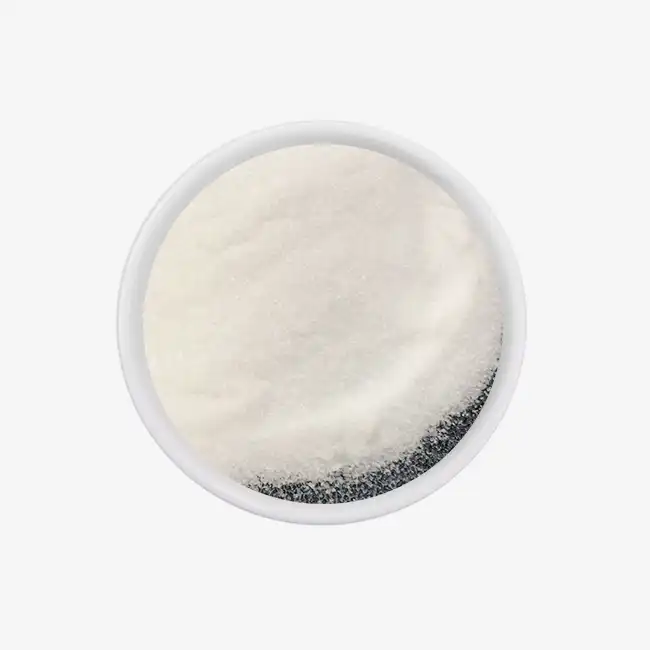
Understanding the science behind this additive helps us understand why it is so important in modern drilling operations. This white crystalline substance has a molecular formula of CH₃COOK and a molecular weight of 98.14. It dissolves quickly in water, acids, and alcohols, which makes it very compatible with many types of drilling fluids. When potassium ions are added to water-based muds, they interact with the surfaces of clay minerals through cation exchange processes. This reduces the space between the layers that causes clay to swell in a bad way.
Chemical Properties That Matter for Drilling Applications
In order to do their job, drilling activities need additives that keep working well in harsh situations. Premium drilling solid potassium acetate from well-known companies usually has to meet strict requirements, such as having a content purity of ≥99.0%, chloride levels kept at ≤0.2%, and iron levels kept at a minimum (≤0.05%). These factors have a direct effect on how well drilling fluid works. Low chloride level keeps downhole tools from rusting, which makes drill strings and casing last longer. The crystalline structure makes sure that the rates of breakdown are always the same. This lets mud engineers get fluid qualities that they can count on during mixing.
The chemical works as both a rock stabilizer and a rheology enhancer. Adding this acetate salt to drilling solutions has been shown in the lab to lower the friction coefficient by more than 30%. This means that less power is needed and the equipment wears out less quickly. Potassium ions are better at getting through reactive clay formations than sodium-based options. They do this by making a chemical shield that stops water from getting in and damaging the wellbore.
Environmental Advantages Over Conventional Drilling Additives
In the United States, rules about environmental impact for both land and offshore fishing have become stricter. Many places don't allow traditional chloride-based systems because they are worried about polluting waterways and dirt. Potassium acetate is a recyclable option that works just as well and doesn't affect the environment. The organic acetate part breaks down naturally in nature, which means that drilling operations leave less of an impact on the environment over time.
This is especially helpful for operators who work in places that are sensitive to the environment. Compared to synthetic oil-based muds or heavy metal-containing additives, the substance is less toxic, which makes trash handling easier. Getting rid of used drilling fluids that contain potassium acetate usually only needs a few cleaning steps. This lowers both operating costs and the work needed to follow regulations.
Preparation, Handling, and Safety of Potassium Acetate Drilling Fluids
The success of using any drilling fluid addition relies on following the right steps for preparation and safety rules. To get the most out of potassium acetate systems while keeping things safe on the job, people working in the field need clear instructions on how to mix them, how to store them, and how to handle hazards.
Step-by-Step Mixing Procedures for Optimal Fluid Properties
To make drilling solutions with drilling solid potassium acetate, you must first figure out the concentration that is needed based on the conditions downhole. Engineers who work with mud usually try to get potassium ion levels between 3% and 8% by weight. This depends on how reactive the open shale layers are. It is best to add the solid material slowly to the base fluid in the mixing bin, waiting for each addition to fully dissolve before adding more. This stops localized supersaturation, which could cause short-term increases in viscosity.
During dissolution, agitation devices should run at modest speeds. Too much shear can pull air into the fluid, making foam that makes it hard to get correct density readings and hurts the performance of the fluid downhole. Once the desired percentage is reached, the prepared mud should be cycled through the system at least once before drilling starts again. This will make sure that the acetate is evenly spread throughout the active volume.
As part of quality control, fluid traits are tested right away after mixing. It is important to check the specific gravity, pH, viscosity, and fluid loss properties against the design specs. Ion-selective sensors or titration methods can be used to prove the concentration of potassium ions. These checks stop expensive drilling problems that happen when fluids aren't mixed right.
Storage and Handling Best Practices
The solid product comes in packaging that is made to keep its clarity while it is being stored and handled. Standard packaging choices include 25 kg plastic woven bags that are easy to move around on drilling rigs with limited store room and 1000 kg ton-bags for large-scale operations where it is cheaper to send in bulk. In both forms, the product is kept from getting wet, which could cause it to harden and lose its ability to dissolve.
Storage areas should be dry, well-ventilated, and away from sources of heat and materials that don't go together. The product is chemically stable at room temperature, but it should be kept away from moisture as much as possible to keep its free-flowing properties. Standard chemical storage rules say that potassium acetate should be kept away from burning agents and dangerous chemicals. Cross-contamination events that could lower the quality of a product or pose a safety risk can be avoided with proper separation.
Transporting the solid product follows the rules for moving chemicals in general. During transport, the material is not as dangerous as many drilling poisons. When properly packed, it doesn't need any special markings to be transported by road in the United States. This makes the rules easier to understand, which makes it easier for drilling contractors to manage chemical supply lines at various well sites.
Environmental Disposal and Regulatory Compliance
It's easier to get rid of used drilling fluids that contain potassium acetate than many other types. Because the organic part is biodegradable, it can be treated using biological degradation routes at sites that are allowed for waste removal. Many places let properly handled acetate-based drilling waste be spread on the ground as an alternative to permanent landfilling. This way of getting rid of the waste gives nutrients to the soil.
The chemical is not harmful to aquatic life, which is good for contractors working abroad. In many offshore places, discharge rules allow the release of fluids containing acetate as long as the right tests show that the concentration levels have been met. This legal freedom can cut disposal costs by a large amount compared to systems that need all drilling waste to be contained and transported onshore.
The documentation needs for environmental regulations are still easy to understand. Certificates of Analysis and Material Safety Data Sheets give the details needed for regulatory reports. Manufacturers with strong quality management systems provide thorough paperwork that makes applying for permits and regulatory checks easier.
Procurement Considerations for Drilling Solid Potassium Acetate
To find the best provider for drilling solid potassium acetate, you need to carefully consider more than just unit price. For a project to be successful in the long term, it needs to have stable supply lines, regular product quality, and expert help that can deal with problems in the field as they come up.
Supplier Qualification and Certification Requirements
Professionals in charge of buying things should check that possible suppliers have quality certifications that are known around the world. Getting ISO 9001 approval shows that you are committed to managing quality in a planned way throughout the whole manufacturing process. Environmental management standards like ISO 14001 give customers peace of mind that production processes are environmentally friendly and follow all environmental laws. Occupational health and safety standards, such as ISO 45001, show that companies care about the safety of their workers and keep their factories safe.
Manufacturers that work with more than one industry usually have more specialized licenses. When suppliers make both food-grade and industrial-grade potassium acetate in the same buildings, they need to show that they follow strict processes to keep both types of potassium acetate from getting contaminated. This is when KOSHER and HALAL certifications become useful. These extra qualifications are often linked to better quality standards across all of the manufacturer's operations.
Another important qualification factor is traceability systems. For each shipment, suppliers should give full batch paperwork that keeps track of raw materials, production factors, and quality test results. This paperwork is very important if problems happen in the field that need to be looked into in terms of product qualities. Since everything can be tracked back to its source, any changes in quality can be found quickly and fixed before they affect other digging activities.
Geographic Distribution and the Dependability of the Supply Chain
The US market for drilling chemicals depends on both chemicals made in the US and chemicals brought in from well-known manufacturing areas. Suppliers with a wider range of locations offer more supply security than makers with only one site. Companies like Zhaoyi Chemical, which has been making things for more than 30 years and can make more than 150,000 tons of goods every year, have the size and reliability to build stable long-term supply relationships.
Cost and delivery dependability are both affected by the transportation infrastructure that links production sites to major digging areas. When there is a lot of demand, suppliers who already have logistics partnerships in place can offer cheap freight rates and sure shipping space. When field conditions use up chemicals faster than expected, costly drilling delays can be avoided by being able to supply quickly when needed.
Different sellers use different ways to handle their inventory. Some keep a large safety stock that lets them fill orders quickly, while others use "just-in-time" methods that keep costs low but may make wait times longer. Drilling companies should make sure that the way their suppliers handle inventory fits with how they run their businesses. They should weigh the cost of doing this against the chance of supply interruptions.
Bulk Purchasing Strategies and Technical Support Services
When you commit to a certain volume, you can often get better price structures that make the job more profitable. By negotiating yearly supply deals with set deliveries, you can keep prices stable and make sure that supplies are distributed when the market is short. When you buy in bulk, you can also get personalized packing solutions that make it easier to handle at certain drilling sites, like pallet configurations made for specific storage facilities.
Superior sellers are different from commodity chemical vendors because they can offer better technical help. When solving problems in the field or making sure that fluid formulations work best in unusual downhole situations, having access to skilled application engineers who understand the chemistry of drilling fluids is very helpful. When suppliers give expert support 24 hours a day, seven days a week with quick responses, they become more than just suppliers; they become partners in the success of your business.
Full help services go beyond just talking on the phone. Leading suppliers offer free tests in the field, help with formulating, and thorough application advice that is tailored to each site's geological conditions. Support for multiple languages in paperwork, such as Material Safety Data Sheets and Certificates of Analysis in languages other than English, makes it easier for foreign drilling contractors to do business in the US.
Maximizing Drilling Efficiency with Potassium Acetate: Performance Optimization
Operational excellence in drilling operations requires continuous optimization of fluid properties to match changing downhole conditions. Potassium acetate systems let you deal with common performance issues while keeping the wellbore stable and safeguarding pricey machinery.
Resolving Mud Stability and Shale Inhibition Challenges
Most drilling troubles in the big U.S. areas are caused by reactive shale formations. Clay minerals in these rocks quickly dissolve when mixed with regular water-based muds. This leads to wellbore expansion, pack-offs, and pipe incidents that get stuck, which stop operations and raise costs. Acetate chemicals provide potassium ions that move through the clay layers, meeting the water potential and stopping the wellbore from expanding and becoming unstable.
Proper drilling solid potassium acetate concentration proves critical for effective shale stabilization. Formations can be damaged by water if they aren't treated properly, and too much of it wastes resources without making them work better. Using real formation samples in the lab for compatibility tests helps figure out the best treatment amounts to use before they are put into the field. A lot of providers offer analytical services that compare core samples to different amounts of acetate. This creates data that helps fluid designers make decisions.
Monitoring the qualities of the fluid in real time while drilling lets the process be improved on the fly as the bit moves through different layers. Continuous measures of density, viscosity, and ion ratios are made by automated testing equipment, which lets mud engineers know when changes need to be made. Adding controlled amounts of acetate to keep the potassium ion levels stable stops the fluid property shift that often leads to drilling problems.
Corrosion Control and Equipment Protection Strategies
The organic acetate anion naturally stops rust, which keeps steel parts safe during the whole drilling assembly. Acetate-based fluids usually have good corrosion rates without any extra treatment, while chloride systems need extra chemicals to stop corrosion. This chemistry simplicity makes the mixture simpler and gets rid of the chance that different additive packages won't work together.
Wells with high temperatures are especially hard to keep rust from happening. Many rust agents break down and stop working when temperatures go above 250°F. Because potassium acetate keeps its safe properties even at high temperatures, it can be used in deep wells where other additives don't work. Field data from operations on the Gulf Coast shows that acetate systems have much lower rates of tube erosion than chloride-based systems that work at the same temperatures and pressures.
Protocols for regular inspections and tests make sure that rust protection stays effective during drilling operations. Coupons for rust that are mixed in with the active fluid system give exact numbers on how fast corrosion happens in real-world situations. If a coupon study shows that too much metal is being lost, changes to the fluid chemistry can be made to fix the problem before the damage to the equipment gets bad enough that it needs expensive repairs or replacement.
Future Trends in Sustainable Drilling Fluid Technology
Pressures from the environment are continuing to change drilling fluid technology in order to make it more environmentally friendly. Potassium acetate fits in well with these trends because it is recyclable and doesn't hurt the earth much. Researchers are still working on making the acetate system work as well as or better than synthetic oil-based muds. This could mean that petroleum-based drilling fluids don't need to be used at all in areas that are sensitive to the environment.
Nanotechnology uses are a new area of growth in drilling fluids. Scientists are looking into adding nanoparticles that work better with potassium acetate to stop rock formation and make wellbore stability stronger. These mixed systems might work better while still having the environmental benefits that make acetate chemistry appealing for green businesses.
Digital technologies are making it easier to predict and improve the qualities of drilling fluids. Machine learning algorithms look at old drilling data to find connections between fluid properties that improve entry rates while reducing the amount of time that can't be used for drilling. As these analysis tools get better, they will help with the exact use of additives like potassium acetate. This will make drilling operations more efficient while also cutting down on the amount of chemicals used and waste made.
Conclusion
In conclusion, when it comes to drilling, drilling solid potassium acetate is very useful because it has a unique mix of technical ability, environmental harmony, and economic value. This crystalline addition solves several operational problems within a single chemical system. It stops shale from forming in reacting rocks and keeps operations from freezing in the Arctic. It's helpful for procurement teams to know the advantages of one addition compared to others, how to handle it properly, and the criteria for qualifying suppliers that ensure stable long-term supply relationships. As drilling operations are put under more and more pressure to be more efficient and better for the environment, acetate-based fluid systems help workers meet both of these goals. As drilling fluid technology keeps getting better, new uses and ways to make things work better are being found that take advantage of this proven additive's benefits.
FAQ
How does potassium acetate compare to potassium chloride for environmental impact?
Potassium acetate is much better for the earth than chloride-based options. The organic acetate part breaks down naturally when microbes work on it in dirt and water. Chloride ions last forever and build up in environments, making the dirt saltier and the water more toxic. More and more, regulatory agencies are limiting the release of chloride in offshore fishing areas. On the other hand, acetate systems are often allowed for limited release after being diluted properly. Because acetate formulas are less corrosive, they also reduce the amount of equipment waste. This is because downhole tools that last longer mean that less waste is made when replacing parts.
What certifications should buyers verify when selecting a drilling solid potassium acetate supplier?
Buyers who care about quality should make sure that suppliers keep their ISO 9001 approval for quality management systems. This shows that the suppliers follow consistent manufacturing processes and product standards. Environmental standards, such as ISO 14001, show that a company is using responsible production methods that have a small effect on the environment. Manufacturers that work with the drilling industry as well as the food and drug industries often have KOSHER and HALAL licenses. This means that they follow strict rules for contamination control that also help industrial goods. Complete batch tracking paperwork and following the rules for sending chemicals internationally give you even more trust in the reliability of the provider of drilling solid potassium acetate and the quality of the product.
Partner with Zhaoyi Chemical for Superior Drilling Fluid Solutions
Zhaoyi Chemical has been making acetate for more than 30 years and can help your drilling activities with high-quality drilling solid potassium acetate. Our factory can consistently make 150,000 tons of goods every year, so we can reliably serve projects of any size. Along with KOSHER and HALAL approvals, we have ISO 9001, ISO 14001, and ISO 45001 standards, which show that we care about quality and the environment. Technical support teams are available 24 hours a day, seven days a week, and they can respond within two hours to help your experts find the best fluid mixtures for the conditions in the ground. Email our drilling fluid experts at sxzy@sxzhaoyi.com to talk about your needs, get product samples, or get full technical information. As a well-known provider of drilling solid potassium acetate, we offer reliable quality, cost-effective shipping, and the expert support your operations need. You can look at our full line of acetate products designed for tough drilling conditions at zhaoyichemical.com.
References
1. Mitchell, R.F. & Miska, S.Z. (2011). Fundamentals of Drilling Engineering. Society of Petroleum Engineers, Richardson, Texas.
2. Caenn, R., Darley, H.C.H., & Gray, G.R. (2017). Composition and Properties of Drilling and Completion Fluids, 7th Edition. Gulf Professional Publishing, Houston, Texas.
3. American Petroleum Institute (2017). API Specification 13A: Specification for Drilling Fluid Materials, 18th Edition. API Publishing Services, Washington, D.C.
4. Hale, A.H. & Mody, F.K. (1993). "Experimental Investigation of the Influence of Chemical Potential on Wellbore Stability." SPE Drilling & Completion Journal, Volume 8, Issue 3, pp. 207-216.
5. Van Oort, E. (2003). "On the Physical and Chemical Stability of Shales." Journal of Petroleum Science and Engineering, Volume 38, Issues 3-4, pp. 213-235.
6. Hodder, M.H. & Popplestone, A. (1996). "Formate Brines for Drilling and Completion: State of the Art." SPE Annual Technical Conference Proceedings, Denver, Colorado, Paper SPE 36424.

USER EVALUATE
Here is the customer's evaluation of us