



How to Choose Liquid Potassium Acetate for Snow Removal Operations?
Winter maintenance operations demand reliable, effective deicing solutions that protect both infrastructure and the environment. Selecting the right snow melting liquid potassium acetate (CAS NO.: 127-08-2)requires understanding its chemical properties, performance characteristics, and operational benefits. This colorless, slightly acidic liquid (CH3COOK, CAS 127-08-2) delivers exceptional freezing point depression to -35°C while maintaining corrosion rates of ≤0.03g/m²·h on carbon steel. Unlike traditional chloride-based salts that damage concrete and steel rebar, this acetate-based formulation provides immediate snow melting action—achieving 85% efficiency within one hour at -25°C—making it the preferred choice for airports, bridge decks, and sensitive commercial properties where material compatibility and environmental safety cannot be compromised.
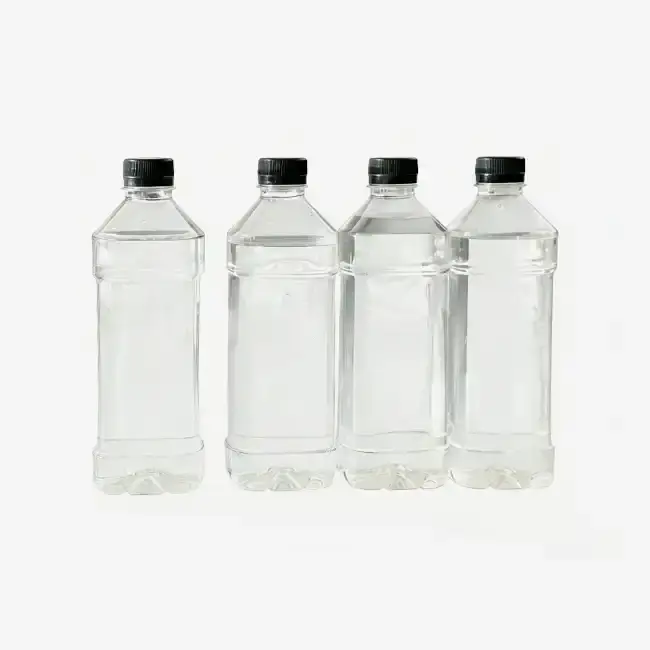
Understanding Liquid Potassium Acetate and Its Role in Snow Removal
There is more to the chemistry of deicing than just lowering freezing points. Modern operations need solutions that protect assets, improve speed, and be good for the environment.
Physical and Chemical Properties That Matter
Potassium acetate solutions usually have between 50 and 60% active ingredient content. This makes a eutectic mixture that stays flexible at very high and very low temperatures. The molecular weight of 98.14 and specific gravity of 1.25 to 1.29 at 20°C make sure that the density is right for penetrating the surface. When this liquid form comes in touch with snow or ice, it starts to dissolve right away, unlike solid deicers that take time to work. The buffered pH range of 7.5 to 9.2 actively protects metal surfaces while keeping biodegradability above 95%, which meets the NPDES guidelines for environmental discharge.
Application Advantages Across Critical Infrastructure
The main area where AMS 1435 needs to be followed for safety reasons in flight is airport activities. For runway and sidewalk treatments to work, they need to use chemicals that keep airplane landing gear, brake systems, and metal bodies from rusting and make sure that no foreign object debris is created. Fixed Automated Spray Technology systems work well with bridge infrastructure because the fluid format works well with high-pressure jets that are managed by sensors. Because there is no protection below, these important buildings freeze faster than roads, so they need reliable liquid deicers. Acetate-based solutions are used to keep pedestrians safe on commercial properties like hospitals, colleges, and corporate campuses. These solutions don't damage valuable greenery or cause concrete to crack in parking structures.
Environmental Compliance and Sustainability
Biodegradable deicing formulas such as snow melting liquid potassium acetate are increasingly being adopted to meet stricter regulatory requirements and corporate sustainability goals. The low Biological Oxygen Demand and Chemical Oxygen Demand characteristics of snow melting liquid potassium acetate help ensure that runoff has minimal impact on plants, waterways, and surrounding ecosystems. The heavy metal content of snow melting liquid potassium acetate is carefully controlled, with levels of lead, mercury, and cadmium maintained well below environmental safety limits. Compared with traditional rock salt, snow melting liquid potassium acetate reduces damage to vegetation, minimizes groundwater contamination risks, and supports more environmentally responsible winter maintenance practices. By lowering ecological impact and reducing potential liability associated with long-term environmental damage, snow melting liquid potassium acetate provides a sustainable solution for roads, airports, and other critical infrastructure requiring effective ice control. The environmental advantages of snow melting liquid potassium acetate make it an ideal choice for organizations seeking reliable deicing performance while maintaining strong commitments to sustainability and environmental protection.
Critical Factors to Consider When Choosing Liquid Potassium Acetate
When making procurement decisions, people have to find a balance between performance needs, operational limitations, and following the rules. Knowing the technical details of a product helps you match its features to its intended use.
Performance Metrics and Temperature Range
The operational success depends on how well the melting works in the real world. High-quality formulations work the same way at all temperatures, and they have been shown to work well as low as -30°C. The freezing point decline is directly related to the percentage of the active ingredient. Solutions with 50% active ingredient reach freezing points of about -35°C, while solutions with higher concentrations work better in harsh climates. Another important metric is the rate at which the snow melts. Products that show 85% or more efficiency within one hour at -25°C provide the quick response needed for high-traffic infrastructure. To make sure that the performance claims are accurate in real life, testing methods should be based on real-life situations instead of ideal lab circumstances.
Purity Standards and Chemical Composition
Controlling impurities keeps equipment from breaking and keeps performance stable. Chloride levels must stay below 0.01% to keep the non-corrosive properties that make this salt more expensive than other salts. Iron levels higher than 0.002% can stain concrete and speed up the rusting process in storage tanks and application equipment. If the sulfate amount is higher than 0.05%, it may cause the concrete to break down over time. Even small amounts of arsenic and heavy metals in the environment can cause problems with following rules and could lead to violations of release permits. Reliable manufacturers include detailed certificates of analysis with every shipment, which lets you check that the purity levels they claim to be at are real.
Safety Documentation and Regulatory Compliance
Safety Data Sheets provide essential information about the handling, storage, and emergency response procedures for snow melting liquid potassium acetate. These documents explain the appropriate personal protective equipment (PPE), spill control methods, and compatibility requirements with commonly used materials to ensure the safe application of snow melting liquid potassium acetate. Material Safety Data Sheets further support safety management by providing details about transportation requirements and proper waste disposal methods for snow melting liquid potassium acetate. Obtaining quality certifications such as ISO 9001, ISO 14001, and ISO 45001 demonstrates a supplier’s commitment to quality management, environmental protection, and occupational safety standards for snow melting liquid potassium acetate production and distribution. Although KOSHER and HALAL certifications are primarily associated with food-grade applications, they also indicate strict manufacturing controls and consistent quality assurance processes. Aviation-related specifications, including AMS 1435, establish recognized performance requirements for airport deicing applications using snow melting liquid potassium acetate. By meeting these certifications and industry standards, snow melting liquid potassium acetate suppliers can provide reliable products with verified safety, quality, and operational performance for demanding winter maintenance applications.

Comparing Potassium Acetate With Other Deicing Solutions
Knowing what other choices are available helps you decide whether to spend in high-end acetate-based formulations or cheaper ones.
Acetate Variations and Performance Differences
The cost of sodium acetate is cheaper, but it needs to be applied more often to have the same effect. Calcium acetate protects against corrosion to a moderate degree, but it loses some of its effectiveness at very high or very low temperatures. Potassium acetate lowers the freezing point better than other options and keeps the fluid's properties at lower temperatures. The potassium ion can also be used as fertilizer if it is spread near grassy areas. This turns a possible damage to the environment into a good thing that delivers nutrients. When tested at different temperatures, potassium acetate consistently performs better than other formulas below -20°C, where they are less effective.
Cost-Benefit Analysis Beyond Purchase Price
Protecting infrastructure has big long-term benefits that make up for the higher costs of materials. Deicers that contain chlorine have been shown to damage concrete through freeze-thaw cycles and steel support through electrolytic corrosion. The cost of fixing things like redoing bridge decks, fixing up parking structures, and replacing equipment is much higher than the price paid for materials that don't corrode. Application cars and holding tanks last longer when they wear out less quickly. The costs of cleaning up groundwater pollution or removing invasive plants are extra costs that come with common deicing products. When protecting infrastructure and following environmental rules are correctly valued, total cost of ownership calculations always support potassium acetate.
Supplier Evaluation and Quality Assurance
A brand’s reputation can provide an initial level of confidence, but further evaluation is necessary to verify the actual performance of snow melting liquid potassium acetate. Manufacturers with decades of experience producing acetate solutions, including companies established since 1988 with annual production capacities exceeding 150,000 tons, often have the manufacturing scale, technical expertise, and quality control systems needed to deliver consistent snow melting liquid potassium acetate. Production facility certifications demonstrate a commitment to maintaining strict quality standards throughout the manufacturing process. Real customer case studies from similar applications provide valuable evidence that snow melting liquid potassium acetate can achieve reliable results under practical operating conditions. The technical support offered by experienced suppliers is another key factor that distinguishes high-quality snow melting liquid potassium acetate providers from ordinary commodity vendors, including professional guidance on product selection, application methods, and system optimization. Sample testing procedures allow customers to verify the specifications and performance of snow melting liquid potassium acetate before placing large-volume orders. By evaluating manufacturing experience, certifications, technical assistance, and testing capabilities, buyers can select dependable snow melting liquid potassium acetate suppliers that provide long-term value and consistent deicing performance.
Procurement Strategies for Liquid Potassium Acetate in B2B Contexts
For strategic buying to work, you need to find a balance between low prices, a reliable supply chain, and good service.
Identifying Qualified Suppliers
Location affects how much it costs to move goods and how reliable deliveries are. Shorter lead times and lower freight costs are available from suppliers who keep regional distribution networks or strategic inventory positions. China's manufacturing areas offer lower prices, and the country's well-established production sites guarantee consistent quality. Companies that have been in business for 30 years or more show that they are stable and have good technical knowledge. Production wait times of 5 to 7 working days allow for quick completion of planned purchases, and emergency needs can be met by having security stock on hand. Through partnerships with international logistics companies, optimized container solutions make it possible to transport bulk goods at low cost.
Bulk Purchase Considerations
The types of packaging have a big effect on how quickly and cheaply they can be shipped. Standard 1000L IBC tanks offer containers that can be used more than once and can be moved with forklifts and directly connected to application equipment. Flexitank designs make the best use of containers for shipping big amounts of goods, which lowers the cost of shipping each item. Minimum order amounts should be based on seasonal trends of usage and the smallest batch sizes that are cost-effective for production. Price standards change based on the number of orders, where they are delivered, and the state of the market. To keep prices reasonable, procurement workers should build ties with several approved suppliers. How payments are made and how easy it is to get credit affect cash flow management, especially for governments and contractors whose income changes with the seasons.
Documentation and Compliance Verification
Requesting Safety Data Sheets before purchasing snow melting liquid potassium acetate allows customers to prepare proper procedures for receiving, storing, and handling the product safely. Product approvals for snow melting liquid potassium acetate help confirm that the stated specifications, purity requirements, and quality standards are accurately achieved. Testing protocols for snow melting liquid potassium acetate should include composition analysis, pH measurement, and corrosion performance evaluation to ensure reliable application results. Chain of custody documentation for snow melting liquid potassium acetate (CAS NO.: 127-08-2)provides full traceability from manufacturing to final delivery, improving supply chain transparency and quality management. Verification of regulatory compliance, including environmental discharge permits and transportation classifications, helps prevent costly violations and operational disruptions when using snow melting liquid potassium acetate. For long-term supplier relationships involving multiple product categories, supplier audit rights allow customers to verify that manufacturing procedures, quality control systems, and production standards for snow melting liquid potassium acetate are consistently maintained. By implementing strict documentation, testing, and compliance verification processes, buyers can ensure that snow melting liquid potassium acetate meets safety requirements, regulatory expectations, and performance goals for winter maintenance applications.
Best Practices for Storage, Application, and Safety in Snow Removal Operations
The right way to handle a product makes it work better and keeps people and tools safe.
Storage Requirements and Shelf Life
Chemicals stay stable in dry, well-ventilated buildings that are away from heat sources. Temperature control keeps concentrated mixtures from crystallizing unintentionally and keeps storage containers from freezing, which could damage them. Checking to see if it works with storage tank materials is necessary. Stainless steel and properly rated polyethylene are very resistant, but carbon steel might need a protective coating. Staying away from substances that don't mix, especially strong oxidizers and acids, stops reactions that could be harmful. Leaks that pose safety risks and cause product loss can be avoided by handling containers properly during shipping and storage. In large storage sites, spill risks are dealt with by secondary containment systems.
Application Techniques and Equipment
When you use an automated spray system, you can get precise application rates with less work. Dosing that is accurate and fits the weather and traffic patterns is made possible by calibration procedures. Using liquid deicers on solid abrasives before pre-wetting them lowers the amount of chemicals needed while increasing their efficiency. Anti-icing methods use products before it starts to rain, which stops ice bonds from forming instead of having to be mechanically removed. Planning when to apply based on weather forecasts is the most efficient way to do it. Treating surfaces as temperatures get close to freezing gives better results than applying products to layers of ice that are already there. Acetate formulations have a low but not zero corrosive potential, which is taken into account in equipment repair procedures.
Safety Protocols and Emergency Response
Personal Protective Equipment (PPE) requirements include gloves that can resist chemicals, eye protection, and the right clothes to keep skin from coming into contact with chemicals while handling them. Containment and recovery are given more weight in spill reaction methods than dilution. This is done to reduce the damage to the environment and the amount of product lost. Employee training programs teach the right way to handle things, how to use tools, and what to do in a situation. Verification of material compatibility keeps chemicals from mixing by accident. Monitoring the environment around sensitive areas lets people know quickly if something bad happens. Reporting systems for incidents keep track of what was learned and push safety practices to get better all the time.
Conclusion
Selecting the right snow melting liquid potassium acetate for winter road maintenance requires careful evaluation of product performance, purity standards, and supplier capabilities based on specific operational requirements. High-quality snow melting liquid potassium acetate(CAS NO.: 127-08-2) products may have a higher initial cost than traditional chloride-based alternatives, but their superior corrosion resistance, stronger performance in extreme weather conditions, and reliable deicing efficiency provide greater long-term value. The use of premium snow melting liquid potassium acetate helps protect infrastructure assets by reducing maintenance needs, minimizing corrosion damage, and extending the service life of roads, bridges, and transportation facilities. Working with experienced manufacturers of snow melting liquid potassium acetate that provide consistent quality, responsive technical support, and reliable supply chains is essential for developing effective winter maintenance strategies. By choosing dependable snow melting liquid potassium acetate, organizations can achieve a balance between operational efficiency, environmental responsibility, and cost control while ensuring safe and sustainable snow removal performance.
FAQ
What differentiates liquid from solid potassium acetate formulations?
When liquids come in touch with snow and ice, they start working right away, without the time it takes for solids to dissolve. This quick response is very important for airport operations and areas with a lot of traffic, where exposure time must be kept to a minimum. Liquid formulations also work well with automatic spray systems that are used on highways and bridge decks. When applied by hand in smaller business properties, solid goods may be easier to handle, but in automated systems, they can't compare to the performance uniformity of liquid solutions.
How does the effect on corrosion impact compare between potassium acetate and traditional salts?
When mixed with potassium acetate, good formulations show corrosion rates on carbon steel of 0.03g/m²·h or less, which is about the same as when exposed to distilled water. Products of sodium chloride corrode 10–20 times faster and have been shown to damage concrete, steel reinforcement, and equipment. This difference has a direct effect on how long infrastructure lasts and how much it costs to maintain over time.
Which certifications matter most when evaluating suppliers?
ISO 9001 approval shows that a quality management system has been put in place, which makes sure that production standards are always met. Aviation standards like AMS 1435 make sure that airport tools work as they should. Getting environmental management certifications, like ISO 14001, shows that you are committed to using sustainable production methods. Even though KOSHER and HALAL certificates don't have anything to do with deicing, they show that strict quality control standards are used, which is good for all product lines.
Partner With Zhaoyi Chemical for Reliable Snow Melting Liquid Potassium Acetate Supply
Shanxi Zhaoyi Chemical Co., Ltd. has been making acetate for more than 30 years and can help you with your winter care. Our enterprise-grade snow melting liquid potassium acetate source can produce up to 150,000 tons of it each year, so it will always be available during times of high demand. Our ISO 9001, ISO 14001, and ISO 45001 standards show that we are dedicated to quality, protecting the environment, and keeping operations safe. With production lead times of 5 to 7 business days and technical support that's available 24/7 and responds within 2 hours, we keep a lot of items in stock so that orders can be filled quickly. Our formulas have been tested and shown to work: at -25°C and a concentration of 50–60%, they can reach freezing points below -35°C and have an 85% snow melting rate. You can talk to our team at sxzy@sxzhaoyi.com about your unique needs, ask for Safety Data Sheets, or set up sample tests. We offer custom packaging options, such as 1000L IBC tanks and flexitanks that work best with your application equipment and logistics network.
References
1. American Society for Testing and Materials. (2019). Standard Specification for Chemicals for Use in Maintaining Winter Paved Surfaces. ASTM International.
2. Federal Aviation Administration. (2021). Airport Winter Safety and Operations Advisory Circular. U.S. Department of Transportation.
3. National Association of Corrosion Engineers. (2020). Corrosion Effects of Deicing Chemicals on Transportation Infrastructure. NACE International.
4. Transportation Research Board. (2018). Guidelines for the Selection of Snow and Ice Control Materials to Mitigate Environmental Impacts. National Academies Press.
5. Environmental Protection Agency. (2022). Best Management Practices for Airport Deicing Stormwater. EPA Office of Water.
6. Society of Automotive Engineers. (2017). Aerospace Material Specification 1435: Fluid, Generic, Deicing/Anti-Icing Runways and Taxiways. SAE International.

USER EVALUATE
Here is the customer's evaluation of us