



Using Deicing Liquid Potassium Acetate for Highway Ice Prevention
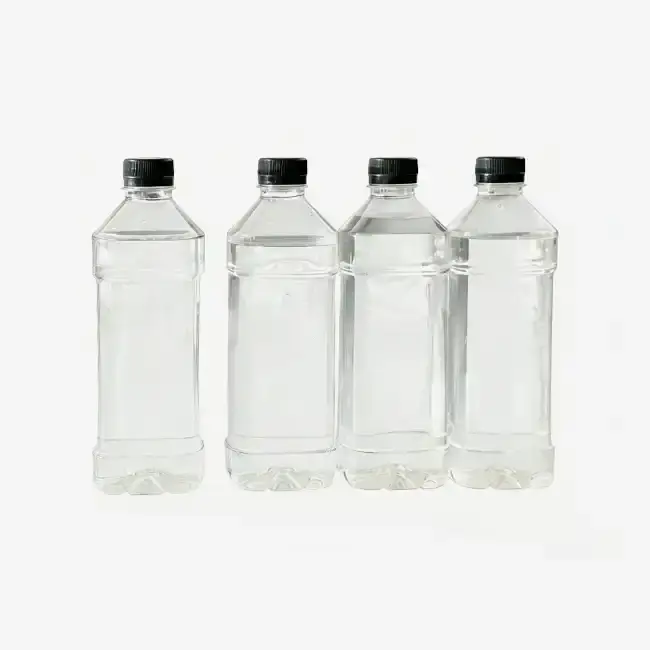
Highway ice prevention with potassium acetate-based solutions has transformed winter maintenance strategies across North America. Deicing liquid potassium acetate(CAS NO.: 127-08-2), a non-chloride formulation containing 50-60% concentration (CH₃COOK, CAS 127-08-2), provides effective freezing point depression down to -60°C while eliminating infrastructure corrosion concerns common with traditional salt-based methods. This colorless, transparent liquid integrates seamlessly with spray systems on bridges and roadways, offering municipal authorities and maintenance contractors an environmentally responsible alternative that preserves concrete integrity, protects steel reinforcement, and maintains operational continuity throughout severe winter conditions.
Understanding Potassium Acetate Deicing Liquid: Chemical Composition and Mechanism
For winter road safety, we need answers based on solid science. When buying teams know how acetate-based anti-icing products work, they can make decisions based on facts rather than guesses.
The Molecular Foundation
Potassium acetate (CH₃COOK) has a molecular weight of 98.14 and is made up of potassium cations and acetate anions in a stable water solution. Through colligative properties, this biodegradable salt stops ice crystals from forming. The acetate ions stop hydrogen bonds between water molecules, which lowers the temperature at which freezing happens. Unlike different forms of calcium or sodium acetate, potassium acetate stays fluid and active at very high and very low temperatures, while other agents harden or stop working. With a specific gravity of 1.25 to 1.30, the solution can easily get through layers of snow and reach the ground, where it forms ice links.
How Freezing Point Depression Works
When put on highway surfaces, the solution makes a layer of brine that keeps ice from sticking to the pavement. The eutectic point, which for properly formulated products is around -60°C, is the coldest temperature at which the solution is still liquid and works. This amazing performance window goes much further than normal chloride salts, which stop working at temperatures between -18°C and -21°C. During storms, the acetate solution gets between the ice and the road, breaking chemical bonds that make it easier for plows to remove. The pH range of 7.5 to 9.2 keeps chemicals stable without being too acidic, which can damage building materials.
Environmental and Safety Profile
Modern infrastructure management increasingly focuses on sustainable maintenance practices and environmental protection. Deicing liquid potassium acetate provides an eco-friendly solution because potassium acetate breaks down quickly in water and soil without releasing harmful nitrogen compounds. This creates a significant advantage over urea-based alternatives, which can generate harmful ammonia during decomposition. The Biological Oxygen Demand (BOD) of deicing liquid potassium acetate remains much lower than that of glycol or urea-based deicing products, helping reduce stress on aquatic ecosystems near treated roads and transportation areas. The high purity formulation of deicing liquid potassium acetate meets strict environmental release requirements, with controlled impurity levels including less than 0.002% iron, less than 0.0004% arsenic, and less than 0.01% lead. In addition, deicing liquid potassium acetate features a non-corrosive formula that helps protect concrete reinforcement from chloride-induced damage and reduces scaling on bridge decks. Compared with traditional deicing salts that accelerate infrastructure deterioration through electrochemical reactions, deicing liquid potassium acetate supports longer service life for roads, bridges, and other structures. By combining effective ice control performance with improved environmental compatibility, deicing liquid potassium acetate offers a reliable choice for modern infrastructure protection and sustainable winter maintenance programs.
Evaluating Potassium Acetate Against Other Deicing Solutions: A Rational Choice for Highways
Clear comparisons of performance help with purchasing decisions. Budgets for highway maintenance call for solutions that are both successful right away and protect infrastructure and the environment in the long run.
Performance Metrics Comparison
Acetate-based liquid formulations show measurable benefits in a number of operational areas. Potassium acetate stays active up to -60°C, which gives you extra safety during very cold spells. Magnesium chloride and sodium chloride stop working at -15°C and -21°C, respectively. Melt efficiency, or how much ice melts for every gram of deicer, is higher for acetate solutions because molecules can get through them better and they stay liquid longer. Sodium acetate is also good for the environment, but it needs to be used in larger amounts to get the same effects. Calcium magnesium acetate (CMA) is better for the earth, but it costs a lot more per treatment lane-mile. Glycol-based deicers work just as well at low temperatures, but they have higher BOD loads and wildlife poisoning concerns.
Infrastructure Impact Assessment
Testing for corrosion shows big differences. Total immersion corrosion tests (ASTM F 483) and sandwich corrosion methods (ASTM F 1111) show that potassium acetate doesn't attack metal very much, compared to chloride salts, which eat away at strengthening steel, bridge cables, and car undercarriages very quickly. Acetate formulations make concrete scaling much less likely. Concrete scaling is surface flaking caused by freeze-thaw cycles and deicer penetration. When bridge authorities switched from chloride-based programs to acetate-based programs, the decks lasted longer, and the costs of repairs went down. Unlike alcohol-based options, it is safer to store because it is not flammable (flash point above 100°C).
Cost Analysis and Supply Chain Reliability
Although the initial purchase cost of deicing liquid potassium acetate may appear higher than traditional bulk rock salt, long-term lifecycle cost analysis shows significant economic benefits through reduced infrastructure repair expenses, fewer vehicle corrosion claims, and lower environmental cleanup costs. The supply chain advantages of deicing liquid potassium acetate are strengthened by experienced manufacturers with decades of production expertise and stable manufacturing capabilities. Reliable suppliers of deicing liquid potassium acetate(CAS NO.: 127-08-2) can maintain sufficient inventory and production capacity to support demand during peak winter seasons when market availability becomes limited. Efficient inventory management and flexible delivery arrangements for deicing liquid potassium acetate allow customers to maintain stable operations with shorter lead times for standard production and rapid fulfillment for stocked products. When airports replace urea-based deicing products with deicing liquid potassium acetate, they often achieve reduced pavement maintenance requirements due to improved material compatibility. Similarly, highway departments using deicing liquid potassium acetate can experience long-term benefits in protecting bridges, elevated roads, and other critical infrastructure assets. By combining operational reliability, environmental advantages, and reduced maintenance costs, deicing liquid potassium acetate provides a cost-effective solution for modern winter road and airport maintenance programs.
Procurement Insights: How to Source Potassium Acetate Deicing Liquid for Commercial Use
For sourcing to work well, you need to pay attention to the credentials of the suppliers and the logistics. Officers in charge of buying things for cities and private contractors need clear criteria to use when analyzing possible suppliers.
Supplier Selection Criteria
Quality marks are objective ways to judge a seller. Getting ISO 9001 certification shows that your manufacturing processes and quality management systems are consistent. ISO 14001 environmental certification proves that production methods are reasonable and in line with goals for sustainability. Health and safety rules set by ISO 45001 protect workers all along the supply chain. While KOSHER and HALAL certifications are mostly useful for food-grade uses, they also show that strict measures are taken to make sure that no contamination gets into any production batches. When suppliers keep these certifications, they usually go above and beyond what the industry requires in terms of internal quality controls. Check that makers do full batch testing that can be tracked back to the source. This should include checking the concentration, looking for contamination, and making sure the product meets the specs. A well-known brand is important. Companies that have been around for 30 years or more have shown that they are stable in the market and have gained technical know-how through many cycles of product improvement.

Order Quantities and Logistics
Minimum order quantities are usually the same as the maximum weight of a standard shipping container. IBC tanks that hold 1,000 liters are good for medium- to high-volume users, while flexitank containers can hold bulk orders of 16,000 to 24,000 liters per normal shipping container. Getting samples lets you try them in the field before you buy a lot of them. Reliable sellers offer typical samples with Certificates of Analysis that prove the concentration, pH, and purity factors. Delivery wait times change with the seasons. To make sure you have enough inventory, order 60 to 90 days before you plan to start winter activities. Strategic relationships with shipping companies around the world allow for cheap freight rates and the sharing of space during times of high logistics demand. Trade terms like FOB (Free on Board), CIF (Cost, Insurance, and Freight), and DAP (Delivered at Place) give buyers and risk managers more options for how to buy things and how to handle risks.
Storage and Handling Best Practices
When stored correctly, deicing liquid potassium acetate can maintain its effectiveness throughout its shelf life and provide reliable performance for winter maintenance applications. Proper storage of deicing liquid potassium acetate requires dry, well-ventilated areas away from heat sources and incompatible materials to preserve product quality and stability. For storage periods longer than 90 days, unlined carbon steel containers should be avoided, while high-density polyethylene (HDPE) or stainless steel containers such as 304 or 316 grade are recommended to prevent contamination, corrosion, and color changes in deicing liquid potassium acetate. With suitable storage conditions, deicing liquid potassium acetate can remain stable for extended periods, although annual checks of dosage concentration and pH values are recommended to confirm that the product continues to meet application requirements. Proper handling procedures for deicing liquid potassium acetate emphasize careful unloading methods to prevent container damage and maintain product integrity. Separating deicing liquid potassium acetate from reactive or hazardous chemicals helps avoid cross-contamination risks during storage and transportation. Because deicing liquid potassium acetate has a freezing point of approximately -60°C, normal winter storage temperature fluctuations generally do not create major freezing concerns. However, maintaining warehouse temperatures above -10°C can improve pumping efficiency and make the transfer of deicing liquid potassium acetate to application equipment easier and more reliable. Proper storage and handling practices ensure that deicing liquid potassium acetate delivers consistent deicing performance, operational safety, and long-term usability.
Optimizing Application for Maximum Efficiency and Safety
The success of operations depends on the deployment methods used. The best way to deice is to use the right methods, which also keep costs and environmental impact in check.
Application Methods and Equipment
Anti-icing before a storm is the best way to get things ready for deployment. Putting down an acetate solution two to four hours before it starts to rain or snow forms a chemical barrier that stops ice from sticking to the ground. Tanker spray systems with boom widths that fit the layout of the lanes make sure that the surface is evenly covered at suggested rates of 25 to 40 gallons per lane mile, which are adjusted for predicted temperature and rainfall amounts. Fixed Automated Spray Technology (FAST) systems are useful for bridge deck uses because they can sense temperature and moisture levels and start automatic spray processes. Because potassium acetate is a stable chemical and a liquid that doesn't clog, it works well with these systems. It's important to be calibrated correctly. Refractive index testing lets you quickly check concentration levels in the field, making sure that application equipment gives you the right dilution ratios.
Temperature-Specific Dosage Guidelines
The best application rates depend on the environment. Standard concentrations work well at smaller levels between 0°C and -10°C. As the temperature drops from -10°C to -25°C, more chemicals are used to make up for the higher ice formation energy and less chemical activity. When the temperature is below -25°C, multiple applications that are removed mechanically work better than a single big amount. Keep a close eye on the weather reports. Using solutions when temperatures are rising makes them work better as melting speeds up. Do not apply when it is raining heavily because the concentrations will drop below the effective thresholds before the pavement protection sets in.
Safety Protocols and Environmental Management
Standard chemical handling methods are needed to keep workers safe during application. The low toxin level of the solution makes training easier than with more dangerous options. Personal safety equipment (PPE) like gloves and eye protection should be worn by operators at all times, but especially when moving equipment or fixing it. The main goal of environmental management is to keep runoff levels as low as possible near waterways that are sensitive. Environmental loading is lowered by putting buffer zones around water bodies and storm drains and applying the material precisely to only the surface areas that need it. Because acetate products break down quickly, they leave behind much less of an impact on the environment than chloride, which stays there for a long time. Monitoring tools, such as pavement temperature sensors and friction coefficient meters, help operators figure out how well the treatment is working and only reapply the material when the conditions call for it. This method, which is based on data, cuts down on overuse, which lowers costs and protects the environment while keeping safety standards high during winter upkeep programs.
Conclusion
Highway ice prevention strategies using deicing liquid potassium acetate play an important role in improving road safety, protecting infrastructure, and supporting environmental sustainability. The ability of deicing liquid potassium acetate(CAS NO.: 127-08-2) to remain effective at temperatures as low as -60°C, combined with its non-corrosive characteristics and rapid biodegradability, makes it a superior alternative to traditional chloride salts and urea-based deicing products. When procurement professionals evaluate the lifecycle costs of deicing liquid potassium acetate, they often identify significant savings through reduced concrete repairs, lower steel corrosion damage, and decreased environmental remediation expenses. Reliable supply chains from experienced manufacturers of deicing liquid potassium acetate help ensure that transportation agencies are fully prepared during demanding winter conditions. By applying proper spreading techniques and using data-driven deployment strategies for deicing liquid potassium acetate, highway authorities can maximize deicing efficiency, protect valuable infrastructure investments, and maintain environmental responsibility. The long-term benefits of deicing liquid potassium acetate support safer communities, healthier ecosystems, and more sustainable winter road management programs.
FAQ
What is the typical shelf life of potassium acetate deicing solution?
The product stays useful forever as long as it is kept in sealed, compatible containers made of stainless steel, HDPE, or fiberglass. After every two years, the pH and concentration are re-certified to make sure they stay within operational tolerances. Chemical stability can be maintained for many years by storing them properly in dry, well-ventilated places away from heat sources.
How does environmental performance compare to traditional salt-based deicers?
In terms of the climate, acetate solutions work much better than chloride salts. Biodegradation happens quickly and doesn't produce any harmful byproducts, so the Biological Oxygen Demand stays much lower. Chloride salts stay in the ground and in the soil, building up to levels that are bad for plants and aquatic ecosystems. Potassium breaks down naturally, and potassium is good for plants instead of being bad for the environment.
Can this solution perform effectively in extreme cold below -20°C?
With a eutectic freezing point of -60°C, it can be used in conditions much colder than most winters. Depending on how much rain falls and how much it mixes with water, practical effective temperatures are usually between -29°C and -35°C. This performance window is much wider than chloride salts and many other forms, which means that acetate solutions can be used in harsh northern regions.
Is it compatible with existing spray equipment?
Standard deicing spray systems work with liquid acetate formulations without any changes. Because it doesn't jam and is chemically stable, it doesn't damage equipment like gritty salt slurries do. Differences in density (specific gravity 1.25–1.30) are taken into account by making changes to the calibration, but normal pumps, nozzles, and tanks can handle the solution without any problems with material compatibility.
Partner with Zhaoyi Chemical for Reliable Highway Deicing Solutions
Municipalities and highway repair companies looking for a reliable source of deicing liquid potassium acetate will find Zhaoyi Chemical, which has been making chemicals since 1988 and has over 35 years of experience. Our yearly production capacity of 150,000 tons makes sure that there is a steady supply of large goods, even during the busiest winter months. Meeting international standards like ISO 9001, ISO 14001, and ISO 45001, each batch goes through strict quality control and can be fully tracked. We offer flexible packaging in the form of 1,000L IBC tanks and flexitanks, and we can meet a wide range of logistics needs with flexible trade terms such as FOB, CIF, and DAP. If you need help with an application, our technical support team can give you full instructions, test samples, and make recipe suggestions that are specific to your temperature and infrastructure needs. You can email our purchasing agents at sxzy@sxzhaoyi.com to talk about buying in bulk, get product samples with full Certificates of Analysis, or set up a meeting to find out how to use our tried-and-true acetate-based solutions to improve your winter maintenance program.
References
1. American Association of State Highway and Transportation Officials. (2013). Manual of Practice for an Effective Anti-icing Program. Washington, DC: AASHTO Publications.
2. Fischel, M. (2001). Evaluation of Selected Deicers Based on a Review of the Literature. Report CDOT-DTD-R-2001-15. Colorado Department of Transportation.
3. Levelton Engineering Ltd. (2007). Guidelines for the Selection of Snow and Ice Control Materials to Mitigate Environmental Impacts. Report prepared for Transportation Association of Canada.
4. National Research Council. (1991). Highway Deicing: Comparing Salt and Calcium Magnesium Acetate. Transportation Research Board Special Report 235. Washington, DC: National Academy Press.
5. Transportation Research Board. (2007). Guidelines for the Selection of Snow and Ice Control Materials to Mitigate Environmental Impacts. NCHRP Report 577. Washington, DC: National Academies Press.
6. Shi, X., Fay, L., Peterson, M., & Yang, Z. (2010). Freeze-Thaw Damage and Chemical Change of a Portland Cement Concrete in the Presence of Diluted Deicers. Materials and Structures, 43(7), 933-946.

USER EVALUATE
Here is the customer's evaluation of us