



Why Choose Potassium Acetate Deicer for Highway Winter Maintenance?
Highway maintenance teams face a critical decision each winter: selecting a deicer that protects both infrastructure and the environment without compromising safety. Deicing liquid potassium acetate (CAS NO.: 127-08-2)has emerged as the solution of choice for municipal authorities and highway contractors across the United States. Unlike traditional salt-based deicers, this colorless liquid formulation (CH3COOK, CAS 127-08-2) works effectively at temperatures plunging to -60°C while eliminating the corrosion damage that costs highway departments millions annually. Its biodegradable formula addresses environmental concerns without sacrificing the rapid ice-melting performance demanded during severe weather events.
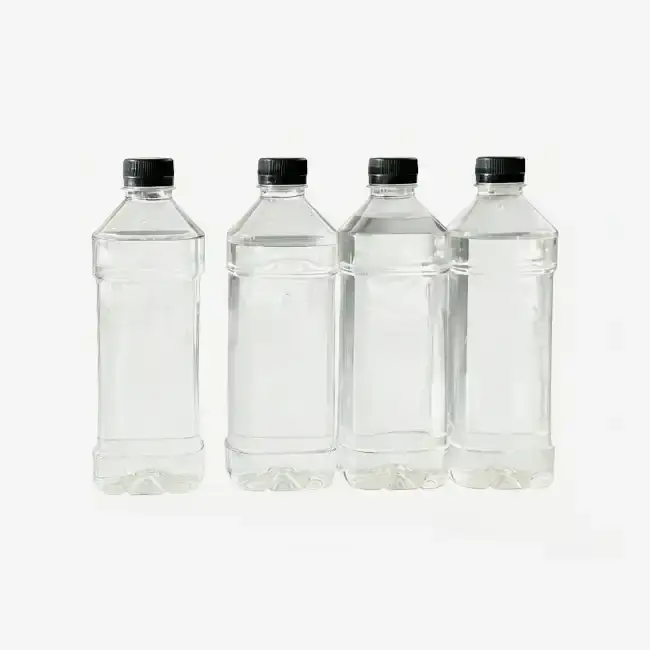
Understanding Potassium Acetate Deicing Liquid
Modern highway safety requires advanced chemistry, not just rock salt. Deicing liquid potassium acetate represents a fundamental shift in winter maintenance strategy—one built on protecting assets while clearing roads efficiently.
The Science Behind Freeze Point Depression
Deicing liquid potassium acetate stops the formation of ice crystals at the molecular level when it is put on highway surfaces. The acetate ions stop water molecules from joining together solidly, which forms a layer of brine between the pavement and the ice. This process works well over a very large temperature range, staying fluid and useful even when calcium chloride and sodium chloride liquids freeze solid. The specific gravity of 1.25 to 1.30 makes sure that the solution goes under the existing layers of ice instead of running off. This breaks up the bonds between the ice and makes it easier for maintenance crews to remove mechanically.
Environmental Advantages That Matter
Using traditional deicers is bad for the earth in the long term. Groundwater has been contaminated with chloride for decades, which hurts aquatic ecosystems and makes drinking water unsafe. Deicing liquid potassium acetate goes in a different direction. The solution breaks down quickly through natural bacterial processes, but it doesn't give off nitrogen chemicals that cause dangerous algae blooms. It has a much lower Biological Oxygen Demand (BOD), which means that streams keep healthy oxygen levels even after the spring flow. Highway offices that work with streams that are sensitive to the environment have seen a big drop in chloride levels after switching from rock salt to deicing liquid potassium acetate.
Infrastructure Protection Delivers Long-Term Savings
Corrosion is the secret cost of upkeep in the winter. Chloride-based deicers speed up the breaking down of concrete, rebar, and bridge decks, which is damage that gets worse over time. Those in charge of highways along the coast are very aware of this issue, since salt from many sources can damage structures. Deicing liquid potassium acetate has special inhibitor packages that protect steel, aluminum, and concrete surfaces. Annual inspections show that bridge infrastructure treated with acetate solutions has a lot less damage. The non-corrosive chemistry makes road hardware, bridge bearings, and car underbodies last longer. This means that maintenance funds can be used to improve operations instead of fixing things that need to be fixed.
Comparing Potassium Acetate with Other Common Deicers
Before buying something, it's helpful to know how different deicing agents work in different operating conditions that have a direct effect on how well highway care works and how much it costs to own everything.
Performance Across Temperature Ranges
Temperature efficiency is what sets good deicers apart from great ones. Calcium chloride works up to about -25°C before it starts to crystallize, but magnesium chloride stops working at about -15°C. Sodium chloride, which is usually used as rock salt, doesn't work very well below -9°C. Deicing liquid potassium acetate stays liquid and can melt ice down to -60°C, so it works reliably during the harsh cold snaps that leave drivers stranded and shut down roads. Because this product has a wider working range, repair crews can use the same product all winter instead of moving between different formulations as the temperature changes.
Corrosion Impact on Critical Infrastructure
Long-term infrastructure costs are based on how well materials work together. Tests done by a third party using ASTM F 483 guidelines show that chloride-based deicers reduce the amount of metal in aluminum, steel, and mixed-metal assemblies within 72 hours of exposure. Depending on the concentration and inhibitor packages, the erosion rates of calcium acetate and sodium acetate are about the same. Formulations with deicing liquid potassium acetate that meet the requirements of SAE AMS 1435 have the lowest weathering rates of all the metals that were tested. This feature is very important to highway officials who are in charge of bridge structures and lighting systems for roads. This is because replacing corroded equipment costs a lot more than the extra money spent on advanced deicing chemistry.
Environmental Footprint and Regulatory Compliance
More and more rules are being put in place to stop chloride pollution. A number of states have made it illegal to use as much salt, and the EPA is putting more limits on the amount of chloride that can be released by highway maintenance operations. Alternatives based on urea cause different issues, including ammonia poisoning and too much BOD loading, which lowers the amount of oxygen in the water that receives it. Deicing liquid potassium acetate takes care of both legal issues at the same time. The acetate part breaks down totally, and the potassium part is good for plants and doesn't pollute the dirt next to roads. Deicing liquid potassium acetate is necessary for highway departments that serve areas with poor water quality to stay in line with Total Maximum Daily Load (TMDL) limits.
Application Methods and Operational Flexibility
Modern application equipment works perfectly with liquid deicers. Liquid formulas work best with pre-wetting systems, spray bars, and automatic bridge deck spraying technology. Deicing liquid potassium acetate keeps its texture the same at all temperatures, which makes sure that the right amount is applied and that the area is covered evenly. Fixed Automated Spray Technology (FAST) systems on bridge decks need liquid deicers that won't clog nozzles or damage pumping equipment. Acetate solutions reliably meet these needs. Because the product can be put down before a storm, maintenance teams can set up anti-icing barriers that stop ice from sticking together. This saves time and makes things safer.
Procurement Considerations for B2B Clients
When making strategic buying choices, it's not just about unit price. Reliability of suppliers, consistency of products, and technical support are also important factors that affect how well operations run during severe weather events.
Evaluating Supplier Credentials and Manufacturing Standards
Certification of the manufacturer is the first step in quality assurance. The ISO 9001 certification shows that quality management is done in a planned way, and the ISO 14001 certification shows that environmental management systems are in place to keep work sites clean. Suppliers who work with highway repair should give out Certificates of Analysis (CoA) that show the percentage, pH, specific gravity, and metal content of each batch. Zhaoyi Chemical keeps these international certifications and also food-grade certifications (KOSHER, HALAL) that show that the quality controls in production go above and beyond what is required. The company's ability to produce 150,000 tons of goods every year and its history of making goods for 30 years make it a reliable supplier that cities need.
Packaging and Logistics for Bulk Operations
Deicing goods are used in large quantities by highway repair crews, which requires special transportation. Standard packaging in 1000L IBC tanks makes it easier to transfer directly to application equipment, and shipping in flexitank containers is the best way to handle international logistics for coastal areas. The way you store things is very important. Deicing liquid potassium acetate (CAS NO.: 127-08-2)needs to be kept in a dry, well-ventilated space away from things that won't work with it. The answer stays fresh for a long time in the right containers (HDPE, stainless steel), so purchasing teams can buy during off-season periods when shipping and production capacity are at their best.
Technical Documentation and Safety Compliance
The information on safety data sheets (SDS) is very important for handling, storing, and what to do in an emergency. Specifications for buying things should include up-to-date SDS documents that meet OSHA Hazard Communication Standards and clear directions on how to handle the materials. Deicing liquid potassium acetate is much safer to work with than alkaline chloride brines because its pH range is between 7.5 and 9.2. This means that workers are less likely to be exposed to harmful chemicals and don't have to wear as much protective gear. Material Safety Data Sheets should confirm that the substances are not toxic, won't catch fire, and can be thrown away in a way that follows local environmental laws.
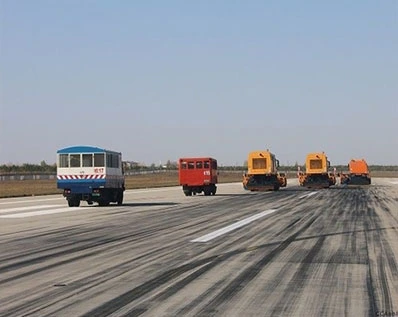
Why Potassium Acetate Is the Preferred Choice for Highway Winter Maintenance
Acetate chemistry has become popular among maintenance workers who care about safety, sustainability, and lifecycle costs. This is shown by real-world performance statistics from highway authorities.
Operational Performance in Severe Weather
Municipal highway departments in northern states have found that deicing liquid potassium acetate performs better when it's very cold. If the temperature drops below -20°C, regular chloride deicers stop working as well. This means that they have to be used more often, which damages infrastructure faster without making it safer. Because deicing liquid potassium acetate works the same way at all of these temperature ranges, maintenance crews can set up effective anti-icing barriers with just one application instead of having to go back and do it again and again. Because the solution stays fluid and can get through ice-covered pavement, it melts ice quickly, which shortens the time that roads are dangerous after a storm.
Lifecycle Cost Analysis
The price of the goods at first is only one part of the total cost of ownership. A full lifetime study needs to look at the costs of fixing infrastructure, cleaning up the environment, and making operations more efficient. Highway officials who switched to deicing liquid potassium acetate programs say that they have seen a drop in the number of repairs needed on bridge decks, an increase in the life of pavement, and a drop in the number of claims for damage to vehicles caused by maintenance work. The non-corrosive chemistry means that road gear like lights, signs, and safety barriers doesn't have to be replaced as often. When funds for major improvements are limited, using advanced chemical selection to protect current assets can bring in a lot of money.
Regulatory Alignment and Future-Proofing
Environmental rules are getting stricter about using salt and protecting water quality. When highway departments invest in infrastructure, they expect it to last between 30 and 50 years. This means that they need deicing strategies that can keep up with changing environmental standards. Maintenance programs that use deicing liquid potassium acetate are ahead of the curve when it comes to regulations. The chemistry fits with green infrastructure programs, low-impact development principles, and watershed protection laws that are having a bigger impact on highway project decisions and funds. When making decisions about purchases today, people should think about how regulations will change tomorrow. This is one way that acetate chemistry can help with strategy.
Conclusion
For winter maintenance on highways, we need to find ways to meet the needs of safety right now, long-term infrastructure security, and environmental duty. Deicing liquid potassium acetate (CAS NO.: 127-08-2)meets these different needs by using advanced chemistry to work better than regular chloride-based deicers in many important operating areas. Its great performance at low temperatures, non-corrosive makeup, and quick biodegradability make it the first choice for forward-thinking highway authorities. As rules against chloride pollution get stricter and the need to protect infrastructure grows, acetate-based deicing is not only a step forward in technology, it is also a strategic necessity for managing highways responsibly.
FAQ
How does potassium acetate compare cost-effectively to rock salt?
Acetate solutions cost more per unit at first than bulk rock salt, but a lifetime cost study shows that they save a lot of money in the long run. In documented case studies, less infrastructure corrosion increases the life of bridge decks by 10 to 15 years. Lower application rates are also used to lower the costs of labor and equipment. When chloride loading goes down, environmental compliance costs go down a lot. These costs include treating rainwater and restoring wildlife.
What storage requirements apply to liquid potassium acetate?
The solution needs to be stored in dry, well-ventilated places using containers that are acceptable. HDPE tanks and stainless steel (304/316 grade) are the best materials for long-term storage because they don't break down. Deicing liquid potassium acetate will always work as long as it is kept away from moisture and extreme temperatures. Standard chemical storage protocols say that facilities should provide secondary containment and keep chemicals away from materials that aren't compatible.
Can potassium acetate be applied using existing equipment?
Standard highway repair systems, like spray trucks, pre-wetting equipment, and automatic bridge deck systems, can directly use deicing liquid potassium acetate. Its constant thickness and ability not to clog make it perfect for precision application equipment that has trouble keeping up with rock salt brines.
Partner with Zhaoyi Chemical for Your Highway Deicing Solutions
Zhaoyi Chemical has been making acetate for more than 30 years and can provide highway repair workers with a reliable source of deicing liquid potassium acetate. Our enterprise-grade formulations meet the requirements of SAE AMS 1435 while still maintaining the high quality needed by city procurement rules. We have been making potassium acetate for a long time and have ISO 9001, ISO 14001, and ISO 45001 certifications. As a result, we can provide the reliable supply chain and technical support that winter maintenance operations need. Our yearly production capacity of 150,000 tons ensures supply during times of high demand. We offer a range of flexible packaging choices, such as 1000L IBC tanks and flexitank containers. Please email our expert team at sxzy@sxzhaoyi.com for full product details, application advice that is specific to your needs, and price quotes for bulk potassium acetate deicer that will protect your budget and infrastructure.
References
1. Transportation Research Board. "Guidelines for the Selection of Snow and Ice Control Materials to Mitigate Environmental Impacts." National Cooperative Highway Research Program Report, 2007.
2. Fischel, M. "Evaluation of Selected Deicers Based on a Review of the Literature." Colorado Department of Transportation Report, 2001.
3. Shi, X., et al. "Chloride-based Deicing Salt Alternatives: A Review." Journal of Cold Regions Engineering, Vol. 23, No. 1, 2009.
4. American Association of State Highway and Transportation Officials. "Guidelines for Selection of Effective and Environmentally Sound Highway Deicers." AASHTO Standing Committee on Environment, 2013.
5. Pacific Northwest Snowfighters Association. "Anti-icing and Pre-wetting Handbook for Winter Highway Maintenance Personnel." Publication No. FHWA-RD-95-202, 1996.
6. Levelton Engineering Ltd. "Guidelines for the Selection of Snow and Ice Control Materials to Mitigate Environmental Impacts." Report prepared for Environment Canada, 2007.

USER EVALUATE
Here is the customer's evaluation of us