



Potassium Acetate vs Rock Salt: Which Protects Roads Better in Winter?
When winter storms threaten operations, choosing between acetate-based deicing agents and traditional rock salt determines infrastructure longevity and operational safety. Snow Melting Solid Potassium Acetate (CAS NO.: 127-08-2)outperforms rock salt by functioning effectively at temperatures as low as -35°C, eliminating corrosion damage to concrete and steel, and biodegrading naturally without harming surrounding ecosystems. Rock salt fails around -7°C and accelerates infrastructure deterioration through freeze-thaw cycling and chemical attack on reinforcing steel. Municipal authorities, airport operators, and industrial facility managers increasingly recognize that acetate solutions deliver superior winter protection while reducing long-term maintenance costs and environmental liabilities.
Introduction
Every season, winter road safety is a problem for infrastructure managers in city offices, highway repair contractors, and airport operations teams. When ice builds up on sidewalks and in transportation networks, it makes people less safe and increases the risk of liability, which hurts operational budgets and public trust. When choosing the right deicing materials, you have to weigh the need for instant performance against the need to protect infrastructure, be environmentally friendly, and consider the total cost of ownership over several winter seasons.
This study looks at two main ways of melting ice: the old way, which uses sodium chloride (rock salt), and the new way, which uses acetate. We look at chemistry qualities, temperature ranges where they work best, corrosion patterns, environmental effects, and buying factors. Business-to-business buyers who are in charge of winter maintenance programs need to be able to make comparisons based on facts in order to make the best use of their budgets and meet stricter environmental rules. Being aware of how these materials work lets people make decisions that protect important infrastructure investments and keep safety standards high during severe weather events.
Understanding the Basics of Snow Melting Agents
Chemical Composition and Properties of Potassium Acetate
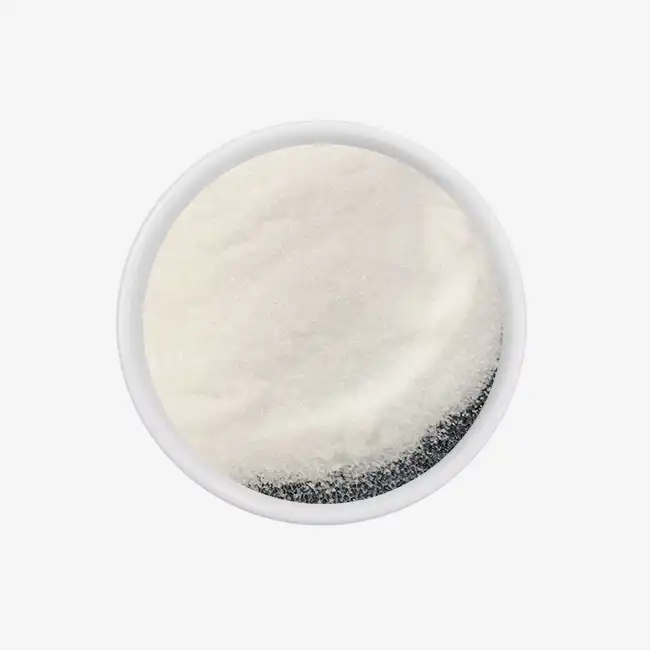
Potassium acetate (CH₃COOK, CAS 127-08-2) is a white solid powder that has a molecular weight of 98.14 g/mol. There is a lot of water that can dissolve this biological salt, and it dissolves quickly on ice and snow. During dissolution, the material creates an exothermic reaction that speeds up the penetration of ice and the breaking of bonds. Premium types are ≥99.0% pure and have almost no solid material (≤0.05%), so they work the same way in all kinds of situations.
Because it is hygroscopic, it can take in water from the air around it, which makes brine even before it rains. This trait makes proactive anti-icing strategies possible when used before a storm hits. The acetate ion (CH₃COO⁻) acts as a buffer, keeping the pH level (9–11 in solution slightly alkaline). This keeps plants and equipment from being damaged by the acidic effects that chloride alternatives often have.
Rock Salt Fundamentals
Sodium chloride (NaCl) has been the standard winter upkeep chemical for decades because it is easy to find and doesn't cost much up front. The material works by lowering the freezing point, which is the temperature at which water changes from a liquid to a solid. Rock salt is mostly made up of sodium chloride (95–99%), minor minerals, and things that keep it from caking.
The application process uses machines that spread granules out over the road surfaces. When ice touches water, brine forms that seeps through existing layers of ice and stops new ice from forming. But rock salt loses its usefulness quickly as the temperature drops. Below -7°C (20°F), it doesn't work at all. This temperature limit makes it less useful in northern areas that have long periods of very cold weather.
Infrastructure Impact Differences
Traditional goods that contain chloride speed up the breakdown of concrete in a number of ways. Ions of chlorine can get into the pores of concrete, where they can reach embedded steel reinforcements and start electrolytic decay. This process makes the rebar expand, which creates pressure inside the bar that breaks the concrete around it. This is called spalling. Repeated freeze-thaw cycles make damage worse because brine solutions expand when they freeze, making cracks bigger and weakening the structure.
Acetate formulations get rid of these ways that things break down. The biological anion doesn't start the rusting of steel or the chemical attack on concrete paste. This is something that airport officials really like because it means that deicing the runway won't damage sensitive electronics, composite materials, or special friction coats that keep planes from skidding.
Comparative Analysis: Potassium Acetate vs Rock Salt
Temperature Performance Ranges
When it comes to performance, rock salt works best between 0°C and -7°C. As temperatures get closer to -10°C, it works less well. Below this point, the formation of brine slows down a lot, leaving ice layers in place and making situations dangerous that can't be fixed by adding more salt. Maintenance crews have to deal with higher application rates that give them less and less benefit while speeding up damage to the environment.
Deicing solutions based on acetate keep working well at temperatures where chloride products stop working altogether. For potassium acetate solutions, the eutectic point, which is the lowest temperature at which the solution stays liquid, is around -60°C. The practical field performance stays strong down to -35°C, keeping ice under control during very cold spells that stop activities using old ways. This wider working range lets safety standards stay the same no matter how bad the weather is.
Environmental and Ecological Considerations
The buildup of chloride in soil and groundwater has become a long-term environmental concern in many regions. Excessive use of traditional salt-based deicing materials can cause high salt concentrations in runoff, which may damage roadside vegetation, contaminate drinking water sources, and negatively affect aquatic ecosystems. In contrast, Snow Melting Solid Potassium Acetate provides a more environmentally responsible alternative by reducing the reliance on chloride-based products and helping minimize related ecological impacts. Studies from environmental organizations, including the U.S. Geological Survey, have shown that elevated chloride levels in freshwater systems are associated with increased use of deicing salts. The persistent nature of chloride contamination means that affected soils may require decades to recover because accumulated deposits continue to leach into surrounding environments. By adopting Snow Melting Solid Potassium Acetate, transportation agencies and infrastructure managers can reduce long-term environmental risks while maintaining effective snow and ice control performance. The use of Snow Melting Solid Potassium Acetate supports sustainable winter maintenance practices by protecting natural resources, reducing corrosion-related damage, and providing a safer solution for communities and ecosystems. As environmental regulations become stricter, Snow Melting Solid Potassium Acetate offers a reliable option for organizations seeking effective deicing performance with improved environmental compatibility.
Acetate molecules break down naturally in the presence of microbes. Bacteria in the soil break down acetate ions into carbon dioxide and water. This process is complete within a few weeks of treatment. This biological pathway gets rid of persistent buildup and keeps delicate ecosystems near treated surfaces safe. When acetates enter sewage systems, the biochemical oxygen demand (BOD) stays controllable. This is different from chloride salts, which don't add oxygen demand but change the basic chemistry of the water.
Turf managers and landscapers have noticed that plants along roads that have been treated with acetate formulas have grown a lot better. Root systems are growing normally, and plants that are sensitive to salt do well in places where chloride treatments used to kill a lot of plants. Pets are much safer because acetate exposure doesn't irritate their paws or make their stomachs hurt when they touch treated surfaces.
Total Cost Analysis Framework
At first glance, the price of rock salt is lower per ton than that of acetate alternatives. Comprehensive lifecycle costing, on the other hand, shows very different financial profiles. The costs of fixing infrastructure are much higher than the saves from cheap deicing goods. Replacement of concrete, restoration of steel reinforcements, and corrosion of vehicle undercarriages are all long-term costs that keep going up every year.
When highway departments look at 20-year maintenance cycles, they find that using acetate lowers overall costs by making infrastructure last longer. When contact to toxic chloride stops, bridge decks need to be fixed up every 15 to 30 years or more. As chassis rust slows down, service life increases and replacements happen less often, lowering the cost of maintaining a fleet of vehicles. These factors justify a bigger initial investment in materials by showing clear savings in the long run.
Logistics for procurement have a big effect on how much it costs to send. Final price structures are affected by programs for buying in bulk, regular contracts, and regional supply networks. Transportation costs depend on how close the production facility is and how the goods are shipped. Instead of just looking at the price given, buyers should look at the total landing costs, which include freight, handling, and storing needs.
Application and Usage Guidelines for Solid Potassium Acetate
Recommended Dosage and Application Timing
To deice effectively, you need to know the difference between deicing and anti-icing strategies. Anti-icing involves putting down materials before it starts to rain or snow. These materials create a chemical layer that keeps ice from sticking to the ground. When compared to reactive deicing of existing ice layers, this proactive approach cuts the amount of product needed by 50 to 70%. For acetate formulas, the usual amount used for anti-icing is 30 to 50 grams per square meter.
Higher spray rates are needed to deice existing accumulations. The best dose depends on the width of the ice, the depth of the snow, and the current temperature. As a general rule, 70 to 140 grams per square meter is good for moderate weather, and higher rates are needed for severe weather. The fast dissolution and exothermic reaction make it possible to remove ice faster than chloride-based options, which need more touch time.
Timing has a big effect on how well something works out. Applying materials as temperatures drop and rain starts to fall makes them work better while using less of the product. Surface safety is maintained throughout the storm by keeping an eye on weather forecasts and sending out repair teams at the best times.
Equipment Compatibility and Handling
Acetate pellets can be spread with standard tools without needing to be modified in any special way. Its free-flowing crystalline structure keeps it from clumping together while it's being stored, and motorized spreaders can keep the feed rates constant. Due to differences in density compared to rock salt, calibration adjustments may need to be made, but the basic steps for using it are still pretty much the same.
Storage needs for chloride goods are very different. Because it is hygroscopic, it needs to be stored in a dry, well-ventilated space that is kept away from moisture. When stored, sealed 25kg plastic weave bags or 1000kg ton-bags keep the product's quality. Handling properly stops wetness from absorbing too soon, which lowers the efficiency of the application and makes mechanical spreading more difficult.
Solid vs Liquid Formulations
Solid potassium acetate is easier to handle for businesses that already have granular application infrastructure. Handling of materials follows standard procedures, and storage space is used in the same way as current salt storage facilities, with improvements made to better control moisture. The higher concentration saves money on transportation costs compared to liquid solutions that need to be transported with water content.
Liquid versions make it possible to spray precisely and cover an area more evenly. Pre-wetting methods mix liquid acetate with solid materials, which speeds up activation and lowers the amount of particle bounce when they hit something. Some operations keep both types on hand and use each one depending on the needs of the operation and the conditions at the time.
Procurement Insights: How to Source Quality Potassium Acetate Products
Supplier Evaluation Criteria
Manufacturers with strong reputations demonstrate consistent product quality by obtaining internationally recognized certifications that verify their production processes and product specifications for Snow Melting Solid Potassium Acetate. ISO 9001 Quality Management System certification ensures that the quality control procedures for Snow Melting Solid Potassium Acetate are systematically managed throughout the entire manufacturing process, from raw material selection to final inspection. ISO 14001 Environmental Management System certification highlights a manufacturer’s commitment to reducing environmental impacts during the production of Snow Melting Solid Potassium Acetate and promoting sustainable manufacturing practices. ISO 45001 Occupational Health and Safety certification further demonstrates responsible workplace management, protecting employees involved in the production and handling of Snow Melting Solid Potassium Acetate. By choosing suppliers with comprehensive certification systems, customers can gain greater confidence in the reliability, safety, and consistency of Snow Melting Solid Potassium Acetate. These certifications reflect the manufacturer’s commitment to strict quality standards, environmental responsibility, and continuous improvement, making Snow Melting Solid Potassium Acetate a dependable choice for professional winter maintenance applications.
As well as industrial products, facilities that make food- and drug-grade acetates have been given KOSHER and HALAL approvals, which are product-specific certifications. These labels require thorough checks of the building and process controls that raise the quality standards for all product lines.
Shanxi Zhaoyi Chemical Co., Ltd. has been making acetate for over 30 years, which shows that they know how to do it right. The company can reliably supply large-scale industrial and municipal programs with its 150,000-ton annual production capacity. Having technical support available 24 hours a day, seven days a week, with a promise of a response in two hours gives procurement professionals confidence in long-term partnerships with suppliers instead of one-time deals.
Quality Documentation Requirements
Full product paperwork helps people make smart buying choices and follows the rules. Safety Data Sheets (SDS) list chemical dangers, how to handle them safely, what to do in an emergency, and how to properly get rid of them. Certificate of Analysis (COA) documents confirm that test results for each batch show that the product meets the stated specifications. These papers should be sent with every shipment so that the departments that receive them can check the quality of the goods before they are sent out.
Traceability systems that connect production batches to specific packages make it possible to act quickly if problems arise with performance in the field. Reliable suppliers keep thorough records that can be used for investigations and, if appropriate, corrective action. By asking for sample batches before making large purchases, you can test the products in the field under real-life operating conditions and make sure that their performance meets your needs.
Logistics and Delivery Considerations
Minimum order amounts, lead times, and shipping terms all have a big effect on deciding how to buy things. Most manufacturers offer different payment terms, such as Exworks (EXW), Cost Insurance and Freight (CIF), and Delivered at Place (DAP), to meet the needs of all buyers. Understanding these terms makes it clear who is responsible for shipping, insurance, and clearing customs.
As part of strategic supplier partnerships, sure shipping room allocation is part of the deal. This lets you plan ahead for arrival times during times of high demand. Keeping a safety stock on hand by providers makes it easier to fill urgent orders quickly when bad weather causes inventory to run out faster than planned. With lead times of 5 to 7 working days, responsive replenishment programs can be used to balance the costs of keeping inventory with the security of a steady supply.
The types of packaging affect how easily they can be handled and stored. Standard 25kg bags are good for smaller jobs and tasks that need to be done by hand. Bulk 1000kg ton-bags cut down on the cost of handling each unit and make it easier for large operations to load machines. Custom packaging options help city offices and contractors meet their specific operating needs or brand tastes.
Making the Right Choice for Your Winter Road Protection Needs
Decision Framework for Material Selection
The best deicing material choice depends on the specific operational requirements and environmental conditions of each application. For airport runway operations, Snow Melting Solid Potassium Acetate provides a non-corrosive solution that helps protect sensitive electronic systems, aircraft components, and specialized infrastructure materials. Considering the serious consequences of aircraft incidents and operational disruptions, the higher cost of Snow Melting Solid Potassium Acetate is justified by its improved performance, safety benefits, and long-term infrastructure protection. Historical bridges and parking structures with exposed reinforcement steel can also benefit significantly from Snow Melting Solid Potassium Acetate, as its corrosion-resistant properties help prevent chloride-related damage and extend structural service life by decades. By choosing Snow Melting Solid Potassium Acetate (CAS NO.: 127-08-2)for demanding applications, facility managers can reduce maintenance requirements, protect valuable assets, and achieve more sustainable winter deicing performance. The durability and reliability of Snow Melting Solid Potassium Acetate make it a preferred option for critical infrastructure where safety, longevity, and operational stability are essential.
Environmental safety is becoming more and more important to urban street networks that serve household areas. People put pressure on municipal leaders about pet safety, damage to greenery, and contaminated drinking water. These worries are taken care of by acetate solutions, which also keep people safe during winter weather events. Along with measurable cost benefits, the positive response from the community and lower environmental liability provide non-financial benefits.
Deicing problems when temperatures drop are not acceptable for industrial facilities that need to be accessible at all times during bad weather. This includes hospitals, emergency services facilities, and important manufacturing operations. The wide temperature range of acetate formulations makes sure that access is always reliable, no matter how bad the weather is. These non-corrosive formulas protect sensitive technology from chloride damage and are useful for railroad switches, radar sites, and telecommunications infrastructure.

Regulatory Compliance Considerations
Environmental laws are making it harder for chlorine to get into natural rivers and stormwater systems. Laws that protect watersheds, stop groundwater pollution, and protect aquatic ecosystems are pushing policymakers to find more environmentally friendly ways to melt snow and ice. Acetate goods help businesses stay ahead of the rules so they don't have to pay for expensive upgrades or face harsh police actions.
Green building projects and sustainability licensing programs reward businesses that care for the environment. Documented changes to low-impact deicing methods help with LEED certification, Climate Action Plan pledges, and business sustainability reporting. These projects improve the organization's reputation while also making real environmental improvements.
Future Trends in Winter Maintenance
The direction of the industry clearly favors high-performance options that are good for the environment. Research institutions are still working on new formulations that improve cost-performance relationships while still being safe for the environment. To solve certain practical problems, hybrid methods use a mix of different deicing agents in the best amounts. Improvements to weather prediction technology allow for more precise application timing, which lowers the total amount of product used while still meeting safety standards.
Early adoption experience gives procurement professionals who put their companies at the front of this change a competitive edge. When staff are familiar with how to handle acetate, improve application rates, and keep an eye on performance in a range of settings, the company gains skills that increase its value over time. When you build relationships with suppliers during the early stages of usage, you can get better terms and faster access when capacity is limited.
Conclusion
A thorough investigation shows that acetate-based deicing agents provide significant advantages over traditional rock salt for winter road protection. Snow Melting Solid Potassium Acetate is an ideal choice for infrastructure managers seeking long-term asset protection, improved durability, and reliable winter maintenance performance. With its wide effective temperature range, non-corrosive characteristics, environmental compatibility, and lower total lifecycle costs, Snow Melting Solid Potassium Acetate helps reduce the challenges commonly associated with chloride-based deicing methods. Although rock salt may have lower initial purchase costs, it cannot offset the long-term expenses caused by infrastructure repairs, environmental damage, and reduced performance under severe weather conditions. The use of Snow Melting Solid Potassium Acetate (CAS NO.: 127-08-2)allows airports, municipal governments, industrial facilities, and infrastructure contractors to achieve a better balance between operational efficiency, financial management, and environmental responsibility. By adopting Snow Melting Solid Potassium Acetate as part of winter maintenance programs, organizations can protect critical infrastructure investments, reduce maintenance demands, and improve overall sustainability. The reliable performance and long-term benefits of Snow Melting Solid Potassium Acetate make it a preferred solution for modern snow and ice control applications.
FAQ
What temperature range does acetate remain effective compared to rock salt?
Around -7°C (20°F), rock salt stops working as well because the formation of brine slows down a lot. It is possible for potassium acetate to keep deicing properties strong down to -35°C (-31°F), and its theoretical eutectic points can reach -60°C. This means that it can protect vehicles in the winter even when chloride products stop working totally.
How does potassium acetate impact concrete and steel infrastructure?
Potassium acetate doesn't cause much corrosion on structural materials, unlike rock salt, which does so through chloride ion penetration and speeds up the breaking down of concrete and steel. The organic acetate ion doesn't cause electrolytic rust or chemical attacks on concrete paste. This makes infrastructure last a lot longer and costs a lot less to maintain.
Can acetate products be stored outside like rock salt?
Because it absorbs a lot of water, it needs to be stored in dry, well-ventilated buildings with sealed containers to keep wetness out. Humidity makes it prematurely absorb water, which lowers the effectiveness of applications and makes mechanical spreading more difficult. This is in contrast to rock salt's ability to be stored outside.
What environmental advantages do acetates provide?
In just a few weeks, acetate ions break down naturally in the environment into carbon dioxide and water through microbial metabolism. Chloride salts, on the other hand, pollute aquifers, kill plants, and mess up marine ecosystems for decades after they are used.
Partner with Zhaoyi Chemical for Premium Winter Protection Solutions
Zhaoyi Chemical stands as your trusted Snow Melting Solid Potassium Acetate supplier with over three decades of acetate manufacturing expertise. Our ISO-certified production facility achieves ≥99.0% purity standards while maintaining 150,000-ton annual capacity ensuring consistent availability throughout demanding winter seasons. Municipal authorities, airport operators, and infrastructure contractors rely on our premium deicing formulations that function effectively down to -35°C while eliminating corrosion damage plaguing traditional chloride approaches.
Our technical teams provide comprehensive application guidance optimizing dosage rates and deployment strategies for your specific operational requirements. We offer flexible packaging options including 25kg bags and 1000kg ton-bags with competitive CIF and DAP shipping terms accommodating global delivery needs. Contact our procurement specialists at sxzy@sxzhaoyi.com to request detailed specifications, sample shipments, or customized quotations. Visit zhaoyichemical.com to explore our complete acetate product portfolio and discover how our environmentally responsible Snow Melting Solid Potassium Acetate manufacturer capabilities can transform your winter maintenance program.
References
1. American Public Works Association. Winter Maintenance Best Practices for Roads and Bridges. 2019. Washington: APWA Press.
2. Environmental Protection Agency. Comprehensive Assessment of Deicing Chemical Impacts on Freshwater Ecosystems. 2021. EPA Publication 820-R-21-003.
3. Transportation Research Board. Alternative Deicing Chemicals: Performance and Environmental Considerations. 2020. National Cooperative Highway Research Program Report 577.
4. International Civil Aviation Organization. Airport Winter Operations: Chemical Deicing Agent Selection Guidelines. 2022. Montreal: ICAO Publishing.
5. Society of Automotive Engineers. Aerospace Material Specification AMS 1435: Aircraft Ground Deicing/Anti-icing Processes and Fluids. 2018. Warrendale: SAE International.
6. U.S. Geological Survey. Chloride Trends in Lakes and Streams: Effects of Road Salt Applications in the Northern United States. 2020. USGS Scientific Investigations Report 2020-5141.

USER EVALUATE
Here is the customer's evaluation of us