



Potassium Acetate as a Source of Potassium for Crops
Potassium is an important macronutrient for agriculture because it affects how well crops grow, the quality of their fruits, and their total output. There are many potassium sources on the market today, but fertiliser solid potassium acetate has become a popular choice because it is more advanced and doesn't have as many problems as other potassium fertilisers. This solid substance (CH3COOK) dissolves easily in water, doesn't contain chloride, and is quickly absorbed by plants. These qualities make it very useful for speciality crops and precision agriculture. Agronomists, buying managers, and fertiliser sellers need to know about potassium acetate's special qualities in order to make their product lines better and meet changing market needs. This is because farming around the world is becoming more sustainable and efficient.
Understanding Potassium Acetate Fertilizer
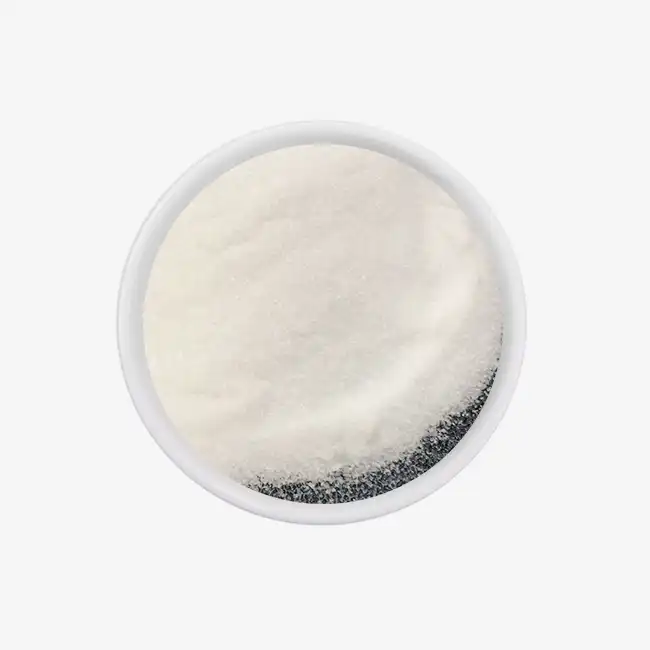
The potassium salt of acetic acid is called potassium acetate. It is a white, solid powder that dissolves very easily. Potassium cations and acetate anions are put together in the chemical structure to make a molecule with a molecular weight of 98.14 and a CAS number of 127-08-2.
Chemical Composition and Physical Properties
The substance gives about 46-48% potassium oxide (K2O) equivalent, which means it has a lot of nutritional value in every situation. The most interesting thing about it is how well it dissolves in water—about 253 grams dissolve fully in 100 millilitres of water at 20°C. This solubility is much better than that of common potassium sources, which lets a lot of different ways to use it, from fertigation systems to aerial sprays. Because the material is slightly hygroscopic, it needs to be stored in a dry, well-ventilated area away from wetness to keep its structure.
Bioavailability and Nutrient Release Mechanisms
Potassium acetate quickly breaks apart when it comes in contact with dirt or plant surfaces, producing potassium ions that plants receive right away through their roots or leaf surfaces. The acetate part does two things: it breaks down easily and provides organic carbon that good soil bacteria can use. This improves both the structure and activity of the microorganisms. This process makes the rhizosphere a good place to grow plants, which improves the general cycle of nutrients. The low molecular weight of the substance makes it easier for it to get through the leaf layers when applied directly to the leaves. This quickly fixes potassium shortages during important growth stages.
Plants use the potassium that is released to do important metabolic tasks like starting enzymes, making proteins, controlling photosynthesis, and keeping the water balance stable. Microbes break down the acetate part without leaving behind any dangerous substances, which is in line with clean and healthy farming principles. Potassium acetate is different from mineral fertilisers because it contains living things. It gives plants nutrients right away and also improves the health of the soil over time.
Compatibility with Sensitive Crops and Soil Types
Because it doesn't contain any chloride ions, this material is great for crops that are sensitive to chloride, like bananas, grapes, citrus fruits, tobacco, and many types of decorative plants. Chloride can build up in the soil from traditional potassium chloride fertilisers, which can cause poisoning signs and lower crop quality. Potassium acetate completely gets rid of this risk while still giving you the same amount of potassium nutrition. The compound's normal to slightly alkaline pH (7.5–8.5 in solution) keeps it from becoming too acidic, which can happen with some other potassium sources. This means it can be used in a wide range of soil types without needing to be pH-adjusted further.
Comparing Potassium Acetate with Other Potassium Fertilizers
Agricultural markets have a number of different potassium fertiliser choices, and each one has its own unique properties that affect its use and economic success. Knowing these differences helps you make smart buying choices that meet the needs of your crops and your business's limitations.
Potassium Acetate vs. Traditional Potassium Sources
The world's potassium fertiliser markets are dominated by potassium chloride, which is a muriate of potash that is easy to get and cheap. But it adds chloride ions that some plants can't handle well, and its salt index causes osmotic stress in systems that grow a lot of food. Solid potassium acetate gives plants potassium and an acetate ion without chloride, making it safe for sensitive plants. However, compared to potassium sulphate, it offers different solubility characteristics that need to be considered for specific agricultural applications.
Potassium nitrate is a compound that contains both potassium and nitrogen. It provides two nutritional benefits, but it costs more and there are worries about nitrate leaching in places where it rains a lot. Complex NPK fertilisers give plants a healthy diet, but they often have salt parts and aren't very good at dissolving in water.
Potassium acetate stands out because it dissolves more easily than other chemicals, which lets you make high-concentration liquids that stay solid even at low temperatures. Its low salt content lowers osmotic potential, which keeps root systems in greenhouses and hydroponic systems safe. The organic acetate part helps soil biology instead of just adding artificial ions, which helps reach long-term goals for soil health that are in line with sustainable agriculture efforts.
Solid vs. Liquid Formulations
In some situations, liquid potassium acetate solutions are easier to use, but the solid crystalline form is more practical and cost-effective. Transporting solid potassium costs less per unit because it doesn't have to carry water. It's still easier to store things because normal dry storage conditions are enough as long as the packages are sealed and kept away from wetness. Solid goods also make unique concentrations possible on-site, so workers can change the strength of the solution based on the needs of the crop and the powers of the application tools.
If you store it the right way, the solid form stays very stable for long periods of time. Users can keep their goods without worrying about it going bad, which helps with strategic buying planning and big purchasing. When needed, solid potassium acetate melts quickly, giving formulators more options without sacrificing ease of use.
Economic Considerations and Return on Investment
Material prices must be weighed against farming success and crop value returns when purchasing decisions are made. Potassium acetate is more expensive than potassium chloride, but its worth becomes even more appealing when it comes to high-value crops, where quality factors directly affect market profits. When salt exposure is stopped, the quality of speciality crops like wine grapes, processing tomatoes, and premium citrus types improves significantly. This leads to higher market prices that balance out differences in the cost of fertiliser.
Because absorption is better, application rates are lower, which makes it even more cost-effective. Because the combination works so well, it takes less of it to get the same or better results than using more of the usual sources. In precision agriculture, potassium acetate often has good economics when you look at the total cost of ownership, which includes application labour, machine wear, and environmental compliance factors.
Practical Application and Usage of Potassium Acetate Fertilizer
To use it correctly, you need to know the right way to apply it, how much to use, and what crops it will work best on so that you can get the most out of it while also staying safe and taking care of the environment.
Recommended Dosage and Application Methods
Application rates depend on the type of crop, the amount of nutrients in the soil, and the needs of the crop at that time of growth. Soil testing gives us the basic data we need to make accurate suggestions. For field crops, general rules say 50 to 150 kilograms per acre. Higher rates are okay for systems that grow a lot of vegetables and fruits. Split uses during the growth season often work better than a single big amount because they fit the supply of nutrients with the patterns of plant demand.
There are three main ways to apply that meet different operating needs:
- Soil Application: Spreading or incorporating solid potassium acetate into the soil before planting, or applying it as a side-dressing during crop growth, provides a sustained source of potassium. Its rapid solubility ensures that nutrients become available to plant roots through rainfall or irrigation. This method is well-suited for large-scale operations using standard application equipment.
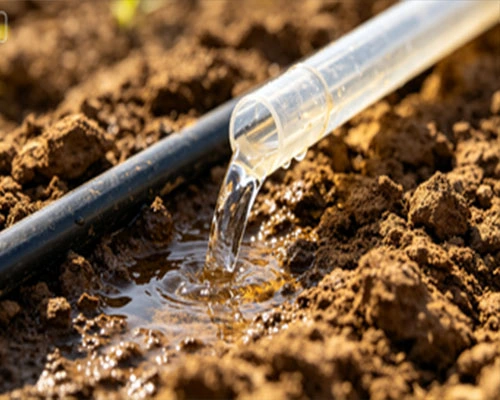
- Fertigation Systems: Adding solid potassium acetate to irrigation water allows it to dissolve completely, enabling precise nutrient delivery through drip or spray systems. Its high solubility prevents clogging and ensures uniform distribution across the growing area. This method is ideal for greenhouses and high-value crop production where controlled, frequent feeding is required.
- Foliar Feeding: Preparing diluted solutions (typically 0.5–2%) for foliar spraying provides a fast correction of potassium deficiencies during critical growth stages. The material’s low molecular weight and balanced pH improve leaf absorption while minimizing the risk of phytotoxicity. This method is especially effective in cool conditions or during stress periods when root uptake is limited.
- Application Considerations: Avoid foliar spraying during the hottest part of the day to prevent leaf burn, and ensure adequate soil moisture when applying to the ground to support nutrient movement toward roots. It is also important to maintain overall nutrient balance, particularly nitrogen and phosphorus levels, to optimize potassium uptake and utilization.
Crops Benefiting Most from Potassium Acetate
Even though all plants need potassium, some types respond very well to potassium acetate treatments. Speciality crops that are responsive to chloride get the biggest benefits, like better fruit quality, better disease protection, and better storage properties.
Better cold hardiness, more sugar buildup, and better colour development are all good for grape output. Better fire traits and fewer sharp flavours that come from chloride make the quality of the tobacco better. Citrus fruits have better peel quality, more juice, and can stay fresh longer. Fruits from vegetable crops like tomatoes, peppers, and onions are firmer and have more nutrients.
During important phenological stages like bloom support, fruit set, and pre-harvest ripening, when potassium demand is highest, fruit trees react positively. Because the material is easy to get, nutrients get to growing vegetables at the time when they have the most impact on quality factors. Ornamental production benefits from stronger stems, brighter flowers, and plants that last longer after harvest, all of which fetch higher prices on the market.
Safety Protocols and Environmental Profile
Standard chemical safety rules must be followed when working with solid potassium acetate. During material handling and solution preparation, workers should wear the right personal safety equipment, such as gloves and eye protection. Even though the substance is not very dangerous, it is still best to avoid direct skin touch and breathing in dust particles. Airborne particles don't bother your lungs when there is enough circulation during mixing operations.
Facilities for storing things should keep them dry and stop damage to packages that could let moisture into the air. Keeping things away from things that don't go with them, especially strong oxidising agents, is important for keeping things stable and keeping the workplace safe. Even though some versions of the material are food-grade, it should never be kept near food or animal feed. This is to keep farming and edible materials separate.
Potassium acetate is a chemical that is good for activities close to sensitive ecosystems because it is safe for the environment. Microorganisms in the dirt break down the acetate component completely, leaving no lasting leftovers. Potassium acetate doesn't pose much of an environmental risk when used according to farming guidelines, unlike nitrate-based fertilisers that pollute groundwater or chloride sources that build up in soil profiles. This description helps businesses follow the rules and is in line with their environmental pledges, which are becoming more important in farming supply chains.
Procurement Insights for Solid Potassium Acetate Fertilizer
More than just price needs to be taken into account when looking for solid potassium acetate source partnerships. Long-term relationship success depends on consistent quality, following the rules, and reliable logistics.
Supplier Selection Criteria
Quality certificates are important for making sure that factory standards are met and that products are always the same. Getting ISO 9001 approval shows that you are dedicated to quality management systems with well-thought-out procedures and rules for constant growth. Products that are meant to be grown in organic systems should have the right organic approval from a recognised organization. For some areas, food-grade uses need extra approvals like KOSHER and HALAL.
Superior providers set themselves apart by their analytical skills and by including full certificates of analysis with every package. There should be proof of the amount of potassium, cleanliness, heavy metals not present, and moisture content. Third-party testing adds trustworthiness to proof for apps that care about quality.
Supply dependability is affected by how much can be made and how material is managed. If suppliers keep enough safety stock on hand, they can handle both pressing orders and regular demand spikes without having to wait longer for supplies. For wholesalers who serve a wide range of market groups, the ability to handle custom specs or unique packing needs adds value to the production process.
Bulk Purchasing Advantages and Logistics
When you commit to buying a lot of something, you can often get better terms that help wholesalers and large-scale farming operations compete. There are different types of packaging, from 25-kilogram weave bags that are good for store sales to 1000-kilogram bulk bags that make transportation more efficient for big users. Optimising the loads that go into containers cuts down on the cost of shipping each unit and makes it easier to clear customs for foreign shipments.
Lead times depend on how much work the seller can do and how big the order is. Standard orders are usually filled within 5 to 7 working days from the confirmation from established sources with enough production capacity. Custom formulas or special packing may add time to the process, so it's important to plan ahead for times of high demand. Knowing when things are made and shipped lets you plan your collection in a way that balances costs and the risk of running out of items.
When transporting things, one thing that needs to be thought about is keeping them dry during travel. Good sellers tell you how to handle their products properly and give you the right packaging so that the products stay intact during normal shipping conditions. Documentation should include information on how to store things and how long they will last, so that the building can be managed properly.
International Trade Considerations
When you buy something across borders, you have to follow rules that are different in each target country. The division of an import determines the tax rates and the paperwork that is needed. Most places put potassium acetate in the fertiliser category, which is generally a good trade item. However, some rules say that you have to check before you agree.
Standard paperwork for importing things includes phytosanitary certificates, certificates of origin, and material safety data sheets. To sell a product in some places, it has to be registered first, which involves testing it locally and sending it to the right authorities. Working with experienced goods forwarders who know how to handle the handling of farm chemicals speeds up the customs process and lowers the risk of delays.
Transaction economics is affected by the terms of payment and the value of the currency. Credit terms are often available from established sellers to approved buyers, which makes managing cash flow easier. Letters of credit give both parties peace of mind when starting a new business relationship. For big, regular purchases where the exchange rate can change, currency trading techniques might be worth looking into.

Conclusion
Fertilizer solid potassium acetate has proven to be a clever source of potassium that can help farmers with important problems that regular fertilisers can't fully fix. Because it dissolves easily, doesn't contain chlorides, and doesn't harm the environment, it is very useful for growing speciality crops, using precise agriculture systems, and running sustainable farms. While the substance is more expensive than common potassium sources, it offers great value by improving food quality, giving businesses more freedom, and helping them be better environmental stewards. Sustainable and precise farming are becoming more popular in the market, which means that this improved nutrition material will likely continue to grow. When purchasing potassium fertilisers, people in charge should think about the benefits of potassium acetate. This is especially true for situations where food quality, soil health, and environmental performance make it worth spending more on premium nutrients.
FAQ
Are all kinds of crops safe to grow with potassium acetate?
Potassium acetate is safe for a wide range of crops when used according to farming standards. The material is good for almost all plants that need potassium, but it's especially good for types that are sensitive to salt. Over-application risks can be avoided by using the right amount of fertiliser based on the results of a soil test and crop-specific rules. It is safer for sensitive plants and busy production systems than many other options because it has a normal pH and a low salt index.
In general, how long does solid potassium acetate last?
When kept in the right way, in sealed cases in dry, well-ventilated buildings away from moisture, solid potassium acetate stays in good quality for at least 24 months. Because the material is hygroscopic, it needs to be kept away from moisture that could cause it to harden or dissolve. Damaged packaging should be resealed or moved to cases that can't hold water to keep the product's structure while it's being stored.
How well does potassium acetate work on soils that are sensitive to salt?
Potassium acetate works great in salty or salt-affected soils where other potassium sources would make the problem worse. Its low salt index keeps plant roots from being stressed by osmotic pressure, and the lack of chloride stops more salt from building up. Because the acetate component breaks down naturally, it doesn't leave behind any waste that won't go away. This makes it perfect for recycling projects and long-term production in tough soil conditions.
Partner with Zhaoyi Chemical for Premium Fertilizer Solutions
Shanxi Zhaoyi Chemical Co., Ltd. has been making high-quality acetate for over 30 years and sells it to farming markets all over the world. Our fertiliser solid potassium acetate is very pure, at least 99.0%, and has been shown to have K2O values of 46-48%. This means that it works the same way in a wide range of situations. We are a reliable supplier of fertiliser solid potassium acetate for agricultural distributors, speciality crop growers, and precision farming operations all over North America. Our annual production capacity is up to 150,000 tonnes, and we have a number of quality certifications, such as ISO 9001, KOSHER, and HALAL. Our expert support team helps you with applications and makes solutions that are specific to your crop needs and business needs. Contact us at sxzy@sxzhaoyi.com to talk about options for buying in bulk, low seller prices, and reliable services that will help your farming business reach its goals.
References
Havlin, J.L., Tisdale, S.L., Nelson, W.L., and Beaton, J.D. (2014). Soil Fertility and Fertilizers: An Introduction to Nutrient Management (8th ed.). Pearson Education.
Marschner, P. (ed.) (2012). Marschner's Mineral Nutrition of Higher Plants (3rd ed.). Academic Press.
International Fertilizer Association (2019). Assessment of Fertilizer Use by Crop at the Global Level. IFA Technical Report.
Zörb, C., Senbayram, M., and Peiter, E. (2014). "Potassium in agriculture—Status and perspectives." Journal of Plant Physiology, 171(9), 656-669.
Römheld, V., and Kirkby, E.A. (2010). "Research on potassium in agriculture: Needs and prospects." Plant and Soil, 335(1), 155-180.
Hopkins, B.G., Horneck, D.A., and MacGuidwin, A.E. (2014). "Improving phosphorus use efficiency through potato rhizosphere modification and extension." American Journal of Potato Research, 91(2), 161-174.

USER EVALUATE
Here is the customer's evaluation of us