

Sodium Acetate Trihydrate
Sodium Acetate Trihydrate
 VIEW MOREBread Sodium Acetate Trihydrate
 VIEW MOREPrinting & Dyeing Sodium Acetate Trihydrate
 VIEW MORETextile Sodium Acetate Trihydrate
 VIEW MORECatalytic Sodium Acetate Trihydrate
 VIEW MORECarbon Source Sodium Acetate Trihydrate
 VIEW MORESewage Sodium Acetate Trihydrate
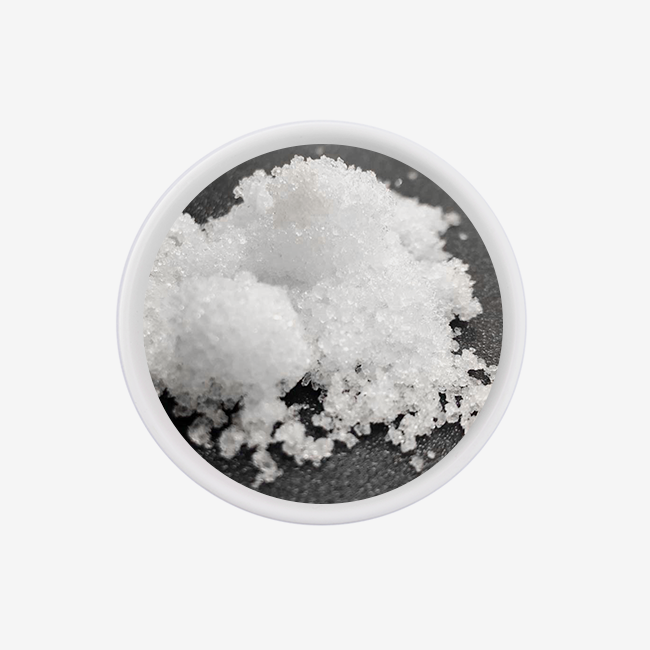
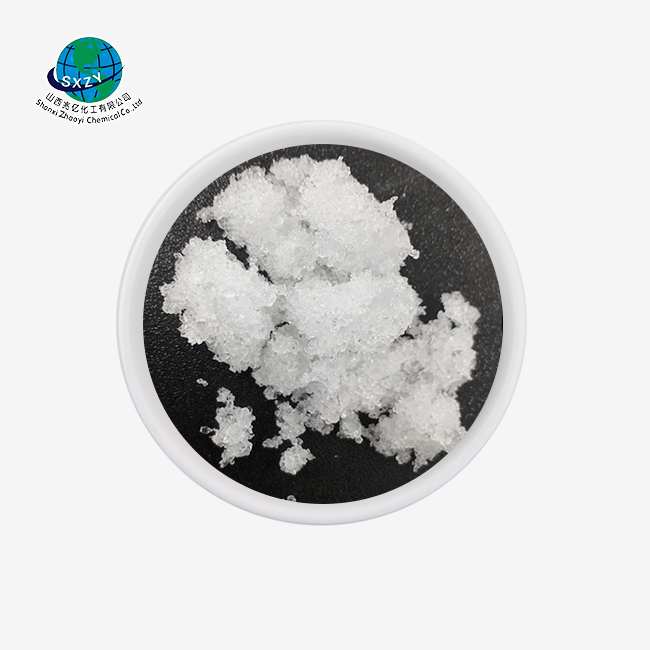
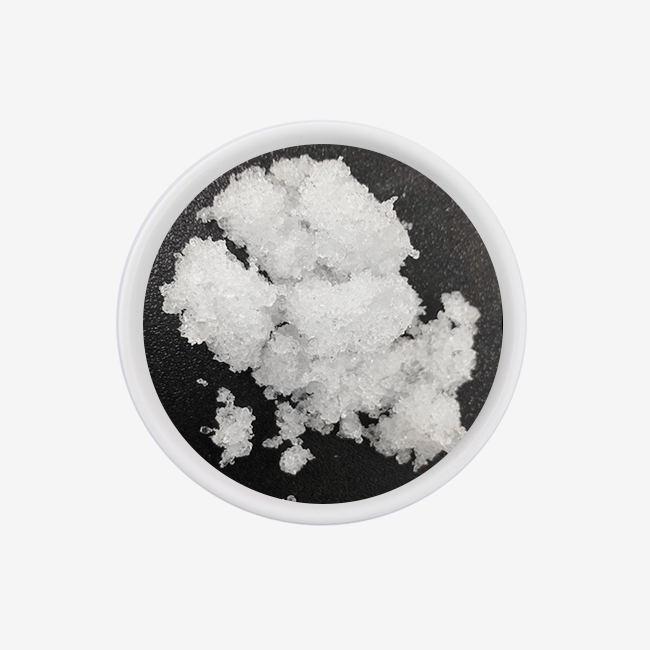
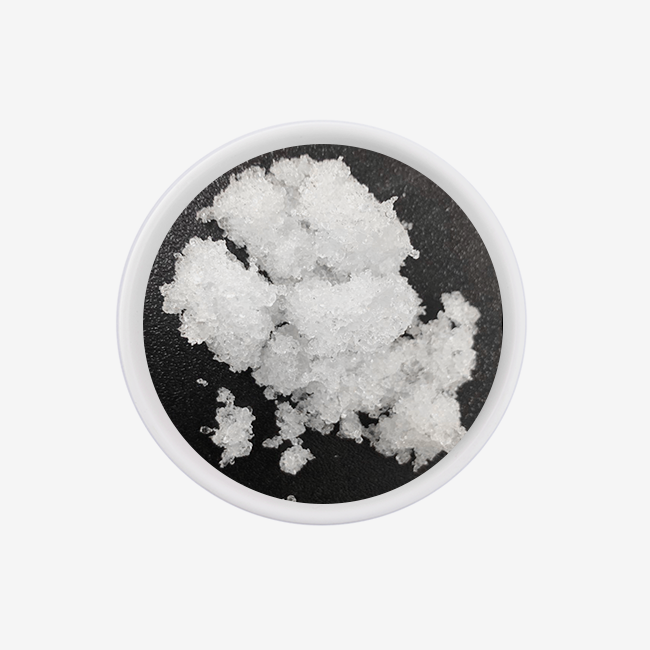
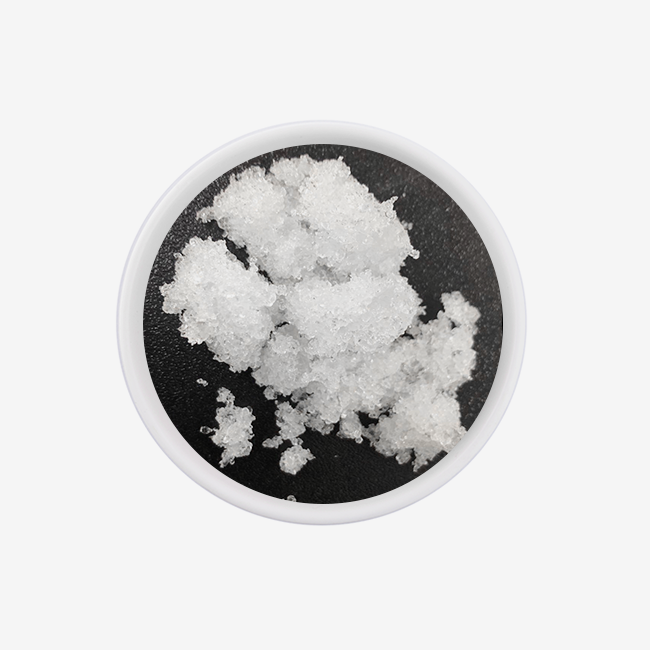
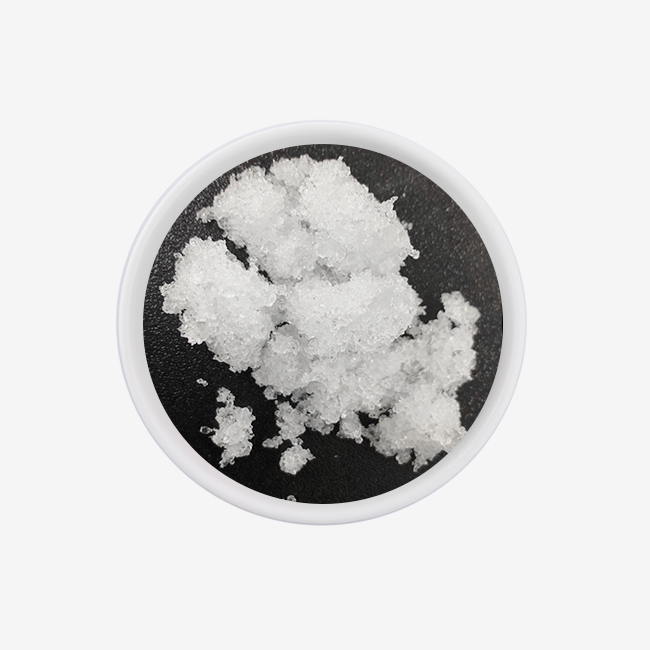
Sodium Acetate Trihydrate — CH3COONa·3H2O, CAS 6131-90-4 — shows up as clear crystals or a white crystalline powder. Molecular weight: 136.08. Most folks know it by its food code, E262(ii), and for good reason: when you need pH buffering at scale without blowing the budget, this is the acetate salt people reach for. It's everywhere. Food factories, pharmaceutical lines, textile dyeing operations, and municipal wastewater plants across the globe all move serious tonnage of this stuff.
The numbers worth knowing: active sodium acetate runs 58–60%, with the rest being water of crystallization you'll lose on drying — about 36–41%. A 1% solution in water gives you pH 7.5–9.0, mildly alkaline territory. It dissolves to the tune of 762 g/L at 20°C. Melts at 58°C, and here's a fun quirk — it actually kicks out heat as it crystallizes, which is why it shows up in those reusable hand-warmer pads.
We stock Sodium Acetate Trihydrate in food grade (FCC/E262), pharma grade (USP/BP), and industrial grade. Packaging-wise, you're looking at 25 kg woven bags with PE liners, 1000 kg jumbo bags, or whatever custom setup your logistics team prefers.
Now for what it actually does. Food industry? It preserves, controls acidity, and boosts flavor in processed meats, baked goods, sauces, and snack seasonings. Wastewater? It's an external carbon source that denitrifying bacteria gobble up fast — nitrogen removal rates jump over 30% compared to methanol. Leather tanneries use it for pickling and chrome tanning, textile folks run it as a mordant, and photographic processing has its own set of applications.
Storage smarts: Cool, dry, ventilated, sealed tight. The thing's hygroscopic — let moisture in and it'll cake up on you.
Food safe? Absolutely, provided you're using food-grade material that meets FCC and E262(ii) specifications. Just confirm the grade before it hits your production line.
Shelf life: 24 months in the original packaging, stored right.
If your production line depends on a steady trihydrate supply, grab a free sample and the latest pricing from our team.