

Sodium Diacetate
Sodium Diacetate
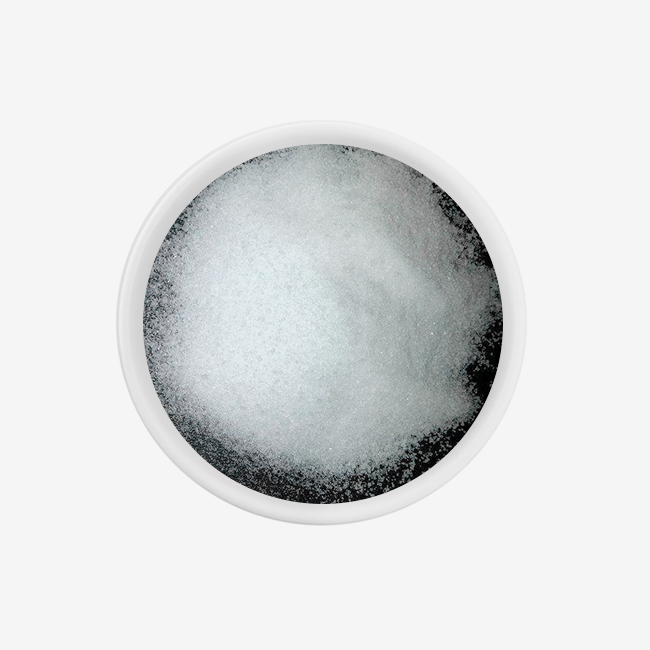 VIEW MOREFood-Grade Sodium Diacetate
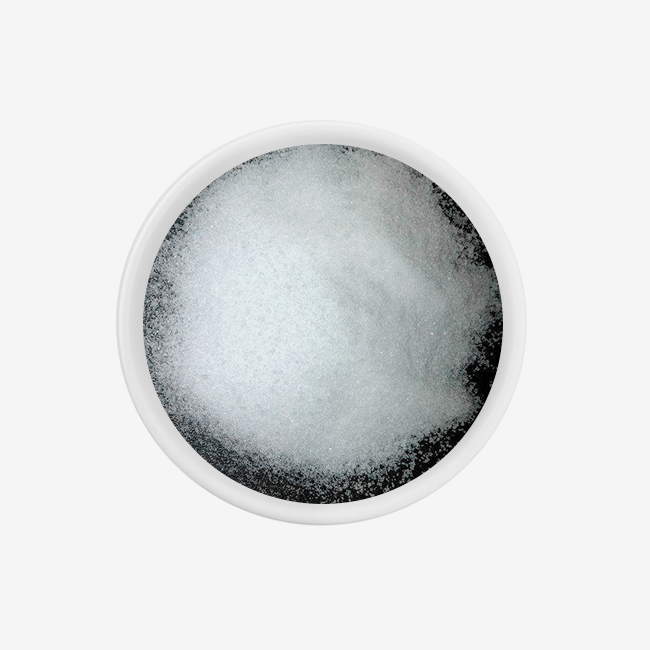 VIEW MOREFresh-Keeping Sodium Diacetate
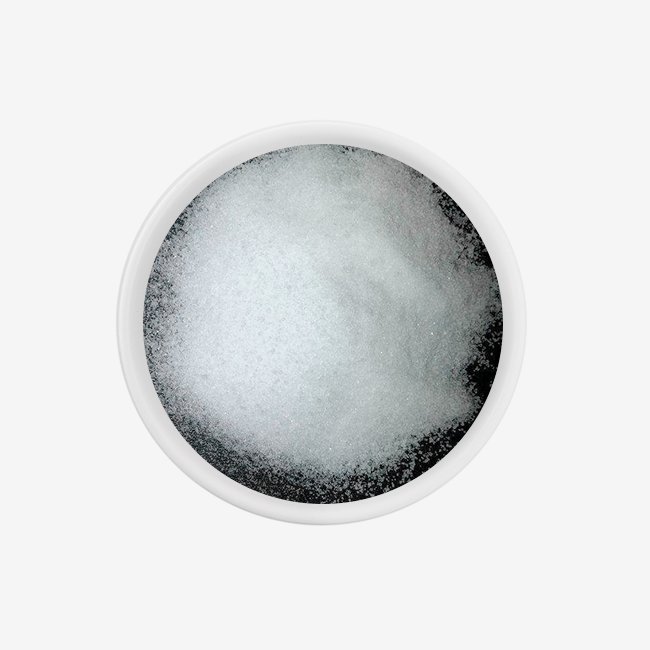 VIEW MOREPreservative Sodium Diacetate
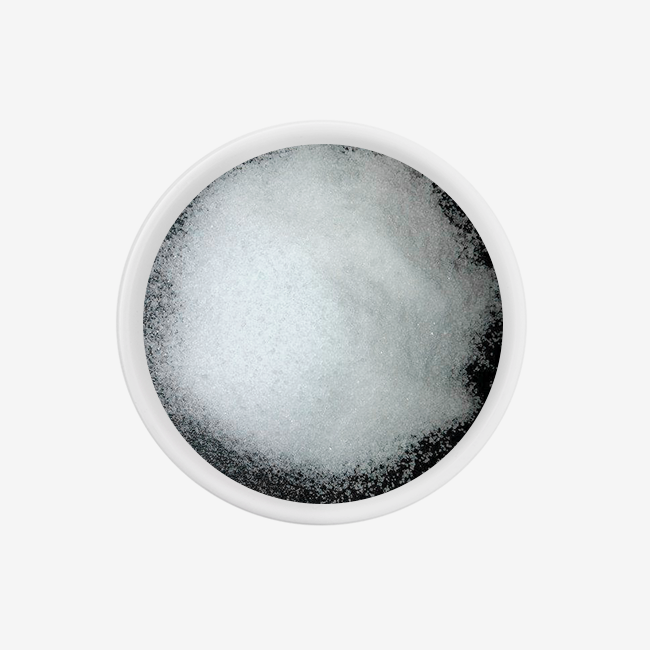 VIEW MOREFeed-Grade Sodium Diacetate
 VIEW MOREFeed Preservative Sodium Diacetate
 VIEW MOREFeed Fresh-Keeping Sodium Diacetate
 VIEW MOREFeed pH Adjustment Sodium Diacetate
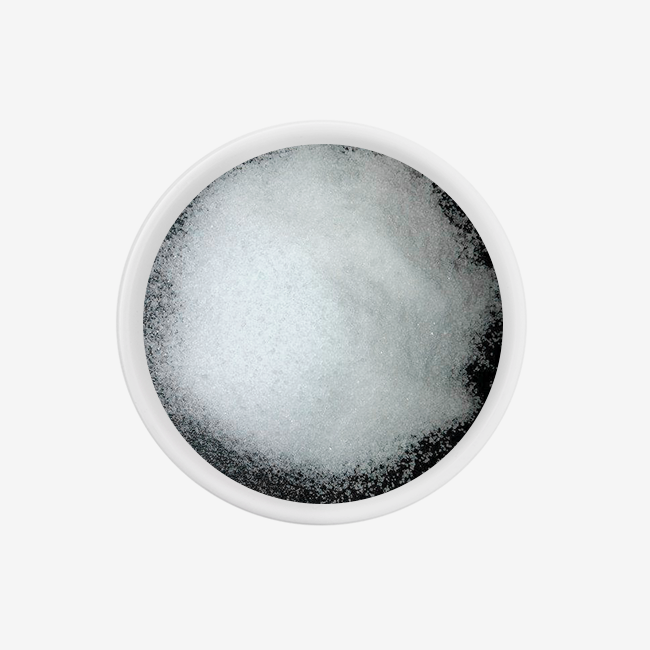
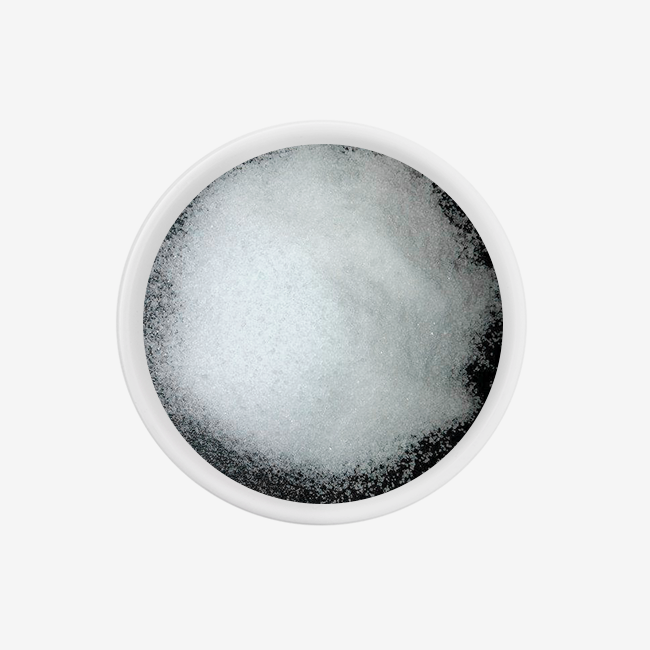
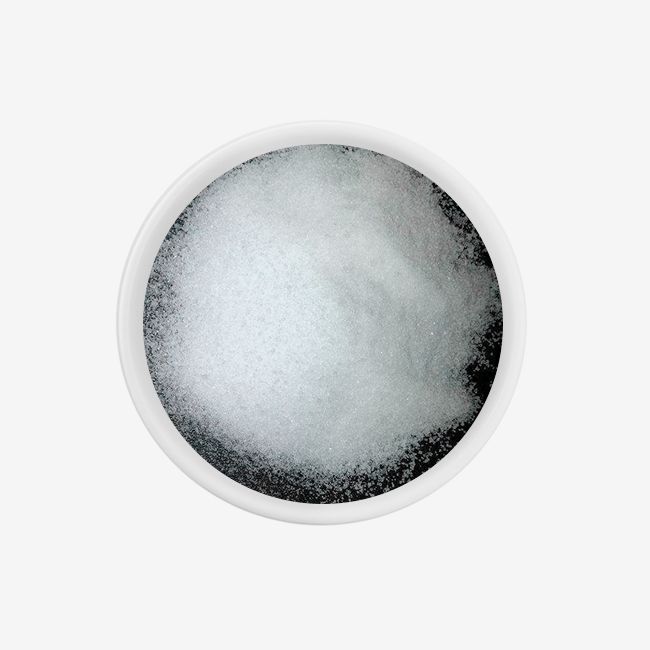
Sodium diacetate — C4H7NaO4, CAS 126-96-5 — is a 1:1 molecular compound of sodium acetate and acetic acid, and if you're in food manufacturing, you probably know it as E262(ii). White crystalline powder, mild acetic smell, molecular weight 142.09. The reason it's everywhere in meat processing, baking, snacks, and animal feed? It pulls double duty: antimicrobial punch plus flavor enhancement, both from the same ingredient. Few preservatives can claim both functions in one molecule.
The spec sheet: free acetic acid at 39.0–41.0% on a dry basis, sodium acetate at 58.0–60.0%. A 10% solution reads pH 4.5–5.0. Moisture stays at or under 2.0%. Mesh sizes run 30–80 or 80–120 depending on what your mixing setup prefers. GRAS status — FDA, WHO/FAO, and EU all give it the nod. Takes on mold, yeast, and bacteria including Listeria monocytogenes, which is the one that keeps QA managers up at night.
In meat plants, it knocks down pathogenic bacteria, keeps color looking right, and stretches shelf life — without that chemical aftertaste some preservatives leave behind. Bakeries use it to stop rope formation and mold without messing with yeast fermentation — tricky balance, but it pulls it off. Snack manufacturers lean on it for that salt-and-vinegar punch while keeping things crunchy. Animal feed operations count on it for mold prevention during storage and as an acidity regulator that improves how animals absorb nutrients.
It also shows up in grain preservation, sauces and dressings, and pharmaceutical pH control.
Versus sodium benzoate or potassium sorbate — how does it compare? Broader antimicrobial spectrum, works across a wider pH range, and adds flavor enhancement that the others simply can't touch.
Safety? GRAS from the FDA, approved by WHO/FAO and EU regs. It's been in the food supply for decades.
Dosing for meat products? Usually 0.1–0.4% by weight, depending on what you're making and how long of a shelf life you're targeting. Check your local regs before locking in a formula.
If you need a sodium diacetate supplier that delivers consistent quality for food or feed production, request the spec sheet and a free sample.