



Application of Sodium Acetate Series Carbon Source Products in Chemical/Textile Dyeing and Finishing Industry Wastewater Treatment
Industrial wastewater from chemical and textile dyeing enterprises is characterized by high nitrate nitrogen levels, significant batch-to-batch variations in water quality, and insufficient biodegradable carbon sources, which often result in low efficiency of biochemical nitrogen removal and non-compliance with total nitrogen and COD discharge standards. The following four core products can precisely meet the requirements of this scenario, as detailed below:
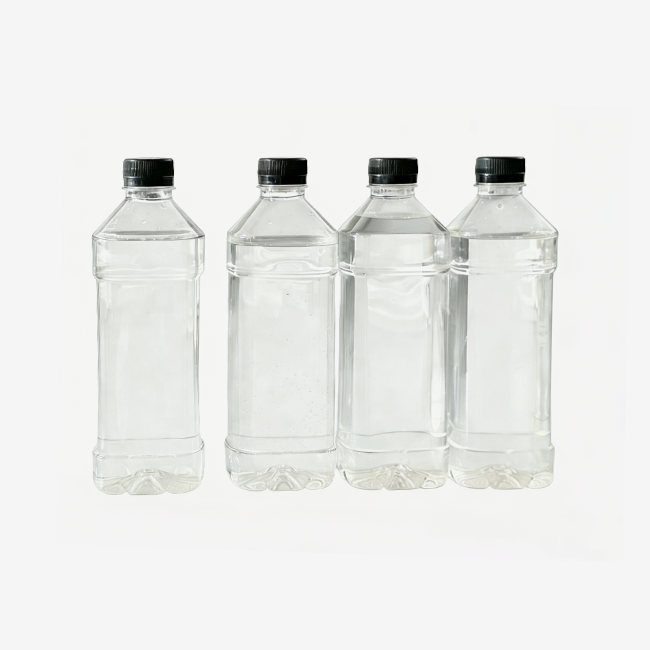
1. Liquid sodium acetate (industrial grade 20%/25%)
Core function: As the primary carbon source for denitrification, it provides microorganisms with readily available nutrients, efficiently degrades nitrate nitrogen in wastewater, and simultaneously buffers the acidity of dyeing wastewater while stabilizing the pH of the biochemical system.
Product Advantages: The liquid product requires no dissolution and is compatible with automated continuous dosing; the denitrification rate far exceeds that of methanol and starch, with no difficult-to-degrade by-products, non-flammable and non-explosive, ensuring safe storage and transportation.
Usage: Calculate the dosage based on a carbon-to-nitrogen ratio of ≥4.5:1. The standard dosage concentration is 40-60 mg/L, which should be directly added to the denitrification tank. Adjust the dosage in real-time according to water quality fluctuations.
Common issues: Crystallization at low temperatures may occur, requiring proper pipeline insulation; Excessive dosing may increase effluent COD.
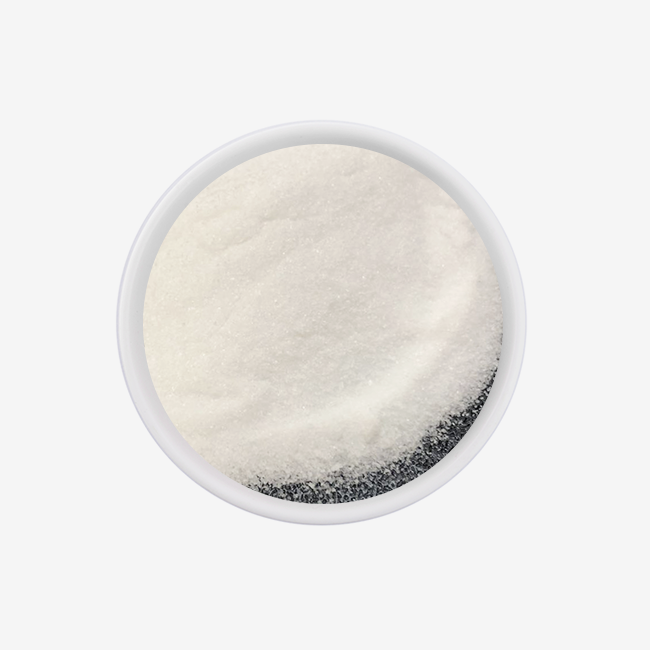
2. Sodium acetate (industrial grade, 58%-60%)
Core function: Serves as a conventional carbon source supplement for small-to-medium chemical and dyeing plants, balancing denitrification/denitrogenation with pH buffering, stabilizing microbial activity, and assisting in the degradation of residual dyes in dyeing wastewater.
Product Advantages: Solid crystallization ensures convenient storage and transportation, compatible with intermittent production conditions; stable purity, good flowability, low tendency to caking, rapid denitrification startup, and lower overall cost.
Usage: Prepare a 20%-30% aqueous solution and add it to the denitrification section. Calculate the dosage precisely based on the total nitrogen in the influent to avoid co-dissolution with strong acid reagents in the same tank.
Common issues: High hygroscopicity; after opening, it must be sealed to prevent caking; incomplete dissolution may lead to pipeline blockage.
3. Anhydrous Sodium Acetate (Industrial Grade 98%-99%)
Core function: A high-concentration, fast-acting carbon source, suitable for treating high-nitrate nitrogen wastewater from chemical plants and high-load wastewater from dyeing and printing industries. It effectively addresses water quality and quantity fluctuations, rapidly enhancing denitrification efficiency.
Product Advantages: High effective carbon content, requiring less dosage for equivalent denitrification efficiency; extremely low impurities, ensuring no interference with subsequent advanced treatment; weak hygroscopicity, extending storage duration.
Usage: Prepare as a 10%-20% aqueous solution for application, primarily used for emergency carbon supplementation. It can be combined with liquid sodium acetate to reduce costs. Ensure proper tank cooling during dissolution.
Common issues: The dissolution process is exothermic and requires temperature control; high-concentration solutions are prone to crystallization at low temperatures.
4. Composite Carbon Sources
Core function: A long-lasting composite carbon source designed for stable operation in complex wastewater systems, effectively addressing both nitrogen removal and degradation of recalcitrant organic compounds, while maintaining performance under low-temperature and low-load conditions.
Product Advantages: Superior bioavailability compared to single carbon sources, low freezing point with no crystallization at low temperatures; reduces residual sludge production, and exhibits strong compatibility with pharmaceuticals in dyeing/chemical wastewater.
Usage: The original solution is directly added to the denitrification tank without dilution. The dosage is dynamically adjusted according to water quality and compatible with automated systems.
Common issues: Significant differences in compatibility among different formulations require preliminary pilot testing; storage must be sealed to prevent contamination by foreign microorganisms.
5.Industry Use Cases
A large-scale textile dyeing and finishing enterprise with a wastewater treatment capacity of 20,000 m³/d faced persistent total nitrogen (TN) exceedance in effluent, despite raw water containing 45 mg/L total nitrogen and a carbon-to-nitrogen ratio of merely 2.8:1. The plant implemented a 25% industrial-grade sodium acetate solution as an external carbon source. After achieving a 45 mg/L concentration, effluent TN levels stabilized below 8 mg/L, with COD and color parameters meeting standards simultaneously. This approach increased denitrification efficiency by 62%, reduced annual treatment costs by 14% compared to traditional carbon sources, and eliminated both safety risks and secondary pollution.

USER EVALUATE
Here is the customer's evaluation of us
YOU MAY LIKE
 VIEW MORE50%-60% Liquid Potassium Acetate
 VIEW MOREDairy Product Sodium Acetate Trihydrate
 VIEW MORESnow Melting Solid Potassium Formate
 VIEW MOREOilfield Solid Potassium Formate
 VIEW MOREAgricultural Liquid Potassium Acetate
 VIEW MOREMetal Bridge Solid Potassium Acetate
 VIEW MORETextile Sodium Acetate Trihydrate
 VIEW MORECarbon Source Sodium Acetate Trihydrate