



Application of Sodium Acetate Series Carbon Source Products in Sewage Treatment Station in Low Temperature Region
In cold regions, wastewater treatment plants face persistent challenges during winter, including low water temperatures, abrupt microbial activity decline, crystallization of conventional carbon sources, and insufficient denitrification efficiency, making it difficult to consistently meet total nitrogen discharge standards. The following four sodium acetate product series are specifically designed to meet these low-temperature operational requirements. Details are as follows:
1. Liquid sodium acetate (industrial grade 20%/25%)
Core function: Serves as the primary carbon source for denitrification in low-temperature wastewater treatment plants, providing rapid nutrients for denitrifying bacteria in cold environments. It maintains microbial activity, ensures efficient nitrogen removal during winter, and simultaneously stabilizes the pH of the biochemical system.
Product Advantages: Resistant to delamination at low temperatures, eliminates on-site dissolution to prevent freezing risks, demonstrates significantly faster denitrification initiation than methanol or starch, produces no refractory by-products, is non-flammable and non-explosive, ensuring safe storage, transportation, and usage.
Usage: Calculate the dosage based on a carbon-to-nitrogen ratio of ≥4.5:1. The standard dosage concentration is 35-60mg/L, which should be directly added to the denitrification tank. In extreme low-temperature conditions, the dosage may be increased by 10%-15%. The storage tank should be insulated as a basic measure.
Common issues: Extreme low temperatures below-10℃ may cause crystallization, requiring heating and insulation for pipelines and storage tanks; excessive dosing may increase COD in the effluent.
2. Sodium acetate (industrial grade, 58%-60%)
Core function: Serves as a conventional carbon source supplement for small-to-medium-scale low-temperature wastewater treatment plants, balancing denitrification/denitrogenation and pH buffering to maintain stable biochemical system operation under low-temperature conditions, compatible with intermittent operation modes.
Product Advantages: High freezing point, low-temperature storage with minimal caking tendency, excellent flowability; superior low-temperature dissolution rate compared to conventional solid carbon sources, controllable overall cost, and convenient procurement, storage, and transportation.
Usage: Prepare a 20%-30% aqueous solution with 15-25°C warm water and add it to the denitrification section. Calculate the dosage precisely based on the total nitrogen in the influent. Use immediately after dissolution to avoid low-temperature crystallization.
Common issues: Inadequate dissolution at low temperatures may lead to blockage of dosing pipelines; high hygroscopicity requires sealed and dry storage to prevent caking and failure.
3. Anhydrous Sodium Acetate (Industrial Grade 98%-99%)
Core function: A high-concentration, fast-acting carbon source that addresses microbial activity deficiency and significant carbon source shortages in low-temperature conditions, rapidly enhancing denitrification efficiency and enabling emergency treatment of winter water quality and quantity surges.
Product Advantages: Higher effective carbon content, superior low-temperature bioavailability compared to sodium acetate trihydrate; minimal impurities, lower solution freezing point, resistance to moisture absorption and clumping during storage, suitable for emergency carbon supplementation scenarios in winter.
Usage: Prepare a 10%-15% aqueous solution with warm water for application, primarily used in emergency winter conditions. It can be combined with liquid sodium acetate to reduce costs. Ensure proper water temperature control during dissolution.
Common issues: The dissolution process releases heat, making the tank prone to condensation due to temperature differences at low temperatures; high-concentration solutions are susceptible to crystallization under extreme cold conditions and require thermal insulation for storage.
4. Composite Carbon Sources
Core function: A specialized long-lasting carbon source for low-temperature applications, designed to ensure stable long-term operation of wastewater treatment plants in cold regions. It effectively activates microbial activity even under extreme low temperatures, enhances denitrification efficiency, and simultaneously reduces the production of excess sludge.
Product Advantages: Low freezing point, no crystallization or stratification at-20°C without heating; significantly higher bioavailability than single sodium acetate products at low temperatures, with denitrification rate increasing by over 30%, substantially reducing winter sludge disposal costs.
Usage: The concentrate is directly added to the denitrification tank without dilution. The standard dosage is 30-50mg/L, which can be dynamically adjusted according to winter water temperature variations and is compatible with automated dosing systems.
Common issues: Significant differences in low-temperature performance exist among different formulations, necessitating preliminary pilot testing to confirm compatibility. Long-term storage requires sealing to prevent product deterioration caused by microbial contamination.
5.Industry Use Cases
A wastewater treatment plant in a cold-region area with a daily capacity of 5,000 m³ faced persistent challenges during winter, including water temperatures consistently below 6°C and extreme lows reaching-22°C. The raw water exhibited a carbon-to-nitrogen ratio of merely 3.2:1, while methanol-based carbon sources were prone to freezing and inefficient denitrification, resulting in chronically elevated total nitrogen levels in effluent. After switching to a specialized low-temperature composite carbon source at a concentration of 40 mg/L, the plant resolved crystallization blockages, achieved a 42% improvement in denitrification efficiency, stabilized total nitrogen below 10 mg/L, and reduced winter operating costs by 18% compared to methanol-based methods, effectively overcoming denitrification challenges under low-temperature conditions.

USER EVALUATE
Here is the customer's evaluation of us
YOU MAY LIKE
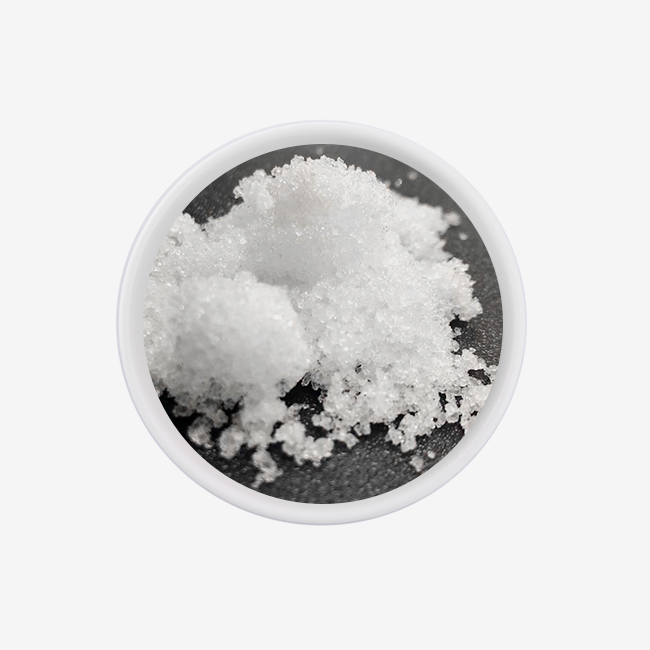 VIEW MOREMeat Sodium Acetate Trihydrate
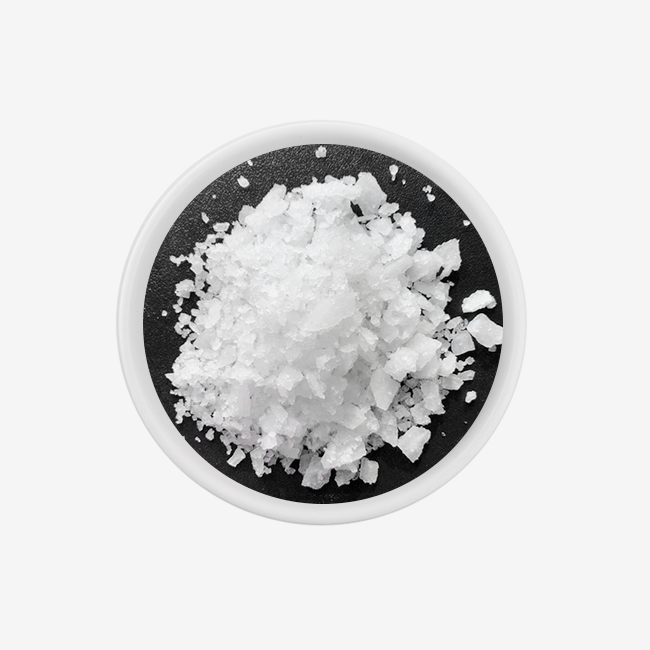 VIEW MOREPharmaceutical Intermediate Liquid Potassium Formate
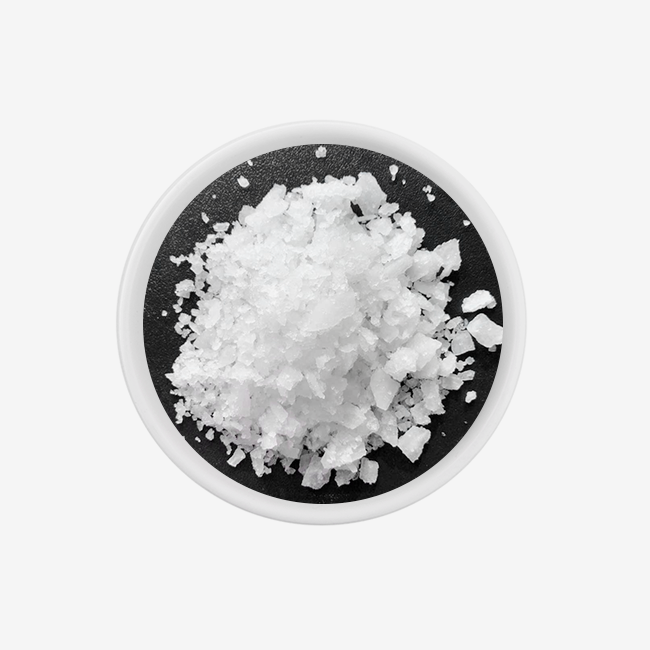 VIEW MORESnow Melting Solid Potassium Formate
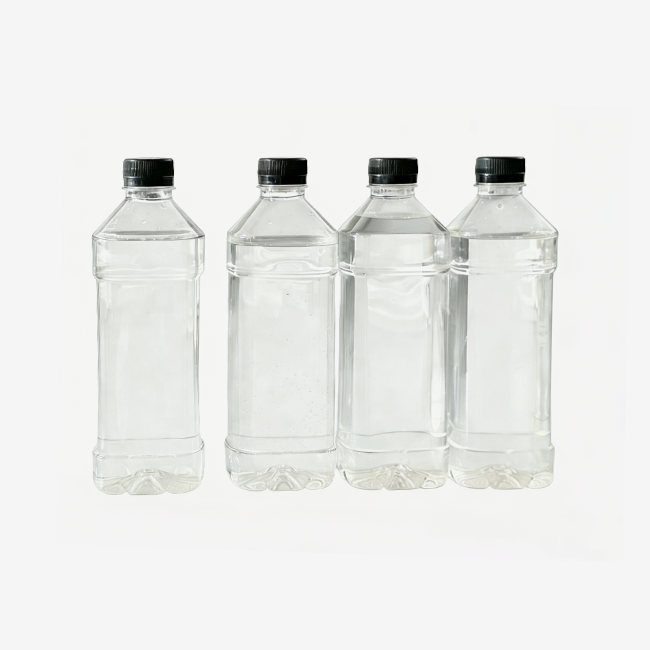 VIEW MOREAgricultural Liquid Potassium Acetate
 VIEW MOREPharmaceutical Solid Potassium Acetate
 VIEW MOREMetal Bridge Solid Potassium Acetate
 VIEW MOREInjection Sodium Acetate Trihydrate
 VIEW MOREBread Sodium Acetate Trihydrate