

Sodium Acetate
Sodium Acetate
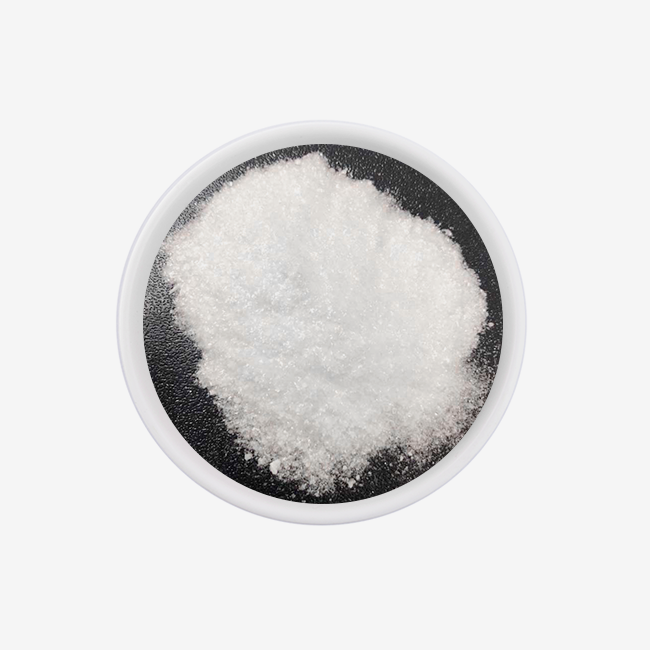 VIEW MOREPreservative Sodium Acetate Anhydrous
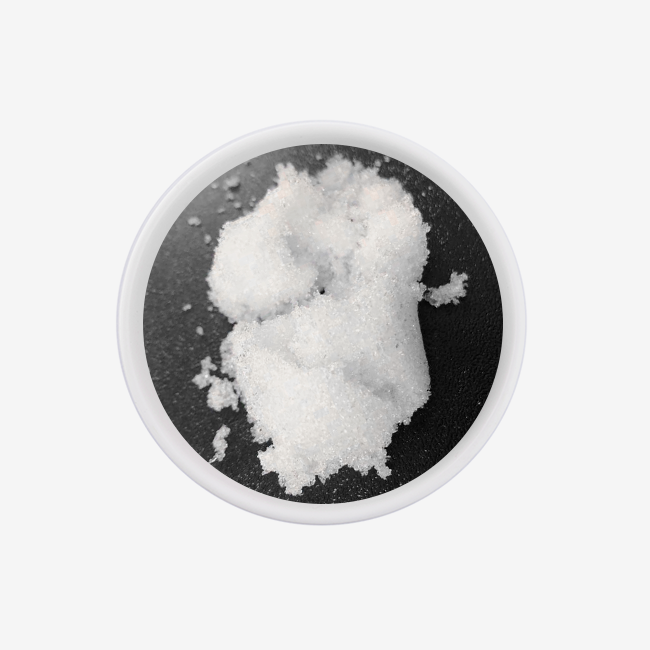 VIEW MOREPharmaceutical Intermediate Sodium Acetate Trihydrate
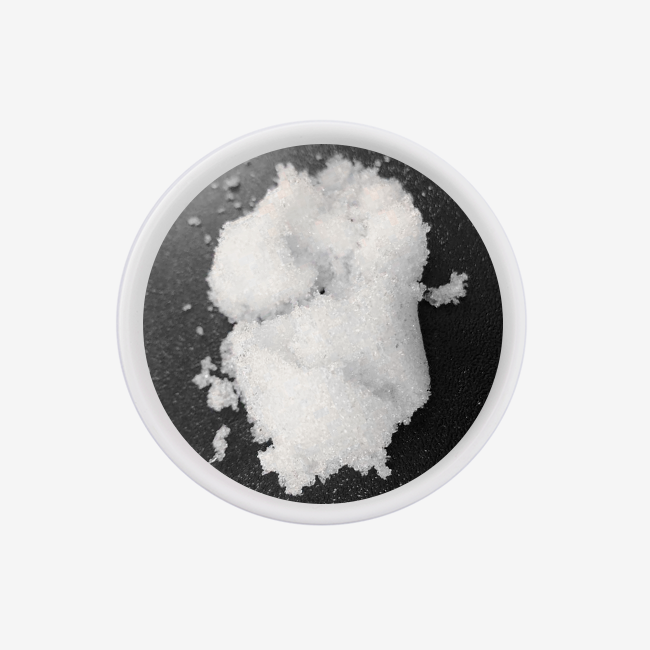 VIEW MOREAntibiotic Sodium Acetate Trihydrate
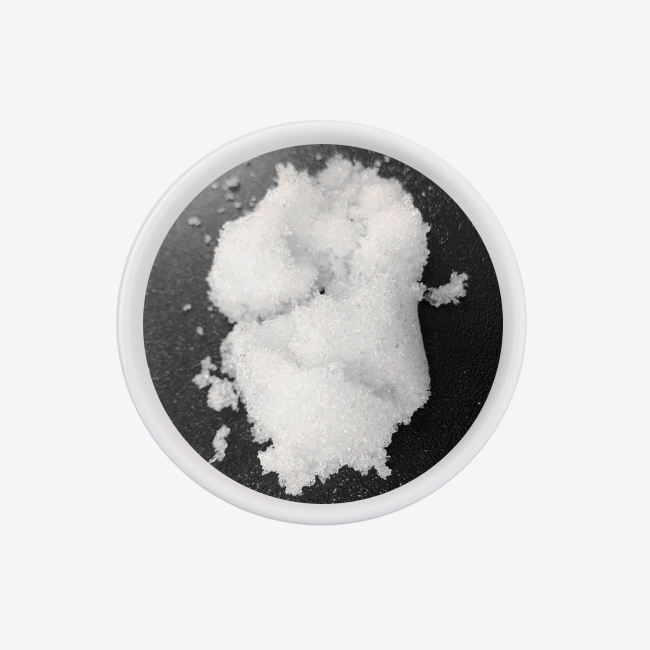 VIEW MOREInjection Sodium Acetate Trihydrate
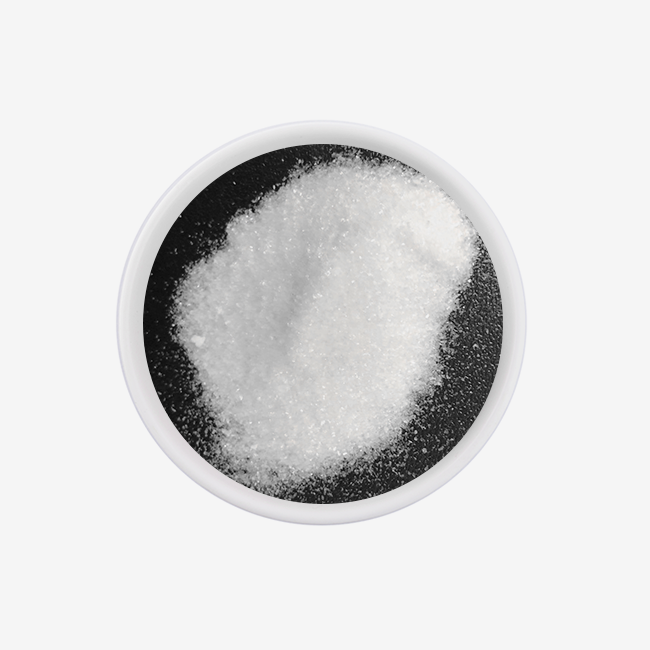 VIEW MORESewage Sodium Acetate Anhydrous
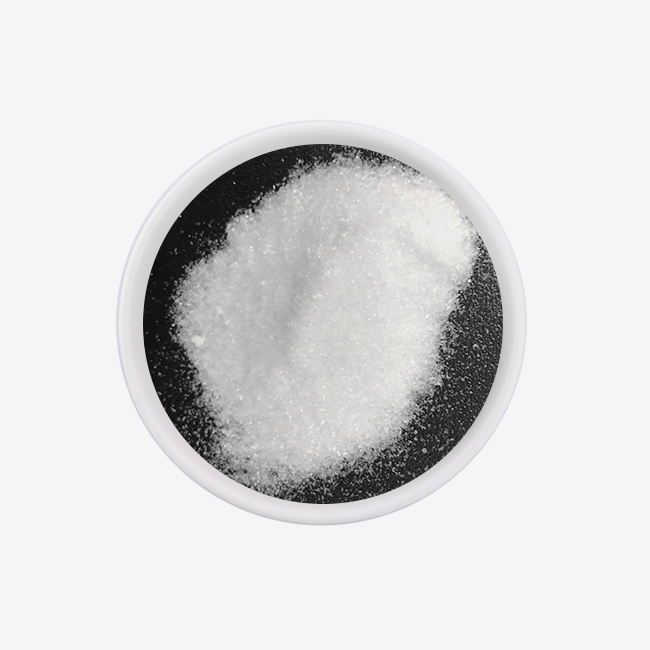 VIEW MOREPrinting & Dyeing Sodium Acetate Anhydrous
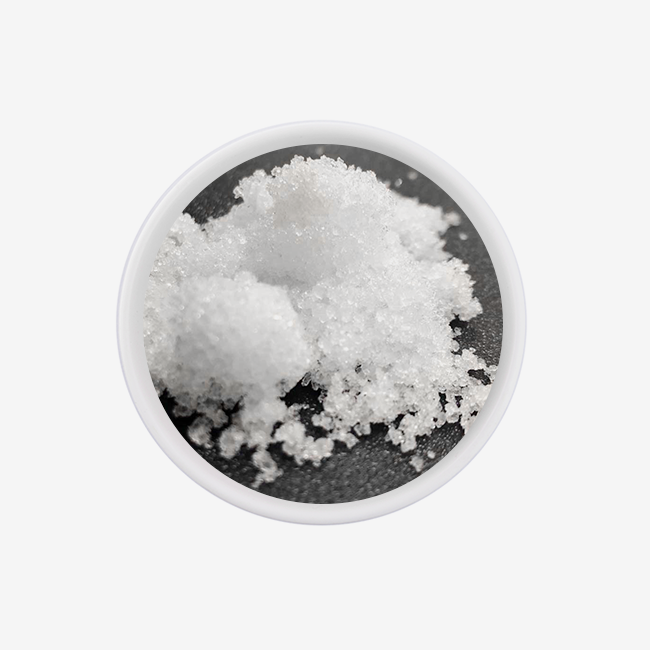 VIEW MOREAcidity Adjustment Sodium Acetate Trihydrate
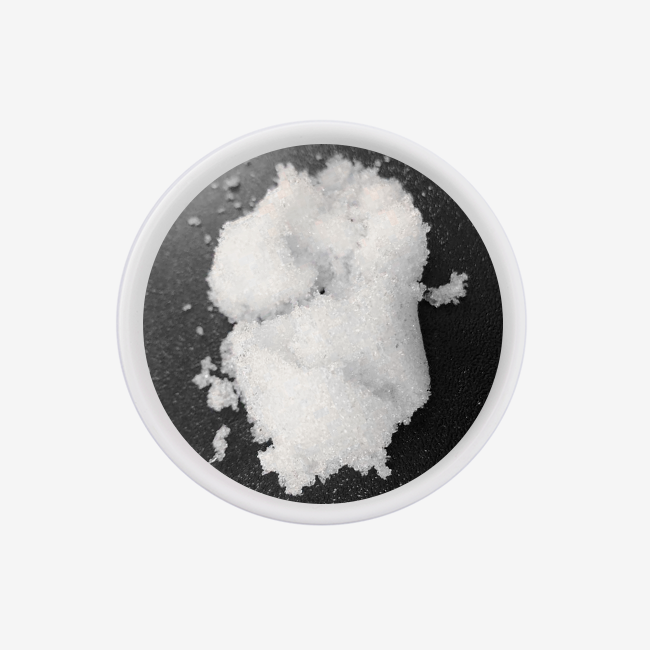 VIEW MOREPharmaceutical Sodium Acetate Trihydrate
Sodium Acetate is CH3COONa — and if you work in industrial manufacturing, you've probably come across it. This unassuming salt pulls triple duty as a buffer, a pH regulator, and a chemical building block. Food plants, textile mills, pharma labs, water treatment facilities — they all lean on it.
What makes it tick? It dissolves like a dream in water and doesn't flinch when process conditions shift. That kind of pH stability is the difference between a batch that passes QC and one that doesn't. The anhydrous stuff (CAS 127-09-3) clocks in at 99% minimum purity. The trihydrate version (CAS 6131-90-4) gives you 58–60% active content. Both have their place.
Let's talk numbers for a second. Water solubility hits 762 g/L at 20°C for the trihydrate. The buffering band sits between pH 4.0 and 6.0 in most setups. And unlike some of the harsher chemicals out there, it's not going to eat through your pipes and tanks.
Grades? Take your pick — FCC, E262(i), USP, or straight industrial. Formats? Powder, granules, or a ready-mixed liquid that you can dose straight into your system.
Where does it actually get used? Municipal plants run it as a carbon source for denitrifying bacteria. Dye houses buffer their baths with it. Tanneries lean on it for pickling pH control. Food manufacturers slip it in for preservation and a touch of flavor. Pharma companies prep buffer solutions. And when winter rolls around, it shows up in concrete antifreeze mixes.
FAQ:
What's the real difference between anhydrous and trihydrate? The anhydrous carries no water weight — more punch per kilo. Trihydrate has three water molecules baked in, which makes it cheaper for the big-volume jobs.
What grade for wastewater? Industrial grade does the job. Got a plant that doesn't want to dissolve powder on-site? We've got 20–30% liquid solutions for direct dosing.
Paperwork? Every shipment comes with COA, MSDS, and food safety certs where applicable. No exceptions.
Bottom line: If you need a sodium acetate source that ships consistent quality batch after batch without breaking the bank, hit up our sales team. Free samples and detailed pricing — just ask.